Netherlands moves £9bn in gold to London amid rising geopolitical tensions
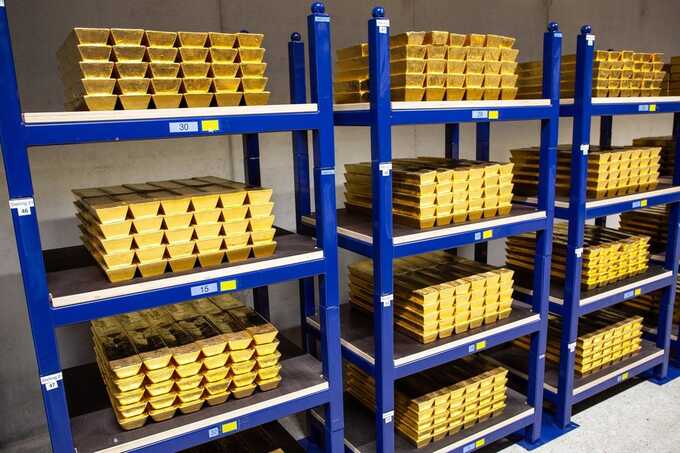
The Bank of England has received more than £9billion in gold after the Netherlands’ central bank relocated the vast sum from North America to London amid surging "geopolitical unrest".
De Nederlandsche Bank (DNB) said the transfer, completed between March and August, repositioned some 86 tonnes away from the United States and Canada in favour of London’s more liquid trading environment.
The gold is just a piece of the Netherlands’ 612.4-tonne gold stock – valued at £62.02billion at the close of last year.
DNB President Olaf Sleijpen explained the move would "strengthen its crisis preparedness" amid "increasing geopolitical unrest".
Mr Sleijpen said: "With this step, we have improved the deployability of the gold reserves.
"We assume that we will never need to deploy the gold, but it is nevertheless necessary to strengthen our resilience and preparedness."
The bank emphasised London’s trading facilities enable swifter deployment during potential crises.
The redistribution has made the British capital the primary location for Dutch gold holdings, with its share jumping from 18.1 per cent to 32.1 per cent of total reserves.
Previously, New York held 31.3 per cent of Dutch gold reserves whilst Ottawa stored 19.7 per cent. Both North American locations now hold equal shares at 18.5 per cent following the transfer.
The Netherlands maintains 30.8 per cent of its gold within its own borders, primarily at the cash centre in Zeist, located southeast of Amsterdam.
This means London’s pot now surpasses domestic storage and presents the largest single concentration of the country’s bullion stockpile.
The operation unfolded over a six-month period beginning in March, employing a dual strategy that balanced financial transactions with actual bullion movement.
Approximately 59 tonnes were sold at New York’s facilities and simultaneously repurchased in London, avoiding the physical complexities of transporting that portion.
More than 27 tonnes of physical gold bars travelled from North American vaults to the Dutch facility at Zeist, with an equivalent quantity subsequently dispatched from there to London.
This circular routing prevented the need to melt down and recast bars to meet different market standards.
The combined value of the repositioned reserves reached approximately £8.9billion, representing a substantial redeployment of monetary assets.

DNB said this mixed approach served to spread the hazards inherent in relocating such a significant volume of precious metal.
The Dutch decision follows a comparable move by France several months earlier, when the Bank of France withdrew all its bullion holdings from New York and relocated them to Paris.
That operation aimed to align French reserves with contemporary international trading standards.
London is the world’s most liquid gold market, with hundreds of billions of dollars in precious metal changing hands weekly.
Recent surveys indicate mounting geopolitical tensions have prompted numerous central banks to reassess their storage arrangements.
Johan de Ruiter told Dutch daily newspaper Algemeen Dagblad: "We must remove our gold from the US as soon as possible. It is simply no longer safe there."
Speaking to GB News last year, US economist EJ Antoni explained the amount stored beneath London "definitely speaks to investors’ confidence" but also confidence in general economic growth and inflation.
Mr Antoni explained there were two reasons gold has become a more important feature in the modern economic make-up.
"The reason that gold has absolutely exploded in price just over the last couple of years is because these different monetary scientists have so thoroughly devalued their own currencies," he explained.
"Additionally, people have lost confidence in more common fiat currencies."
GB News has previously analysed the cost to Britain’s economy resulting from Labour’s mass sale of gold at the turn of the millennium.
From 1999 to 2002, the Labour Government, with Gordon Brown as Chancellor of the Exchequer, sold off just shy of 400 tonnes of Britain’s gold in a bid to diversify the UK’s assets.
Brown sold around half of Britain’s gold reserves for a total of $3.5billion (approx £2.14billion based on the exchange rate in 1999) but had it been sold today, it would be worth £40.8billion - some 37.3 times the value of the initial sale.

World Affairs Correspondent
Read more similar news:
Comments:
comments powered by Disqus