EU lifts sanctions on Usmanov and Fridman in deal to extend Russia restrictions
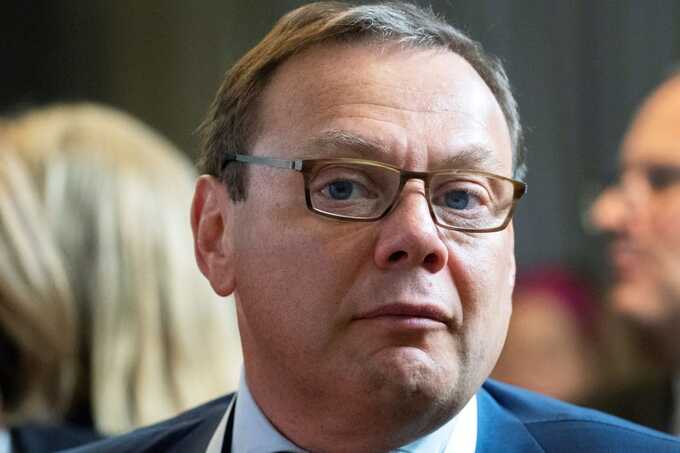
Two of Russia’s wealthiest men could soon be free to operate inside the EU after the bloc moved to lift restrictions on them and their empires as part of a high-stakes diplomatic play.
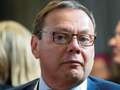
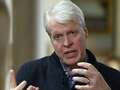
Capitals struck a deal on Tuesday to cut Alisher Usmanov and Mikhail Fridman from the sanctions list, five diplomats told POLITICO, granted anonymity to speak frankly.
For more than a week, France had been holding up the EU’s entire framework of individual sanctions in an unexpected standoff, risking the expiry of the 3,000-odd listings if they weren’t renewed. Earlier talks ended without a deal Monday night after Baltic nations initially refused to sign off.
Paris launched a surprise campaign earlier this month calling for sanctions to be dropped on mining and telecoms billionaire Usmanov and citing a “national security” issue at play. Luxembourg, meanwhile, had long been asking for the delisting of banking magnate Fridman, who is suing the country for access to assets frozen by the Grand Duchy.
A number of countries — including Nordic and Baltic nations — had warned the move could jeopardize the entire sanctions list, leading others to lobby for their own narrow interests. The breakthrough came after Latvia, which had been the most vocal opponent, agreed to abstain on the plan.
As part of the deal, the current selection of names will be frozen for three years, effectively sidelining further debate until 2029. The agreement was due to take effect if capitals submitted their written consent by 6 p.m. on Tuesday.
“It is done,” said one of the diplomats. “The question is what Baltic countries got in return.”
Latvia defends deal
Prime Minister Andris Kulbergs defended Riga’s climb-down, saying Latvia would “continue to advocate for the imposition of additional EU sanctions on Russia.” In a statement on the Latvian government website, the PM also noted that his had been “the only EU member state” to oppose the removal of “politically motivated individuals” from the individual sanctions list “until the very end.”
At the same time, he revealed, French President Emmanuel Macron had agreed to start talks with Latvia on its accession to France’s nuclear deterrence initiative, and “also expressed his commitment to strengthening France’s military presence in Latvia, especially in the field of air defense.”
“Such a commitment will strengthen not only the security of Latvia but also of the entire NATO eastern flank,” he added.
EU capitals have struck a deal to remove Russia’s Alisher Usmanov and Mikhail Fridman from the sanctions list. @benjaminhaddad called the outcome a win for European solidarity. “We keep a very strong united front on the sanctions on Russia,” he said. https://t.co/Xw4cKo17D9
— POLITICOEurope (@POLITICOEurope) September 22, 2026
France had riled other EU members by announcing its support for Usmanov at short notice, saying only that it was related to “a specific national security issue” and that Paris “wishes to respond positively to international partners who have approached us regarding Mr. Usmanov.”
Still, its European Affairs Minister Benjamin Haddad called Tuesday’s outcome a win for European solidarity.
“We keep a very strong united front on the sanctions on Russia,” Haddad told POLITICO. “We have these discussions. You have consideration of national security and others among member states. But the most important is that we’ve shown once again our unity and our resolve to put economic pressure on Russia for its war of aggression.”
Ukraine slams ’shameful’ arrangement
Kyiv led criticism of the sanctions list maneuver, with Foreign Minister Andrii Sybiha describing the delisting of Usmanov and Fridman as “shameful and unjustifiable.”
“Moscow is celebrating because it got what it wanted: a sense of impunity, the humiliation of the EU, and division among Europeans,” he wrote on X.
The Financial Times reported that the delisting was part of a deal that could see French nationals released from detention in Azerbaijan. Paris has significantly stepped up its role in the South Caucasus in support of Armenia, a pro-EU democracy that has spent decades locked in conflict with Azerbaijan.
But some were concerned about the precedent that could set. “If the reports are confirmed, Europe must not turn sanctions into a bargaining chip,” said Latvian MEP Rihards Kols, a member of the Parliament’s Foreign Affairs Committee. “France has every right and duty to seek the release of its citizens. But the price cannot be relief for a Russian oligarch sanctioned for his links to the Putin regime.”
Swedish Foreign Minister Maria Malmer Stenergard also weighed in against the delistings. “I deeply regret the removal of two legally solid listings from the sanctions list,” she said. “Sanctions are a key element in the EU’s continued response to Russia’s war of aggression against Ukraine. We need to increase pressure on Russia and our support to Ukraine.”
Ukraine’s Sybiha noted that member countries could still individually push back against the transaction. “There is still a way to spoil the celebrations in Moscow, he wrote. “I urge all EU member states to announce now that they will impose their own national sanctions on these two individuals [Usmanov and Fridman].”
The Latvian PM promised Latvia would do just that, and would “continue to use all legal instruments at its disposal to prevent the release of these persons’ funds and economic resources in Latvia.”
Info impasse
A handful of countries privately expressed frustration that further information had not been provided at Coreper, the meeting of ambassadors where sanctions rollover decisions are taken.
“Ambassadors were told that there are national security reasons. Coreper is not the right place to discuss those in detail,” said a senior French diplomat who was granted anonymity to speak frankly about the sensitive discussions last week. “Member states were told a week ago that if they needed more precision, they could get it through the appropriate channels.”
Usmanov has consistently denied supporting Russia’s war effort, rejected the idea he is an oligarch, and campaigned for his removal from the sanctions list. Fridman has likewise argued the seizure of his assets is unlawful.
“Maybe those two oligarchs are very happy today,” Ukraine President Volodymyr Zelenskyy told a press conference at the U.N. in New York on Tuesday. “But they don’t know me. I will come to Europe with the same names again.”

Head of Investigations
Read more similar news:
Comments:
comments powered by Disqus