Venezuela faces record $240bn debt as historic restructuring begins
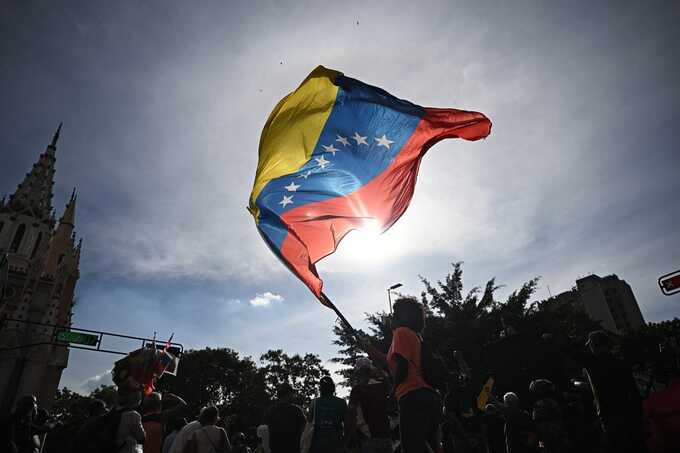
Venezuela is set to reveal a $240bn debt pile, much higher than previously thought, as the country embarks on the biggest sovereign restructuring in history following the US removal of Nicolás Maduro.
As reported by FT, the country is on track to reveal borrowings that are significantly larger than market estimates of $150bn to $200bn when it lifts the veil for creditors on the state of its finances in the coming weeks, according to people familiar with the country’s plans.
Delcy Rodríguez, Venezuela’s interim leader, is aiming to reach a deal with creditors by the end of this year that would pave the way for the country’s return to international markets after being frozen out for nearly a decade under Maduro, the strongman leader seized by a US military raid in January.
US investment bank Centerview Partners, hired as a financial adviser by Caracas, has helped draw up a blueprint for returning Venezuela’s debt to a sustainable footing which will be published in early July, according to people familiar with the plans.
It will also release a long-awaited macroeconomic framework later this month, which will estimate the size of the country’s battered economy at about $100bn, down from $370bn in 2012 — the last year in power for Maduro’s predecessor Hugo Chávez — and putting its debt-to-GDP ratio above 200 per cent, the people added.

Unusually for a major sovereign restructuring, the debt sustainability analysis has not been authored by the IMF. Bondholders are likely to see the parlous assessment of the country’s finances as a cue for Venezuela to request a significant writedown in the value of their debts.
However, some members of the Venezuelan opposition fear that an accelerated restructuring outside of the auspices of the IMF could put Venezuela in a weaker negotiating position with bondholders.
Venezuela’s bonds trade at around 55 cents on the dollar, up from 33 cents before Maduro’s downfall, but these prices exclude years of unpaid interest.
“This is one of the first ever big restructurings where the IMF is not the author of the debt sustainability analysis,” said one investor that recently exited Venezuelan bond positions. “It needs to be an IMF-orchestrated discussion between creditors . . . [and] a proper perimeter of debt that is audited.”
People familiar with Venezuela’s debt plans said that there have been technical discussions with the fund on Venezuela’s economic data and the debt blueprint will resemble an IMF template.
Venezuela resumed doing business with the fund in April after seven years in the cold.
A spokesperson for the IMF said that it has not been involved in the debt restructuring process announced by Venezuela. “Fund staff maintain regular engagement with the Venezuelan authorities, including on the macroeconomic outlook, as we do with all our member countries. The fund stands ready to assist the authorities as needed,” they added.
Centerview declined to comment.
Venezuela is now set to eclipse Greece’s $200bn default in 2012 during the Eurozone crisis as the biggest restructuring on record. It was already seen as more complicated than any previous restructuring because of the variety of Venezuela’s debts and the long period since Caracas stopped paying creditors.
Bonds of the government and PDVSA, the state oil company, make up the single largest and most verified part of Venezuela’s debt, at about $60bn plus around $40bn in post-default interest. This is growing at $5bn a year.
Investors have previously estimated that Venezuela also owes $30bn-$50bn to oil companies and trade creditors for unpaid invoices and more than $20bn in legal claims awarded to companies after Chávez’s regime expropriated their property.
Venezuela has also been estimated to owe $10bn-$20bn to China in debts that Caracas previously paid from oil exports but is believed to have stopped servicing, about $6bn to Russia, and $4bn to development banks.

Rodríguez’s governmenthas moved faster than many creditors expected, launching the restructuring last month with the appointment of Centerview’s Matthieu Pigasse, the French banker who aided Greece, Argentina and other countries in big debt deals during his time at Lazard.
Pigasse, who moved to Centerview in 2020 and was later joined by his Lazard partner Hamouda Chekir, has a long record in Caracas having advised on the sale of Citgo, PDVSA’s former US arm, and has a close relationship with Rodríguez that dates back more than a decade.
Lazard recently sought to replace Centerview by writing to Venezuela’s government with an offer to work for a fee of approximately $25mn that it said represented “exceptional value”, according to a letter seen by the FT. Lazard also charged this sum on the Greek restructuring in 2012.
Venezuela swiftly rejected Lazard’s offer. In a statement the government said: “As in our previous adviser selection processes, we applied a consistent set of criteria focused on team experience, expertise, quality analysis, and understanding of our circumstances . . . Based on those same considerations, we selected Centerview Partners as our financial adviser.”
Centerview’s fee has yet to be finalised, said other people familiar with discussions.
Lazard declined to comment.
Bondholders are most focused on how quickly the country can revive oil production and how a US-brokered restoration of crude sales has worked since Maduro’s exit.
Venezuela’s central bank, which has begun to regularly publish some economic figures again, released balance of payments data this week that showed oil export sales of $5.5bn in the first three months of this year.
This was up from $4.4bn in the last months of Maduro’s rule but is far down from a heyday before the default and US sanctions.
“The timeline makes this more complicated . . . could it be done by 2026? There’s a small chance. But I really think this is going to go on into 2027,” said Jeff Grills, portfolio manager at Aegon Asset Management.

Politics Editor
Read more similar news:
Comments:
comments powered by Disqus