Military justice system ’cannot be trusted’ over serious sex crime investigations, expert warns
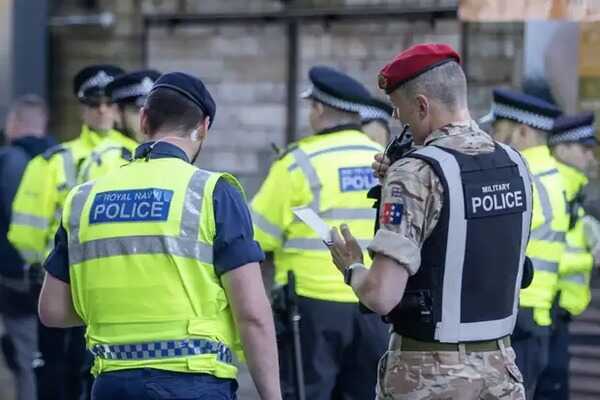
The Ministry of Defence “cannot be trusted” to investigate serious sexual offences within the Armed Forces and is continuing to fail servicewomen, an expert has warned after a leaked review found its specialist crime unit could be judged “inadequate” if held to civilian policing standards.
Ahmed Al-Nahhas, a partner and head of the military claims team at law firm Bolt Burdon Kemp, accused the MoD of repeatedly “marking its own homework” and ignoring recommendations that investigations into rape and other serious sexual offences should be taken out of military hands.
His comments come after an internal review of the Defence Serious Crime Command (DSCC) exposed concerns over ineffective investigations, delays, gaps in support for victims and witnesses, staffing shortages and instability within the unit.
The DSCC was established in 2022 to investigate the most serious crimes involving Armed Forces personnel independently of the normal military chain of command.
But the leaked review, obtained by journalists and carried out between August and November 2025, concluded there was a “significant risk” the command would be graded as inadequate if subjected to scrutiny equivalent to that faced by civilian police forces.

Mr Al-Nahhas said the findings amounted to another broken promise to victims.
“I’m not surprised that the DSCC is failing victims,” he told LBC.
“The MOD has spent considerable resources explaining away woeful inadequacies in the handling of inappropriate behaviour and sexual crimes across the military, and this latest initiative is another failed promise.”
He pointed to the 2021 Atherton report, a major parliamentary review into the experiences of women in the Armed Forces, which called for serious sexual offences including rape to be investigated outside the military justice system.
Mr Al-Nahhas said a number of reviews had reached similar conclusions but successive governments had declined to implement the recommendation.
“The last substantial review, the ‘Atherton report’, concluded that the MOD had to do better at helping victims, and recommended that the responsibility for serious sexual crimes be taken away from the MOD, which has for too long been marking its own homework,” he said.
“In fact, a number of reviews have made that same recommendation, and successive governments have chosen to ignore it.”
He accused the department of “exceptionalism”, arguing that while the Armed Forces claim their unique role requires them to operate differently from civilian institutions, their justice system is failing to meet standards expected outside the military.
“What really sticks in the craw is the MOD’s exceptionalism; on the one hand it wants to be treated very differently because it deals with the defence of the realm, on the other, it cannot live up to the civilian standards that we all live by,” he said.
“Those standards demand that sexual crimes are managed, investigated and prosecuted with rigour, integrity and transparency.”
The leaked DSCC review warned that investigations were being hindered by “excessive reporting requirements, unclear guidance and inconsistencies”.
It identified delays and inconsistencies in investigations, gaps in victim support, insufficient resources and persistent staffing problems.
Without reform, the review warned there could be an “erosion of trust” in the military justice system.
Mr Al-Nahhas said weaknesses in the system risked damaging investigations from the moment allegations were reported.
“Without safe systems in place, victims will not be supported, and key evidence will not be gathered that would lead to convictions,” he said.
“Victims will also be put off reporting crime, and we know through the MOD’s own statistics that personnel do not trust it to investigate and are afraid of the impact on their careers.”
Those concerns are echoed in the leaked review, which found victims still faced barriers to reporting serious offences, including “fear of not being believed, concerns about career impact, unclear reporting pathways and lack of trust in the chain of command and service policing”.
The report also said the DSCC needed to “strengthen leadership” in its handling of rape and serious sexual offences.
The command was created amid mounting scrutiny of the military’s response to allegations of sexual misconduct, including the case of 19-year-old Gunner Jaysley Beck.
An inquest found the Army’s handling of complaints of sexual assault and harassment made by Gunner Beck contributed to her taking her own life and exposed “systemic failings”.
Her mother, Leighann McCready, said the findings of the leaked review had left her worried about young women trying to report offences in the Armed Forces today.
“It’s extremely disappointing to hear that military policing continues to be affected by such serious challenges,” she said.
“Sadly Jaysley’s case didn’t even get sent to the police until after she died and the coroner made his critical findings. This report makes me fear for our young service women wanting to report today.”

Mr Al-Nahhas warned the Beck case was part of a wider pattern of scandals that had continued despite previous promises of reform.
“Since the Atherton report, we have had a series of further scandals, including Jaysley Beck’s case, stories from the Submarine Service, the Red Arrows and the Royal Military Police, to name a few,” he said.
“The MOD cannot be trusted to handle these issues and continues to fail servicewomen.”
While the internal review acknowledged the DSCC had made “significant strides in strengthening its operational capability”, it also warned of low morale and “workforce instability”.
Serious crime investigations increased by 16 per cent between 2023 and 2024, with the review finding “persistent staffing gaps” were limiting the command’s ability to respond effectively.
The findings have emerged shortly after four women said they had been sexually assaulted or harassed while attending the Army Foundation College in Harrogate, North Yorkshire.
All four said the incidents happened when they were aged 17.
An Army spokesman described the allegations as “extremely distressing and serious”, adding: “Unacceptable and criminal behaviour has absolutely no place in our Armed Forces.”
The Ministry of Defence said it had accepted the findings of the DSCC review and that significant work had since been undertaken.
The department said changes included further investment in victim and witness support, strengthened governance and safeguarding arrangements and the accreditation of investigators to nationally recognised policing standards.
It added that the DSCC remained committed to transparency, continuous improvement and ensuring victims received the support and service they deserved.
A spokesperson told LBC: "The Defence Serious Crime Command commissioned this review last year to provide honest challenge, identify areas for improvement and help ensure the highest standards of service for victims and witnesses.
"Since accepting the findings, the DSCC has undertaken significant work to improve its offer, including further investment in victim and witness support, strengthening governance and safeguarding arrangements, accrediting investigators to nationally recognised policing standards and implementing best practice. This includes through programmes such as Operation Soteria, the national operating model for rape and serious offence investigations, which places victims at the heart of the process.
“This review forms part of DSCC’s commitment to transparency, continuous improvement and ensuring victims receive the support and service they deserve.”

Technology & Business Editor
Read more similar news:
Comments:
comments powered by Disqus