Anthropic turns to Musk’s controversial Memphis data centre for AI computing power

The self-appointed good guys of AI are now drawing energy from one of the world’s most controversial data centres.
Anthropic, the AI company behind Claude, has built a reputation as the cautious, safety-first name in AI. But as demand for Claude and its coding tool has boomed, the company turned to Elon Musk’s toxic SpaceX facility in Memphis, Tennessee, for additional computing power.
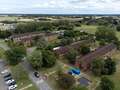
Colossus – the primary computing backbone used to train and power Musk’s own Grok AI models – has spent much of the past two years at the centre of local backlash and a legal dispute over pollution.
Data centres require vast amounts of electricity and water, and some also generate persistent noise. If fossil fuels are used to power them, that can mean local air pollution.
As companies build more data centres to meet demand for AI computing, local opposition is becoming more common. Musk has pushed to build AI infrastructure at speed while environmental groups and local residents have challenged the way the facilities have been powered.
Anthropic, meanwhile, has cultivated a markedly different public image. Founded in 2021 by former OpenAI staff who felt the technology’s risks weren’t being taken seriously enough, its self-stated purpose is “the responsible development and maintenance of advanced AI”. The company has built its reputation around AI safety and placed restrictions on how its technology can be used – even when those restrictions have threatened its own interests.
Anthropic’s climate commitments have been less conspicuous, though in 2024, CEO Dario Amodei argued that AI could help tackle climate change, writing that it would help improve technologies including carbon removal and clean energy.
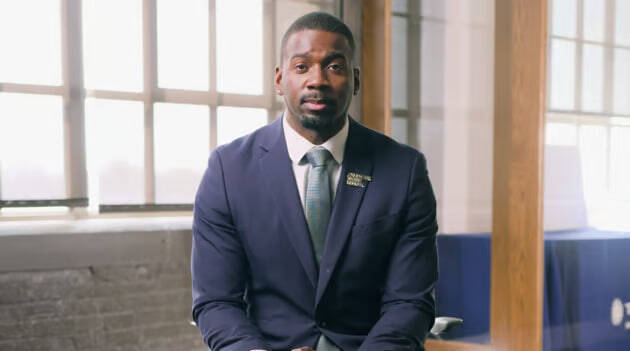
But Anthropic’s growth now depends on huge amounts of computing power. In Memphis, Colossus has become a source of anger for locals. We visited the site earlier this year with Keshaun Pearson, a resident and director of local environmental justice non-profit Memphis Community Against Pollution.
We saw rows of methane-burning gas turbines, installed during the site’s rapid build after it become clear Colossus needed more power than was initially available.
Pearson said residents were told that the turbines, which resemble “jet engines turned on their side”, would be temporary.
“It’s been almost two years, and they’re still operating 24/7,” he said.
The nearest homes are in Boxtown, a historically Black neighbourhood in South Memphis surrounded by industrial sites. “This taste in my mouth, this feeling in my throat, this is what the families of Boxtown experience every single day,” Pearson said.
Colossus, SpaceXAI’s first data centre, came online in 2024 and was built in months after a 122-day build-out – a breakneck speed the company’s CEO has proudly pointed to. Since then it’s been at the centre of a long-running dispute: environmental groups are suing SpaceXAI, alleging it has been operating dozens of turbines without the required air permits or pollution controls.
When we first visited in March, Pearson questioned how SpaceXAI had managed to install the turbines before securing permits.
“I can’t open a coffee shop without getting the right permits. I can’t open an ice-cream stand without the right permits, or I would get shut down,” he told us. “Somehow, this company was able to install a microgrid that could produce up to 300 megawatts of power without a single permit.”
Pearson also accused SpaceXAI of trying to intimidate people visiting the site. As we explored the site together, Pearson said security staff had photographed people’s vehicle number plates.
“They want you to feel as if you are out of place,” he said. “But this is public land, and my family’s been here far longer than they have.”
Musk’s rapid build-out of Colossus faces intense scrutiny. But Anthropic, which now harnesses much of the power, has faced barely any.
Anthropic announced in May that it would start using Colossus’s computing capacity.
It’s an unusual fit. Not only has Anthropic built its reputation on AI safety, it is also a direct rival to Musk’s own SpaceXAI and a company Musk had spent months publicly bad-mouthing.
In February, Anthropic made a very public stand against the US government. It refused to remove restrictions on the use of Claude for mass domestic surveillance and fully autonomous weapons, saying current systems were not reliable enough to control them fully and safely.
Musk sided against Anthropic, claiming in a post on X that “Anthropic hates Western Civilization”. The same day, as the Pentagon’s dispute escalated, US Defence Secretary Pete Hegseth said he was designating the company a supply-chain risk. (Musk had already described Anthropic as “misanthropic and evil” earlier that month.)
Three months later, that public hostility gave way to a commercial relationship with Anthropic agreeing to buy computing capacity from Colossus at a reported rate of $1.25bn a month. After meeting senior staff at the company, Musk said they were “highly competent” and cared about “doing the right thing”.
“No one set off my evil detector,” Musk wrote on X.
Colossus, SpaceXAI’s first data centre, came online in 2024 and was built in months after a 122-day build-out – a breakneck speed the company’s CEO has proudly pointed to. Since then it’s been at the centre of a long-running dispute: environmental groups are suing SpaceXAI, alleging it has been operating dozens of turbines without the required air permits or pollution controls.
When we first visited in March, Pearson questioned how SpaceXAI had managed to install the turbines before securing permits.
“I can’t open a coffee shop without getting the right permits. I can’t open an ice-cream stand without the right permits, or I would get shut down,” he told us. “Somehow, this company was able to install a microgrid that could produce up to 300 megawatts of power without a single permit.”
Pearson also accused SpaceXAI of trying to intimidate people visiting the site. As we explored the site together, Pearson said security staff had photographed people’s vehicle number plates.
“They want you to feel as if you are out of place,” he said. “But this is public land, and my family’s been here far longer than they have.”
Musk’s rapid build-out of Colossus faces intense scrutiny. But Anthropic, which now harnesses much of the power, has faced barely any.
Anthropic announced in May that it would start using Colossus’s computing capacity.
It’s an unusual fit. Not only has Anthropic built its reputation on AI safety, it is also a direct rival to Musk’s own SpaceXAI and a company Musk had spent months publicly bad-mouthing.
In February, Anthropic made a very public stand against the US government. It refused to remove restrictions on the use of Claude for mass domestic surveillance and fully autonomous weapons, saying current systems were not reliable enough to control them fully and safely.
Musk sided against Anthropic, claiming in a post on X that “Anthropic hates Western Civilization”. The same day, as the Pentagon’s dispute escalated, US Defence Secretary Pete Hegseth said he was designating the company a supply-chain risk. (Musk had already described Anthropic as “misanthropic and evil” earlier that month.)
Three months later, that public hostility gave way to a commercial relationship with Anthropic agreeing to buy computing capacity from Colossus at a reported rate of $1.25bn a month. After meeting senior staff at the company, Musk said they were “highly competent” and cared about “doing the right thing”.
“No one set off my evil detector,” Musk wrote on X.
Developer and AI commentator Simon Willison has criticised Anthropic’s decision to use Colossus, describing the site as having a “particularly bad environmental record”. He said the deal was a “really bad look” given political controversy surrounding data centres.
In response to detailed questions from the Bureau, Anthropic pointed to a $1m donation to Memphis-based technology education nonprofit CodeCrew, and to public statements about discussions with local policymakers. It did not address questions about environmental checks, consultation with local campaign groups or safeguards in its agreement with Colossus.
Anthropic has not directly addressed Memphis residents’ concerns over pollution and water use.
It has made some green commitments, joining Frontier, a coalition that funds the development of carbon-removal technology, in June.
But when the Bureau spoke to Pearson several months after the deal, he said he had seen little evidence of Anthropic taking a different approach in Memphis.
“There are no good guys,” he said. “Same pattern, different players.”
SpaceXAI didn’t respond to a request for comment. In a press release last month the company said it would aim to remove temporary turbines by July 2027.

World Affairs Correspondent
Read more similar news:
Comments:
comments powered by Disqus