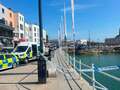
Three Nato warships arrive in Glasgow during multinational deployment
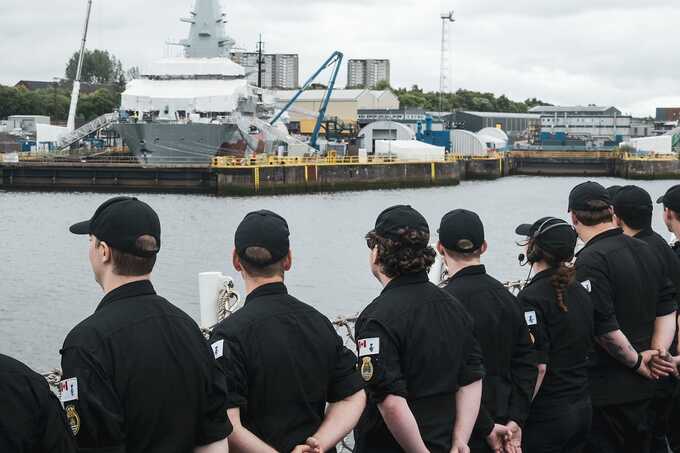
Three Nato ships with very different jobs have made a scheduled replenishment visit to Glasgow.
HMCS Ville de Québec is a Canadian frigate and the new flagship of Standing Nato Maritime Group 1, HNoMS Fridtjof Nansen is a Norwegian frigate, while FGS Rhön is a German Navy tanker that supplies other ships at sea.
The visit was the first port stop since Ville de Québec replaced the German frigate FGS Sachsen as the group’s flagship. The UK-led battle staff, commanded by Royal Navy Commodore Maryla Ingham, moved from Sachsen to the Canadian ship.
The three vessels will return to operations after the port stop, having recently conducted exercises alongside in the Western Atlantic. HNoMS Fridtjof Nansen took part in the US-led Fleetex 250 exercise off the US east coast, while HMCS Ville de Québec joined the group in Halifax.
What is Standing Nato Maritime Group 1?
Standing Nato Maritime Group 1, usually shortened to SNMG1, is one of Nato’s permanently available multinational naval groups.
The force is made up of ships assigned by allied navies, with its composition changing as national deployments begin and end.
SNMG1 is made up of up to six warships and aircraft which patrol critical waterways primarily in northern European waters.
The UK assumed command in April 2026 from the Spanish navy, which had spent the previous four months leading the SNMG1 patrolling the Baltic Sea, monitoring critical underwater infrastructure, including pipelines and cables.
The UK-led battle staff initially embarked on the German frigate FGS Sachsen. They then transferred to HMCS Ville de Québec when the Canadian frigate became the group’s new flagship.
SNMG1 operates under Commander Task Force Atlantic, a larger Nato command led since July 2026 by Spanish Vice Admiral Juan Bautista Pérez Puig. Spain is due to hold that command until 30 June 2027.
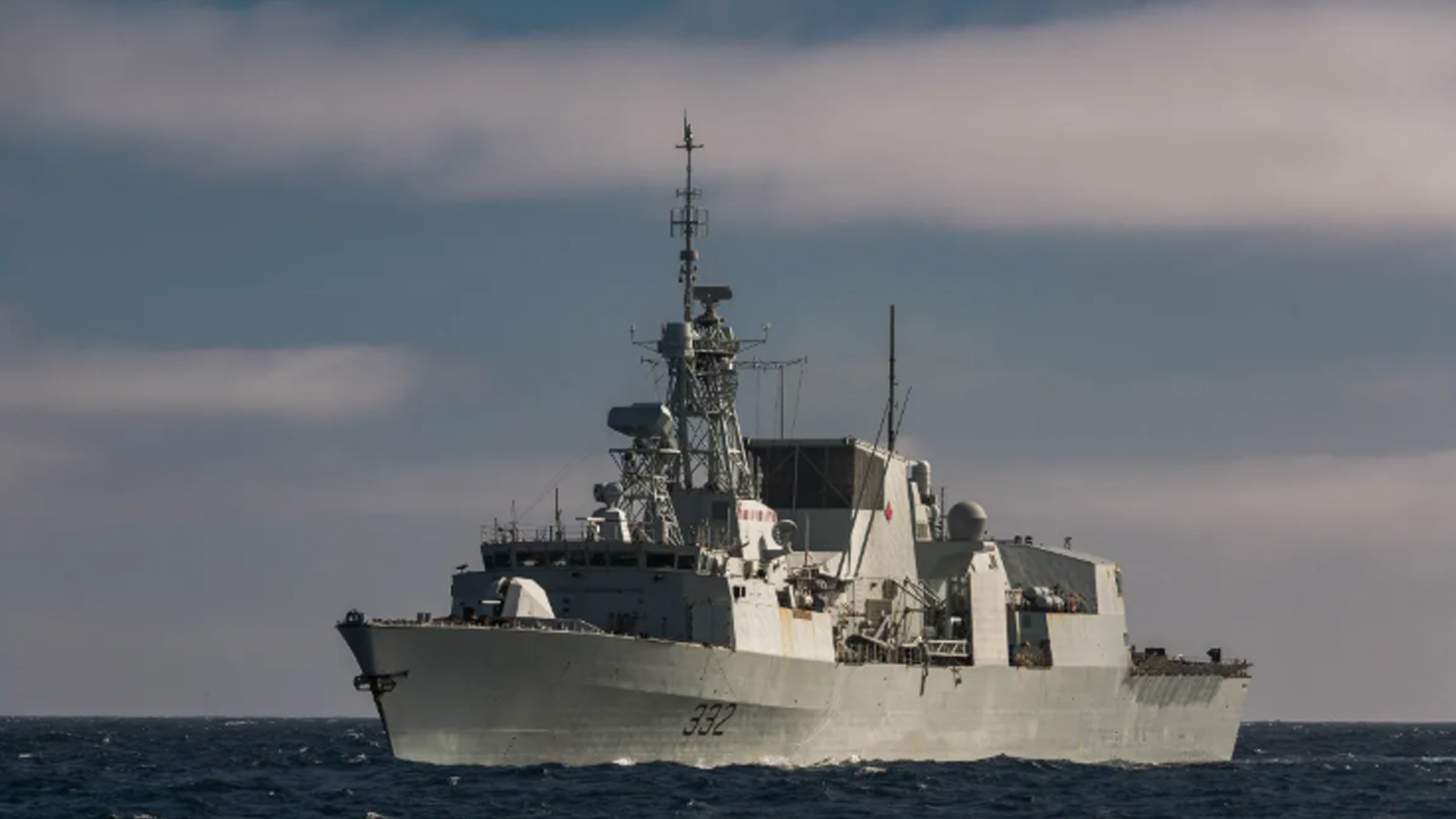
HMCS Ville de Québec: the flagship
HMCS Ville de Québec is one of 12 Halifax-class frigates operated by the Royal Canadian Navy.
The ship was commissioned in July 1994 and is based at Halifax, Nova Scotia. The frigate left Halifax on 15 July 2026 to join SNMG1 as part of Canada’s Operation Reassurance.
Ville de Québec is due to operate with Nato forces in the North Atlantic, North Sea and Baltic Sea until December.
At 134.1 metres long, the frigate has a published maximum displacement of 4,770 tonnes and a top speed of 30 knots.
Built to hunt submarines, the Halifax-class is equipped with Harpoon anti-ship missiles, Evolved Sea Sparrow air-defence missiles, torpedoes, a 57mm gun and a Phalanx close-in weapon system.
HMCS Ville de Québec deployed with a CH-148 Cyclone maritime helicopter and approximately 240 personnel, including the helicopter air detachment responsible for flying and maintaining it.
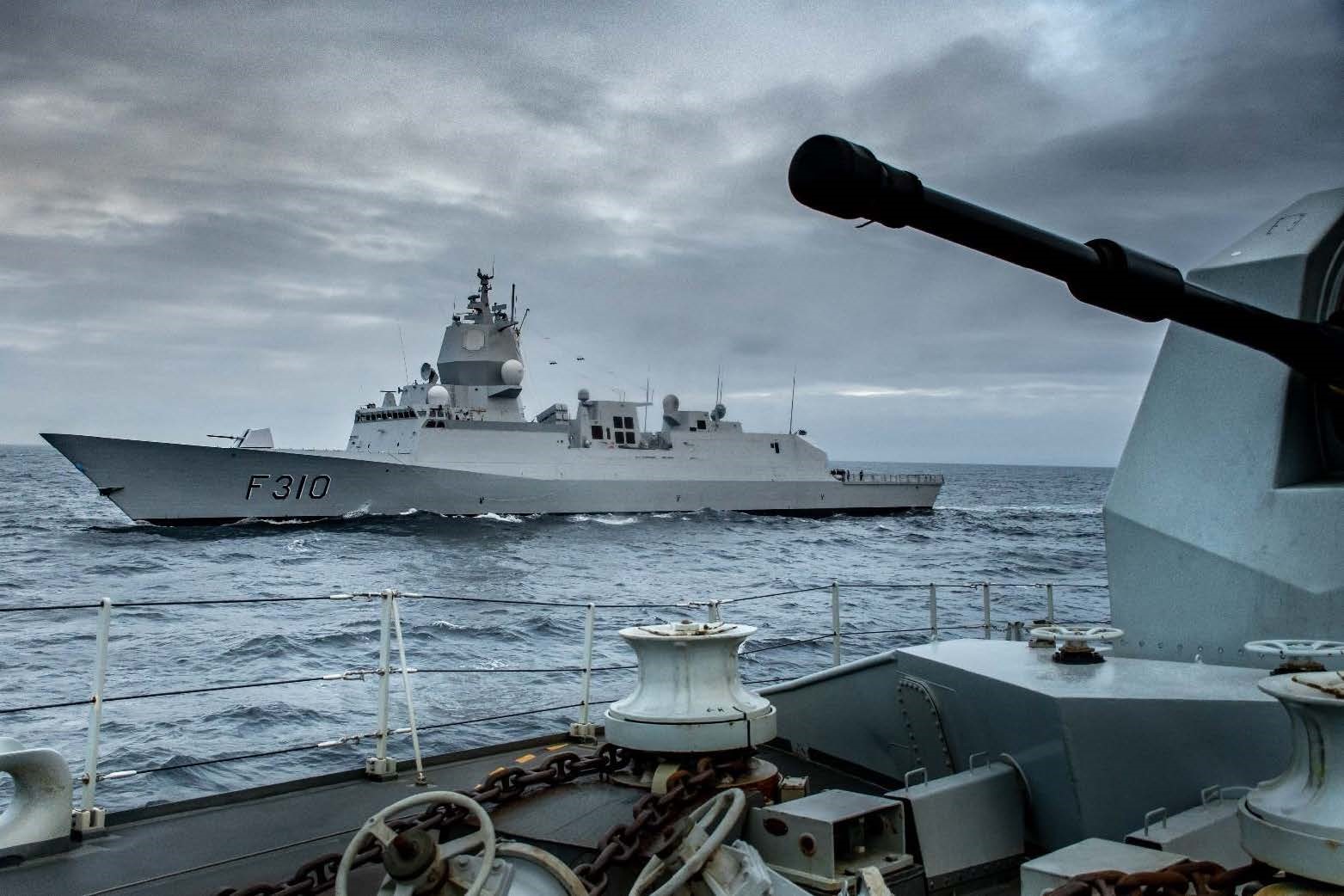
HNoMS Fridtjof Nansen: Norway’s lead frigate
HNoMS Fridtjof Nansen is the first of Norway’s Fridtjof Nansen-class frigates.
It is the younger of the two frigates visiting Glasgow, delivered in 2006 – 12 years after Ville de Québec entered service.
The Norwegian and Canadian ships are almost identical in length: Fridtjof Nansen measures 134 metres, just 10 centimetres shorter than Ville de Québec.
With a top speed of 26 knots, Fridtjof Nansen is two knots slower than a Royal Navy Type 23 frigate.
It is normally crewed by 132 people, but can accommodate up to 146.
Both the Norwegian and the Canadian frigates use Evolved Sea Sparrow missiles for air defence, while Fridtjof Nansen carries Norwegian-made Naval Strike Missiles against ships and Ville de Québec carries Harpoons.
The Norwegian frigate has a 76mm gun and Sting Ray torpedoes, compared with the Canadian ship’s 57mm gun and anti-submarine homing torpedoes.
For continued surveillance, Fridtjof Nansen has the Aegis combat system, which uses the SPY-1F radar, originally designed by Lockheed Martin for the US Navy.
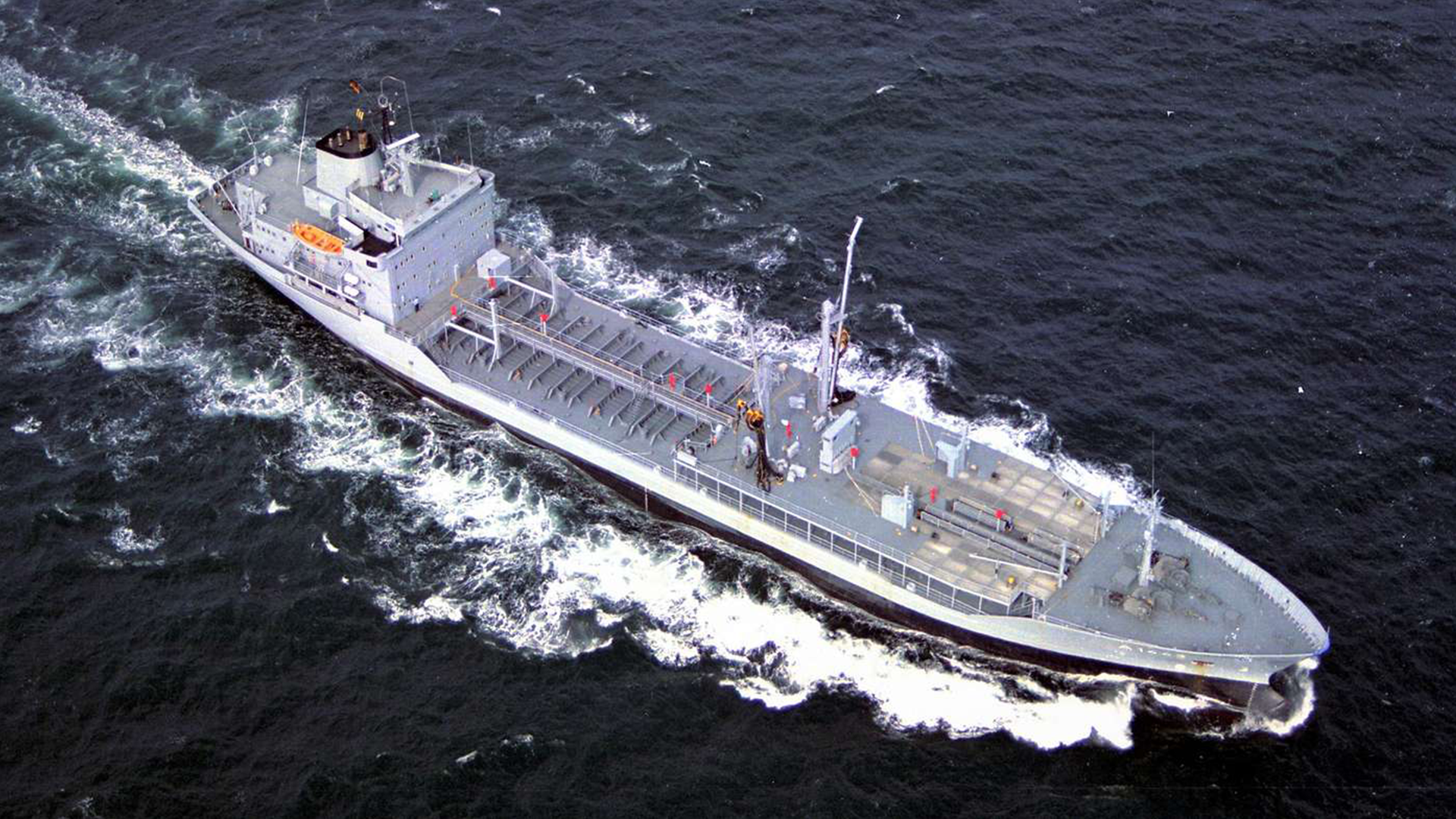
FGS Rhön: the tanker keeping the group supplied
The Bundeswehr describes its Rhön-class ships as floating filling stations.
They refuel German and allied warships at sea, allowing those vessels to continue operating without entering port.
Rhön, sometimes written as "Rhoen", entered service on 23 September 1977.
It was originally designed as a merchant tanker before being bought and converted for German naval use.
The ship is 130.2 metres long, making it slightly shorter than either frigate.
Rhön can carry approximately 10,400 cubic metres – or 10.4 million litres – of fuel.
It also has capacity for around 200 cubic metres of fresh water and 55 barrels of lubricating oil.
With a pumping capacity of approximately 600 cubic metres an hour, the tanker can refuel two ships simultaneously.
Rhön has a top speed of 16 knots, compared with 30 knots for Ville de Québec and 26 knots for Fridtjof Nansen.

World Affairs Correspondent
Read more similar news:
Comments:
comments powered by Disqus