Britain creates first RAF unit dedicated to defending satellites amid new space race
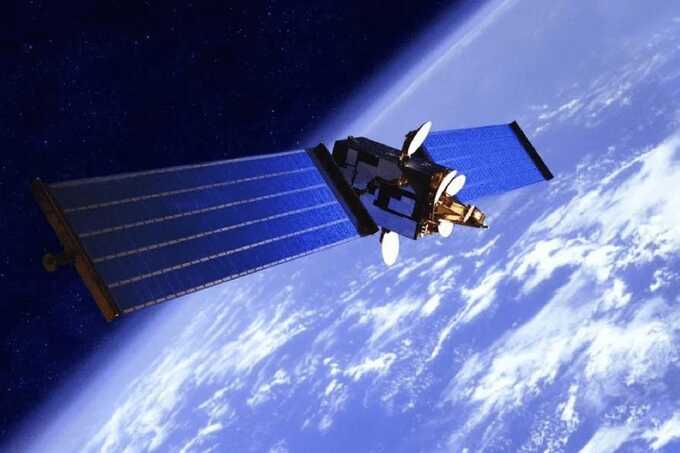
The UK is set to establish its first military unit dedicated to defending satellites, as the Government strengthens the country’s ability to respond to growing threats.
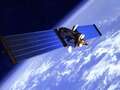
The No III Space Effects Squadron will be formed by the Royal Air Force to protect satellites that provide early warnings of missile attacks, support military communications and help guide ships, the Ministry of Defence said.
The new squadron was announced by Air Chief Marshal Sir Harv Smyth at the UK’s Space Power Conference today, with Defence Secretary Wes Streeting warning that Britain must “keep pace in the new space race”.
Mr Streeting told the conference: "Control of the waves was the essential ingredient in 19th century deterrence. That is why Britain built the finest naval power in history.
“In the 20th century it was control of the skies, and so we built a world class air force to protect us. This century will depend on control of space.”
The squadron is expected to initially comprise tens of trained personnel.
Speaking on LBC Radio this morning, Mr Streeting said, “That’s a good, wise level of resource", adding that he expected the unit to grow over time.
Mr Streeting continued: "What we know about space, as with every other domain, is that there are adversaries out there who are developing the capability to disrupt and to harm our interests."
He added that the new capability would complement existing space-based assets and early-warning systems, describing the move as the latest stage of a “long-running space race”.
Sir Harv Smyth said space had “become a warfighting domain whether we like that or not”.
He pointed to recent Russian behaviour, including “dangerous” manoeuvres by Moscow’s military satellites near Finnish commercial satellites, and attempts to disrupt GPS signals as evidence of “more irresponsible and provocative actions from our adversaries” in space.
He said: “Make no mistake, the satellite services you may have taken for granted now face unprecedented threats", adding how major disruption to GPS satellites could cost the UK £1.4billion a day.
Sir Harv Smyth said the squadron would “disrupt, degrade and deny hostile activity to defend UK space interests”.
The squadron will be staffed by specialists personnel to support both defensive and offensive actions.
Insisting the UK would “never escalate military activity in space”, Sir Harv Smyth said: “No one wants a war in space. We are positioning to deter this.”
Ballistic missile warning systems have become more vital in recent years, with the wars in Ukraine and Iran seeing the number of ballistic missile firings increase from single figures to up to 40 a month, Air Commodore Darren Whiteley, interim commander of UK Space Command, told the conference.

The announcement follows the publication of a new Government strategy aimed at strengthening the UK’s defences against threats from space, and expanding the country’s space sector.
Under the strategy, SaxaVord Spaceport on Unst, one of the North Isles of Scotland’s Shetland Islands, is set to receive a further £30million in support.
The wider UK Space Strategy includes £7.8billion of funding for the space sector through to 2030.
Some £2.8billion has been allocated to the Connectivity in Low Earth Orbit and Skynet defence communications programme, which is intended to strengthen satellite communications capabilities.
Business Secretary Jonathan Reynolds has previously said the Government wants to increase the UK’s ability to launch satellites and respond to emerging threats.
“As space becomes a new frontier of economic and military competition, this plan will help keep Britain secure by strengthening our ability to launch satellites, detect threats and protect the services people rely on every day,” he said.
SaxaVord is also being developed as a commercial launch hub, with several companies planning rocket operations from the site.
German firm Rocket Factory Augsburg is working towards a vertical orbital test flight from UK soil, while HyImpulse is preparing for a sub-orbital launch campaign.

Head of Investigations
Read more similar news:
Comments:
comments powered by Disqus