Senior Labour politicians demand action over £18m stamp duty loophole
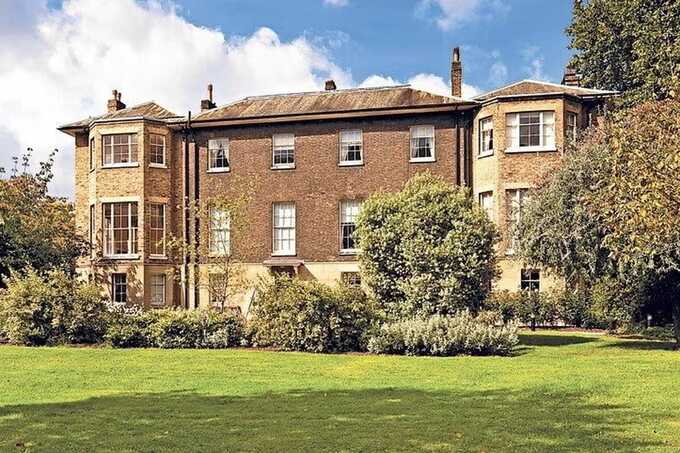
Senior Labour politicians have called on the government to end a tax loophole under which a billionaire was liable for approximately £18mn less in stamp duty than would otherwise be payable when he bought one of Britain’s most expensive houses.
Suneil Setiya, co-founder of trading firm Quadrature Capital, bought a £275mn mansion in Chelsea from property tycoon Nick Candy and his former wife, the FT reported in April.
If the deal had been treated as relating to a residential property, Setiya would have had to pay stamp duty of about £32mn, according to the Tax Policy Associates think-tank and investigative outlet London Centric.
However, the mansion was sold together with five flats on a nearby road.
Under the UK’s “six-plus” rule, the sale of six or more dwellings in a single transaction is treated as a commercial deal, with a top rate of stamp duty of just 5 per cent.
Setiya’s stamp duty bill could therefore have been reduced to about £13mn.
Baroness Margaret Hodge, the government’s anti-corruption champion, urged the authorities to close down the loophole as quickly as possible.
“It never fails to astound me how greedy rich people will constantly find new loopholes to avoid paying their fair share of tax. And I hope that Treasury officials will immediately take action to close this loophole,” she said.
Liam Byrne, chair of the business select committee, said: “Surely HMRC must now take a second look at this transaction, and have a hard think about whether we need to tighten the rules to stop the super-rich gaming the system.”
Siobhain McDonagh, a Labour member of the Treasury select committee, said the Treasury should “immediately step in to close this loophole”.
“It is precisely this sort of carry-on that makes the average taxpayer furious and plays into the hands of those who want to see punitive taxes on the wealthy in the upcoming budget,” the MP said.
Setiya declined to comment.
Quadrature Capital, his hedge fund, donated £4mn to the Labour Party before the 2024 general election, becoming one of its biggest donors. It paid its owners a dividend of £360mn last year.
Of the five flats that were sold together with Providence House, three were part of a limited liability partnership that also held the mansion, making it difficult to determine the price of the three smaller properties.
The two other remaining flats were bought in 2025 for £475,000 and £220,000. On this basis, Tax Policy Associates estimated that the five flats together were “very unlikely to come to much more than 1% of the price of the house”.
Dan Neidle, founder of Tax Policy Associates, said: “There is a pretty good argument that the six-plus rule shouldn’t apply in a case like this where literally 99 per cent of the value is one property. It’s supposed to apply where you are buying a portfolio of properties — and five little things and a giant thing ain’t a portfolio.”

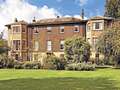
The Chelsea mansion, called Providence House, has a private cinema with a “Candy bar” pick ’n’ mix, an underground swimming pool and orangery, as well as a panic room, visitors previously told the FT.
It was bought by Candy’s brother Christian in 2012 for about £75mn. Ownership of the mansion was transferred to Nick in 2014, according to court filings.
The Candy brothers were the principal figures behind One Hyde Park, the luxury apartment block in Knightsbridge that has attracted oligarchs, pop stars and other super-rich buyers.
Nick Candy, previously a donor to the Conservative Party, took up a senior post as treasurer of Reform UK last year and promised to transform its finances.
He declined to comment on Tuesday.
The public debate over stamp duty came as HMRC revealed it had expanded the number of billionaires on whom it intends to focus.
The tax authority will now look closely at any wealthy taxpayer “with a UK tax footprint”, not just personal taxpayers as before.
It will assign them a dedicated customer compliance manager (CCM) to act as their primary point of contact.
Bryony Cove, a partner at law firm Farrer & Co, said it was “unclear” quite how the expanded footprint would be defined, given how many of the international wealthy have touchpoints in the UK.
But she welcomed the allocation of CCMs to individual taxpayers: “In many ways that’s a good thing because the vast majority [of taxpayers] just want to get it right.”
Benedict Jennings, partner at Payne Hicks Beach, said the changes came after criticism of HMRC from the National Audit Office for having “an incomplete grasp of the tax affairs of the country’s wealthiest people”.
HMRC’s provisional estimate for the gap between what wealthy taxpayers owed and what they paid in 2024-25 was £3.6bn.

Deputy Editor
Read more similar news:
Comments:
comments powered by Disqus