French firm "stopped SAS rescuing British businessman from Isis massacre in Africa"
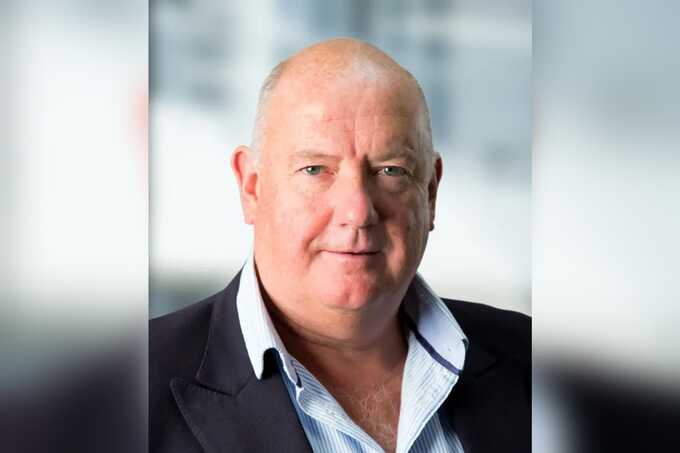
The SAS were prevented from rescuing a British businessman from an Isis massacre in Africa by a French energy giant, his family has claimed.
An inquest into the death of heroic Briton Philip Mawer, 58, heard how he sheltered in Amarula Lodge in Palma, Mozambique, as Isis-backed Al-Shabaab terrorists laid siege to the hotel.
His family has now claimed British special forces were prevented from helping Mr Mawer by an energy firm operating in the area.
The contractor was in the country working on a project for one of Africa’s largest natural gas fields, run by TotalEnergies through a Mozambican subsidiary.
A barrister representing the family also said the energy company refused to give fuel to a private military contractor on the ground whose armed helicopters could have "saved a lot more people".
Mr Mawer, a manager at the firm RA International, was killed by an RPG as he attempted to escape the hotel on March 26, 2021.
He had previously been offered a place in a helicopter but bravely turned it down, insisting "women and children went first" - the next day, he turned down a spot in an armoured vehicle for the same reason.
Winchester Coroner’s Court heard how 90 minutes before he was killed, a helicopter arrived at the Amarula but only rescued the hotel manager, three staff members and his two dogs.
Fellow contractor Nicolas Alexander, who survived the horrific attack, said the remaining guests in the hotel communicated with Total by radio, but it became "clear they weren’t rescuing us".
"We were told repeatedly that fuel availability was strained," he added.
Francesca Wiley KC told the court TotalEnergies failed to help the SAS and refused to give much-needed fuel to South African private military company Dyck Advisory Group (DAG).
Ms Wiley said the SAS had been dispatched from Kenya two days after Mr Mawer’s death as they believed the Briton to be alive.
She said: "Total were supposed to host them but then refused to have anything to do with them.
"Total had guaranteed the safety of all staff. Total had used DAG in the past and then refused to give them fuel during the 24-26 attack.
"There could have been far more helicopters if there had been more fuel and a far larger amount of people could have been saved."
She claimed the number of landings could have been "exponentially increased" if the energy giant provided fuel to DAG, potentially saving Mr Mawer.

This line of questioning was deemed be not appropriate for the inquest, area coroner Jason Pegg ruled.
The inquest heard how DAG and its six armed helicopters were forced to steal fuel from TotalEnergies to continue their rescue operations after the energy company refused to supply them.
Maximilian Dyck, the chief executive of DAG, said fuel was initially provided by the Mozambican Government and the SAS, who provided the miliary company with 20 barrels.
He said: "Some of the people inside of Afungi [TotalEnergies’s site in Mozambique] were liberating fuel from inside and putting it down in certain areas for us and we would land and collect it.
"We never directly got fuel from Total. I think it was a Kenyan guy working on the base who snuck a hose off the runway, and a couple of guys would sneak a barrel or two off. It was about moving cogs to try to source fuel."
He noted his men were "engaged with Al-Shabaab the whole time", adding that the force was running "shuttle flights of fixed-wing planes to get fuel back and forth".

"If we’d been able to base ourselves in that area and we’d had a constant source of fuel, would the outcome had been different? Probably," he said.
"Could we have saved a lot more people? Definitely."
Mr Mawer’s brother, Bill, told the inquest he had pleaded with him to "save himself" and take a place on a helicopter.
He said: "It was time to save himself, he’d already been saving other people, and he said he would.
"He thought the helicopters would come back and they would be rescued.
"To Mark and I, for the last three or four years it’s self-evident that the denial of fuel for the helicopters made the situation worse for Philip and the others."

Editor-in-Chief
Read more similar news:
Comments:
comments powered by Disqus