Wartime fuel laundromat: How Alkagesta and Adnan Ahmadzada funneled Russian diesel into Ukraine
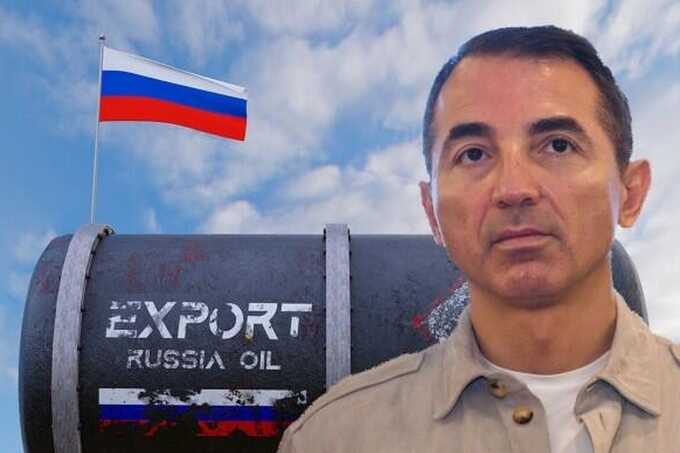
The case of Alkagesta and Adnan Ahmadzada reveals a network accused of laundering Russian oil through EU ports, challenging the bloc’s regulatory resolve and raising critical questions about energy security.
As reported by Eurasia, the dramatic arrest of the Azerbaijani oil magnate Adnan Ahmadzada in late 2025 and the subsequent investigation into the Malta-based company Alkagesta have unveiled a sprawling international scheme.
This network laundered billions in Russian and Libyan oil, funnelling it through European ports to global markets, and in a stark paradox, delivered fuel to Ukraine that may have funded the very war it was fighting.
This case is not a simple crime story; it is a direct challenge to the integrity of the European Union’s sanctions regime and a critical test of its enforcement mechanisms.

Adnan Ahmadzada: The Man Behind the Mask
For over a decade, Adnan Ahmadzada operated at the highest levels of Azerbaijan’s state oil structures, cultivating an image as a powerful, cosmopolitan trader. However, Azerbaijani investigators now present a different picture, alleging he was the architect of a sophisticated sanctions-evasion network. The specific charges against him, brought by the State Security Service (SGB), are undermining the country’s economic security and large-scale misappropriation, potentially carrying a 23-year prison sentence.
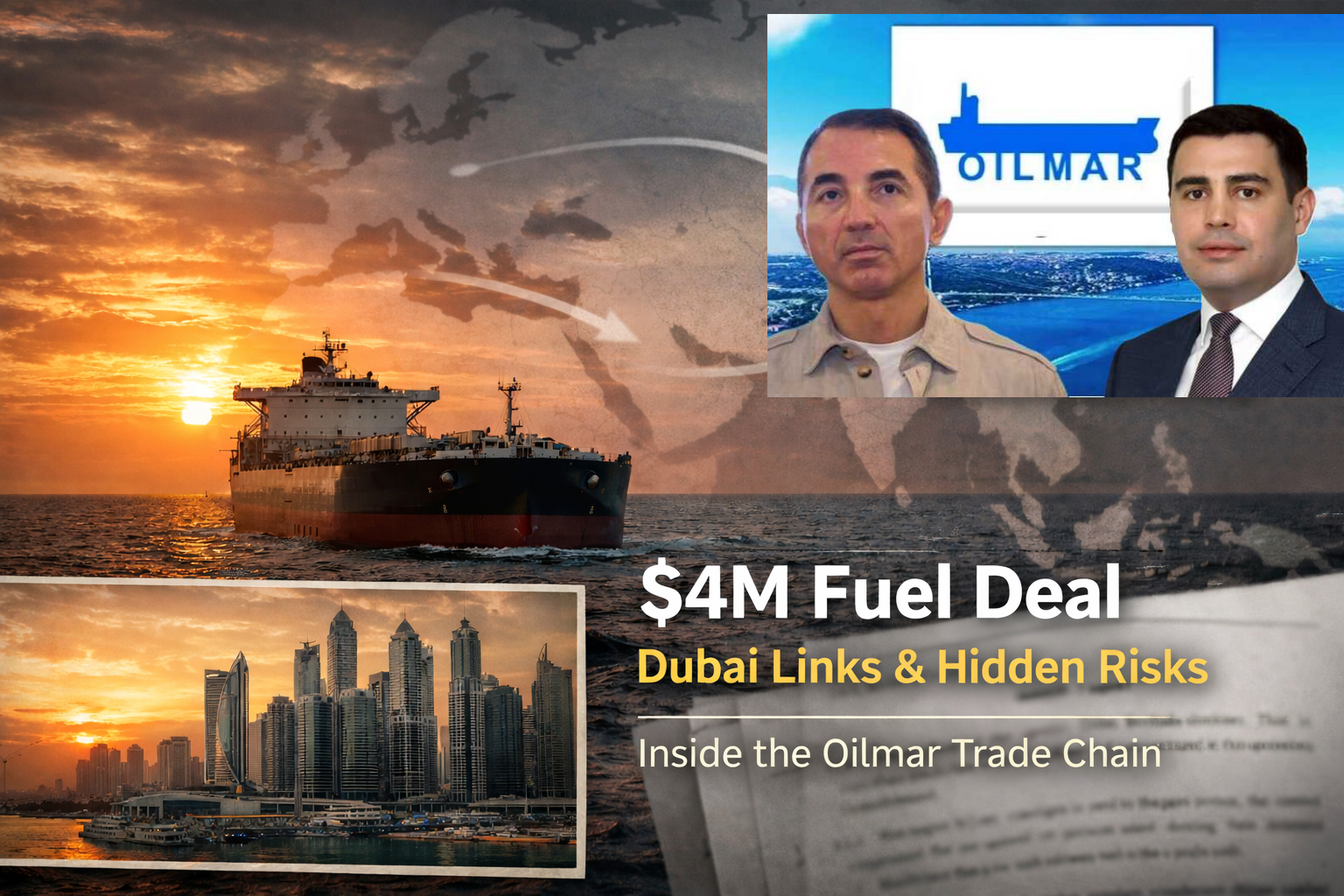
Oilmar dmcc
His façade was one of legitimate prestige, famously organising high-profile events like bringing footballer Lionel Messi to Baku in early 2025. Yet, this public image starkly contrasted with his alleged operations.
Through a web of offshore companies and partners, he is accused of perfecting the art of laundering oil cargoes by systematically altering shipping documents to disguise the origin of sanctioned Russian and Iranian crude. Investigators claim his companies provided massive pre-payment financing to Russian producers, effectively acting as a shadow banker for the Kremlin’s war economy after Western banks withdrew. As of February 2026, Ahmadzada remains in pre-trial detention, with Azerbaijani courts repeatedly extending his custody as the investigation continues.
Alkagesta: The Malta-Based Nexus
The practical workings of this alleged network are best illustrated by the activities of Alkagesta, a company registered in Malta in 2018 and identified by media as a central hub. Described as Malta’s largest oil bunkering firm, Alkagesta was reportedly at the heart of a scheme that exploited a desperate market.
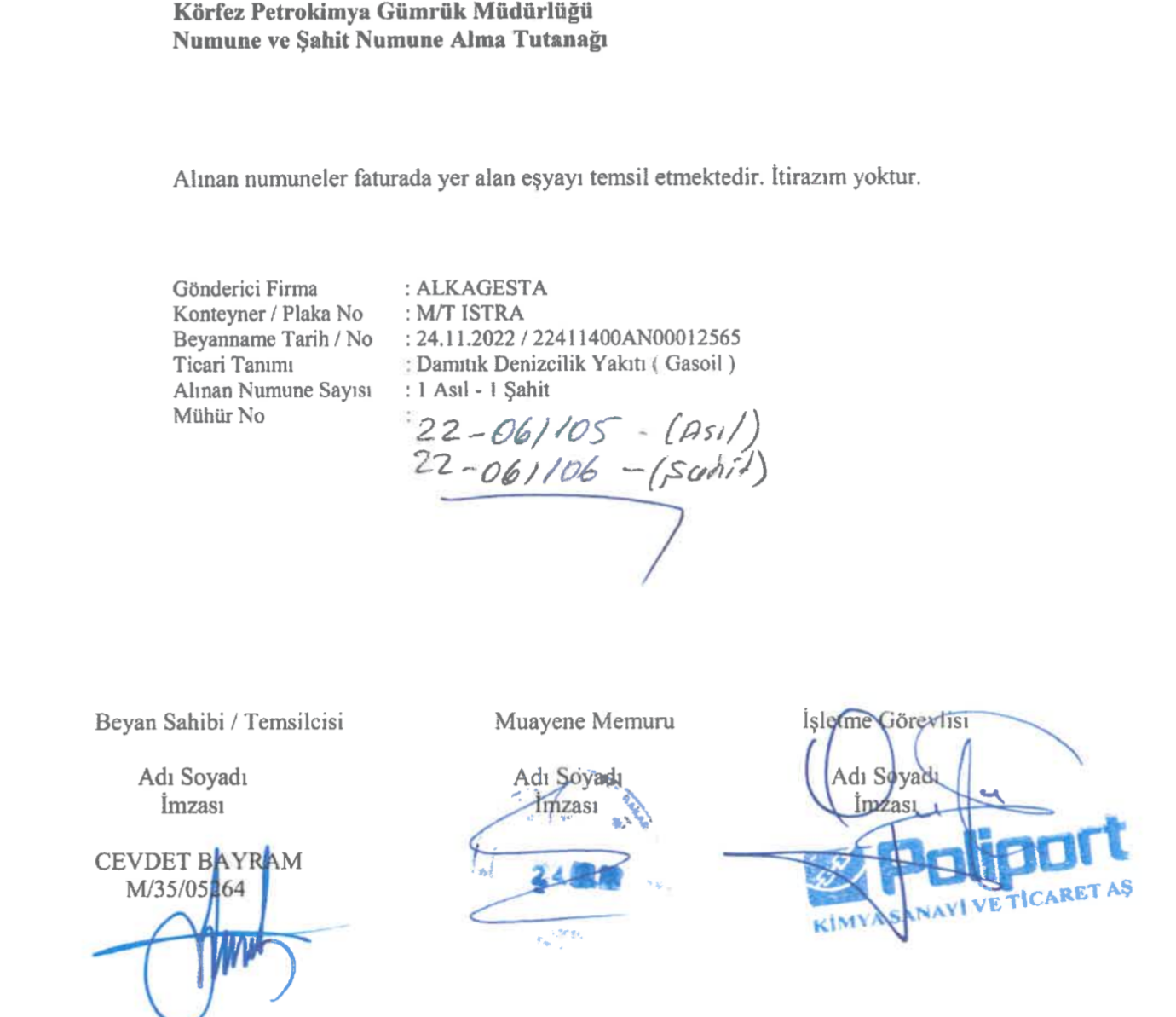
Following the destruction of Ukraine’s domestic refining capacity, the country became reliant on imported diesel, creating a massive logistical operation.
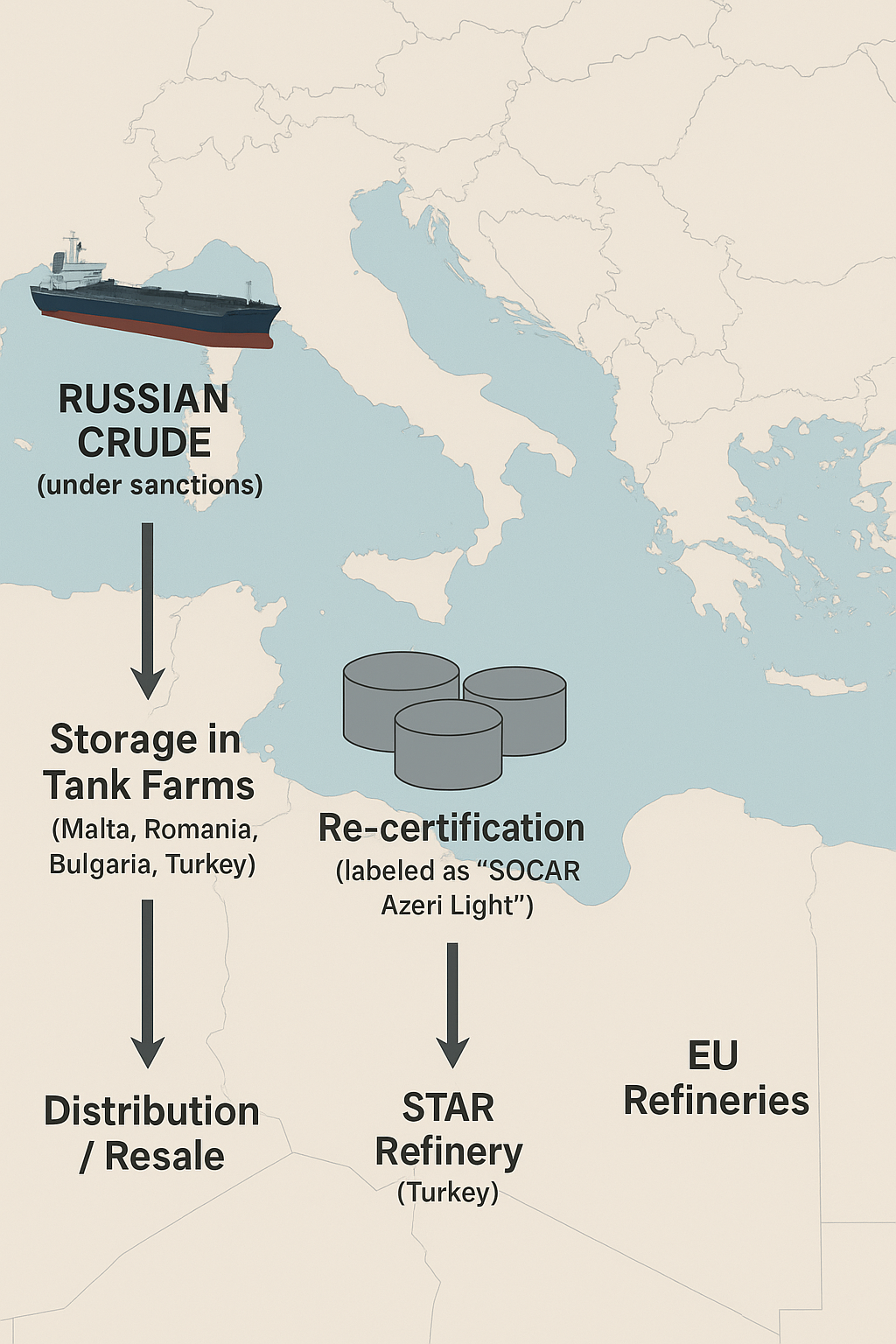
Alkagesta specialised in sourcing diesel of Russian origin, obscuring its provenance through blending and falsified certificates in offshore hubs, and then selling it onward.
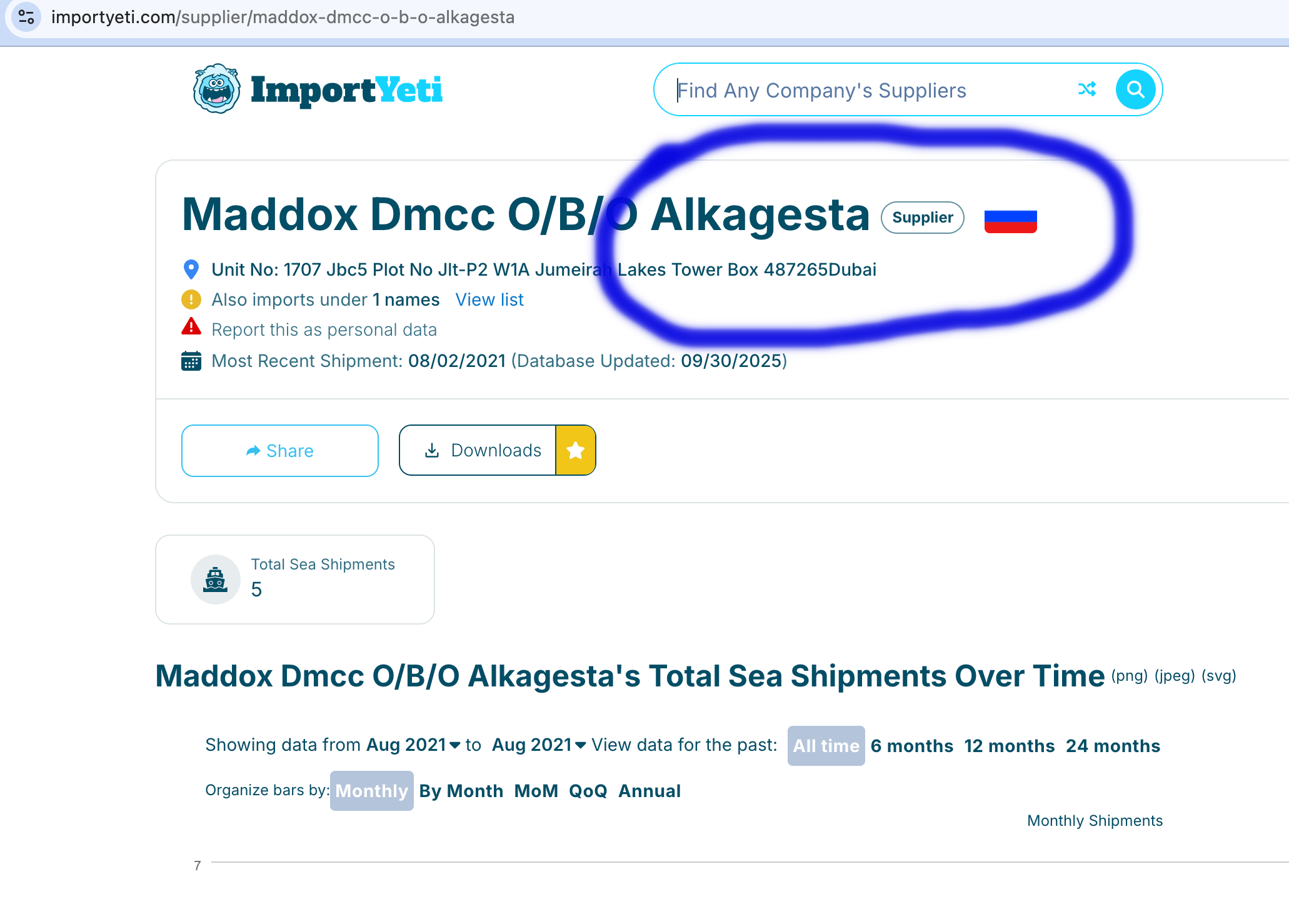
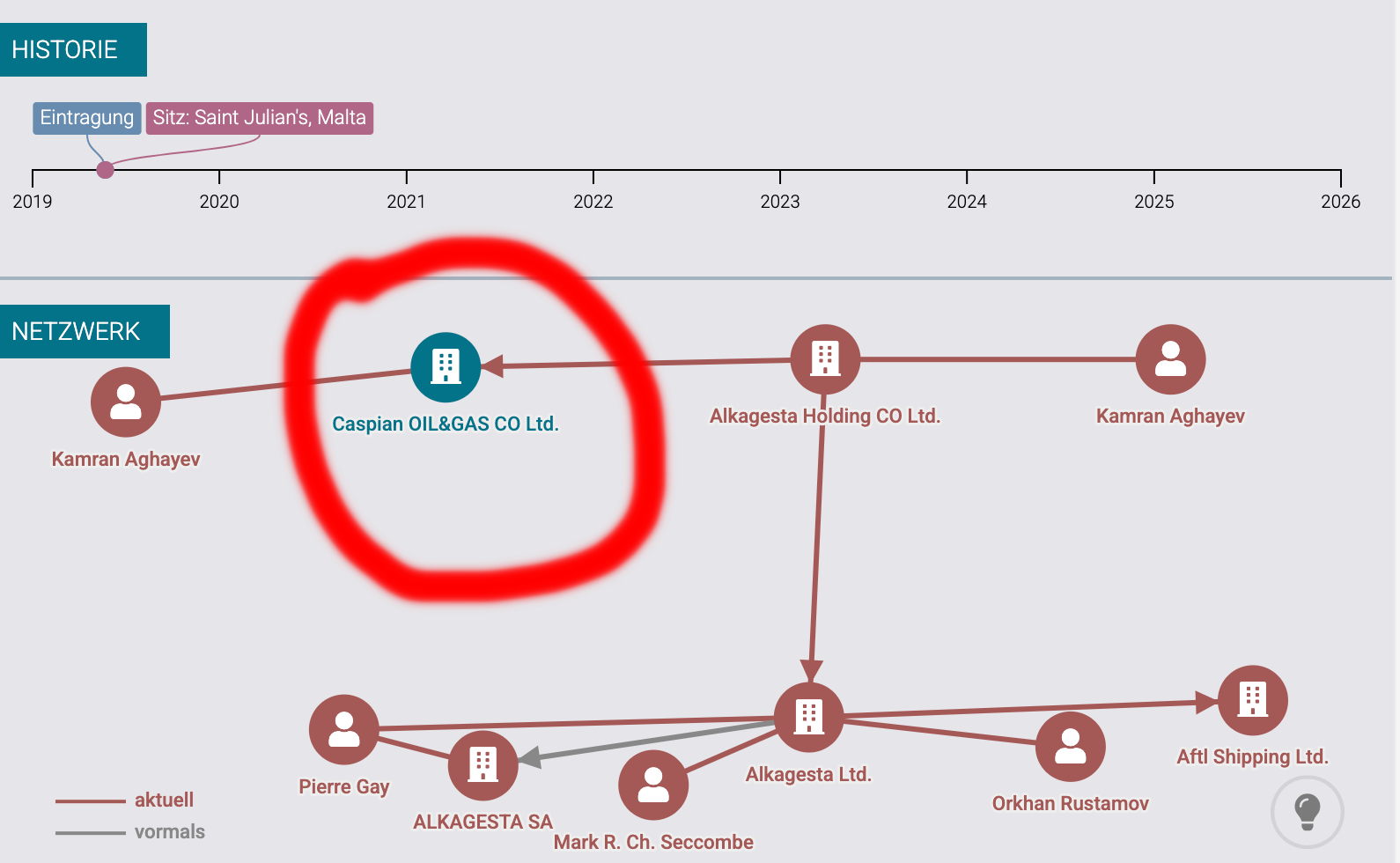
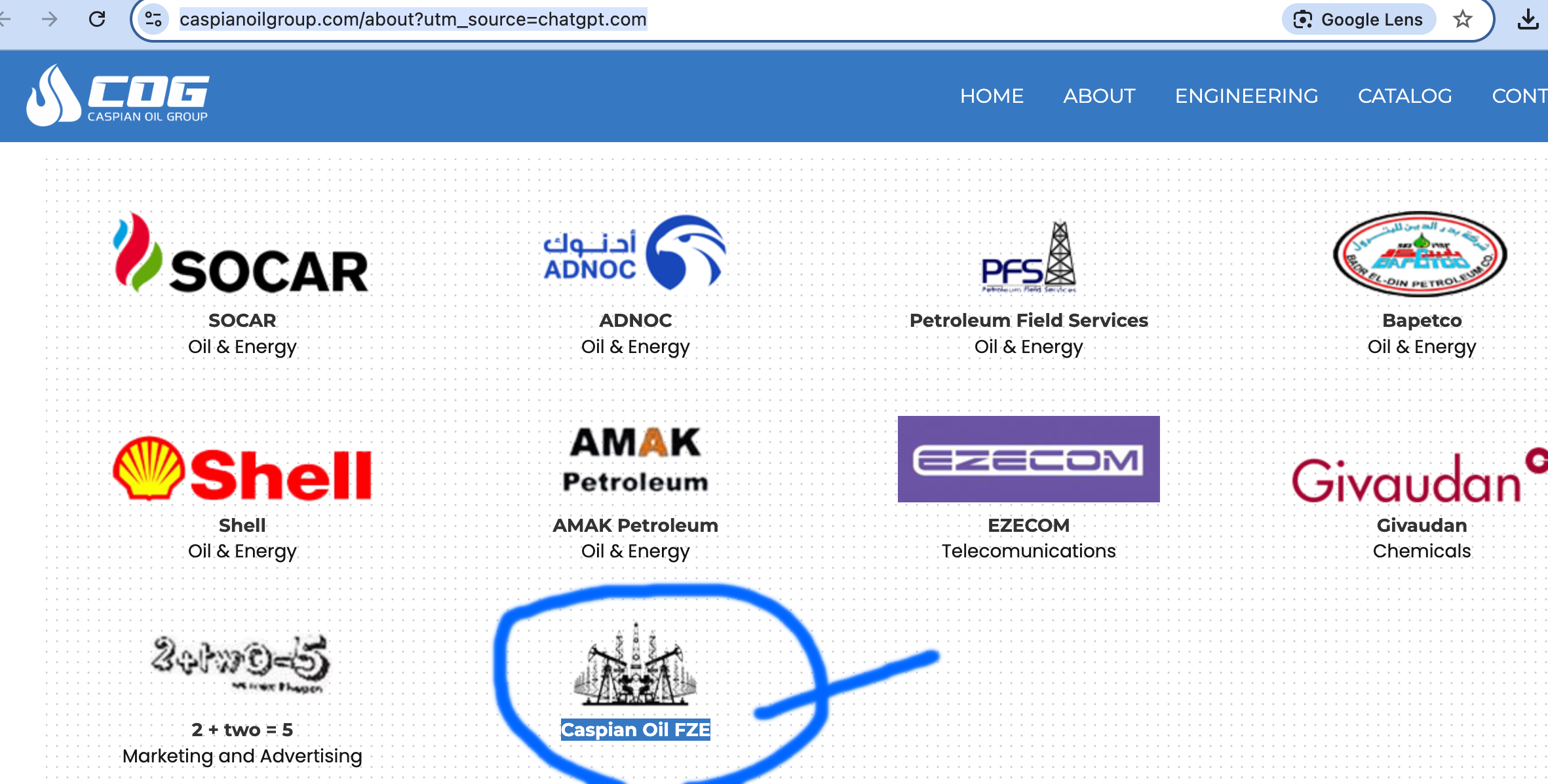
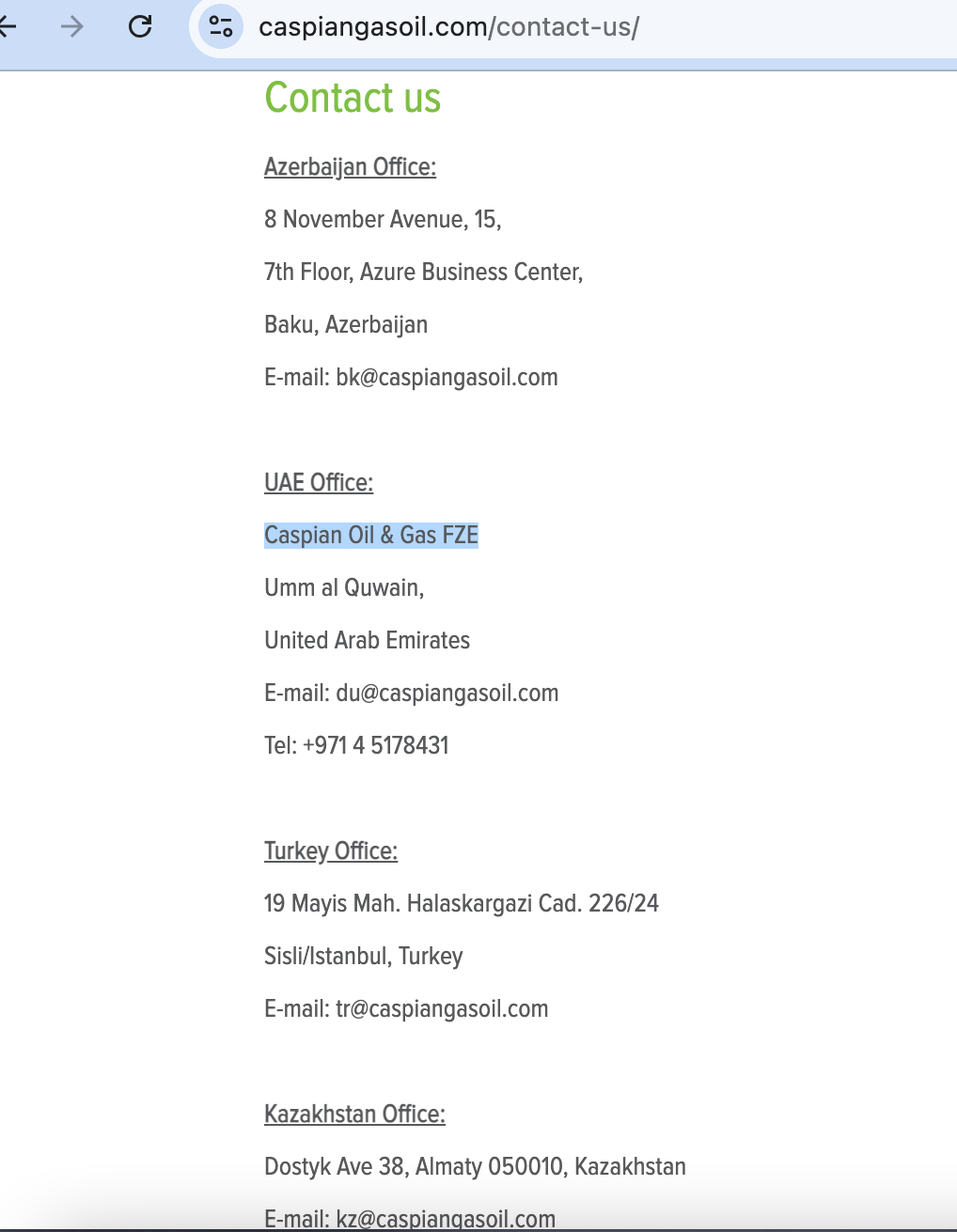
Investigative reports detail a coordinated supply chain involving companies like Oilmar DMCC ,Caspian oil gas Ltd , D-Zell, and Crudex LLC FZ, which operated across multiple jurisdictions. One estimate suggests that at its peak, Alkagesta was supplying 4.5% of Ukraine’s total diesel imports, with a significant portion of this fuel transiting through the critical Romanian port of Constanța.
In late 2025, further allegations emerged that Alkagesta used Romanian storage facilities to “re-dock” Russian petroleum onto different vessels, issuing new paperwork that fraudulently declared it as clean Kazakh or Romanian fuel before its final journey into Ukraine.
A European Paradox and Systemic Failures
The Alkagesta case exposes deep and uncomfortable contradictions within Europe’s response to the war. On one hand, the EU has implemented some of the toughest sanctions in history, including a ban on refined products from Russian crude that came into force in January 2026. On the other, its own ports, corporate registries, and financial centres were allegedly exploited to keep the sanctioned oil flowing.
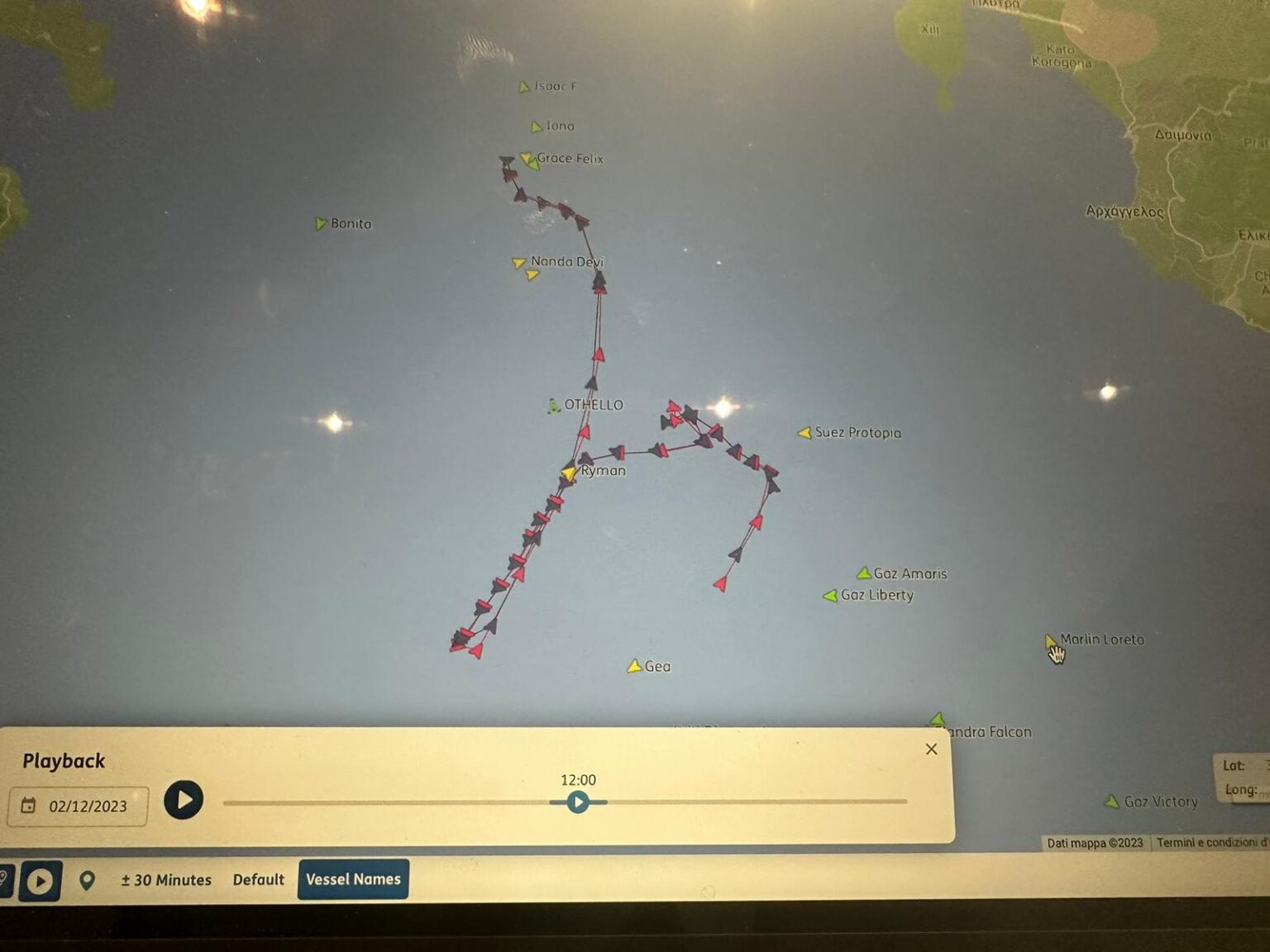
Malta’s Role: Malta has faced sustained criticism from EU partners for perceived inaction against companies like Alkagesta, which operated from its jurisdiction while allegedly facilitating sanctions evasion. The use of the Maltese flag by vessels in the so-called “shadow fleet” has been a persistent issue, with data showing that 74% of Russian crude tankers in 2025 flew flags of convenience, including Malta’s.

Romania’s Dilemma: Romania, a vital ally to Ukraine, found its strategic port of Constanța transformed into a major hub for opaque, large-scale transactions. Data reveals a staggering surge in diesel and fuel oil imports into Constanța, from 1.6 million tonnes in 2021 to 4.4 million tonnes in 2024, much of it ultimately destined for Ukraine. This role as a transit point created significant vulnerabilities. Separate media reports in Romania have also implicated the local branch of Azerbaijan’s state oil company, alleging its CEO, Ramil Asadulzadeh, was involved in schemes to reroute Russian oil using Dubai-registered firms, potentially evading over €100 million in taxes.
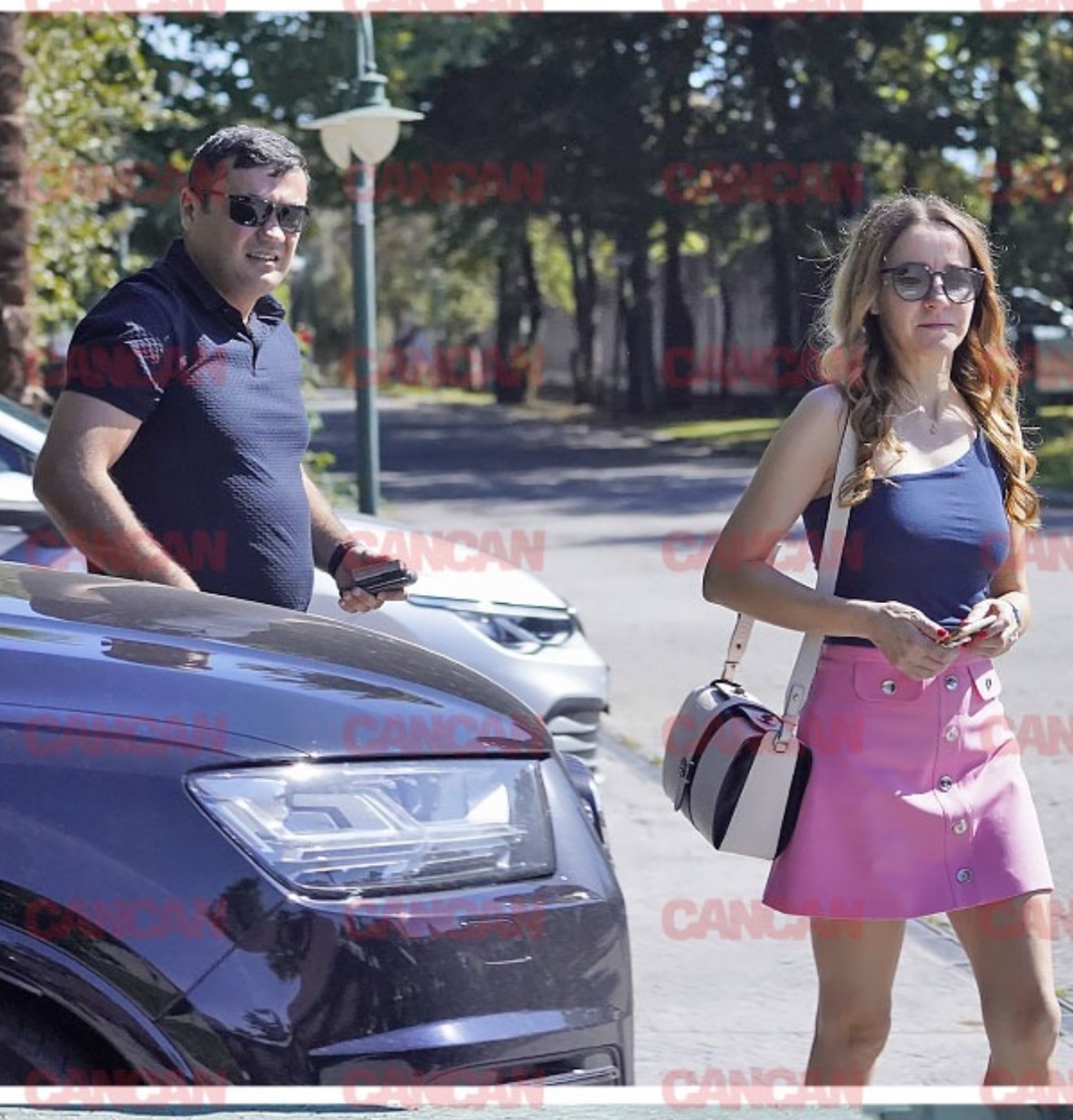
Socar Romania boss Ramil Asadulzade, 37, was caught in intimate poses with one of his subordinates, Bibiana Constantin (country HR Manager at SOCAR).
The EU’s Own Dependency: Perhaps the most damning paradox is Europe’s continued energy dependence. Despite sanctions, the EU remains the largest buyer of unsanctioned Russian liquefied natural gas (LNG), accounting for 49% of Russia’s total LNG exports. In December 2025, imports of Russian LNG into key members like France and Spain actually increased by 18% and 27% respectively. This ongoing trade directly undermines the moral and strategic unity of the sanctions effort.
The Trigger for a Downfall of Adnan Ahmadzada
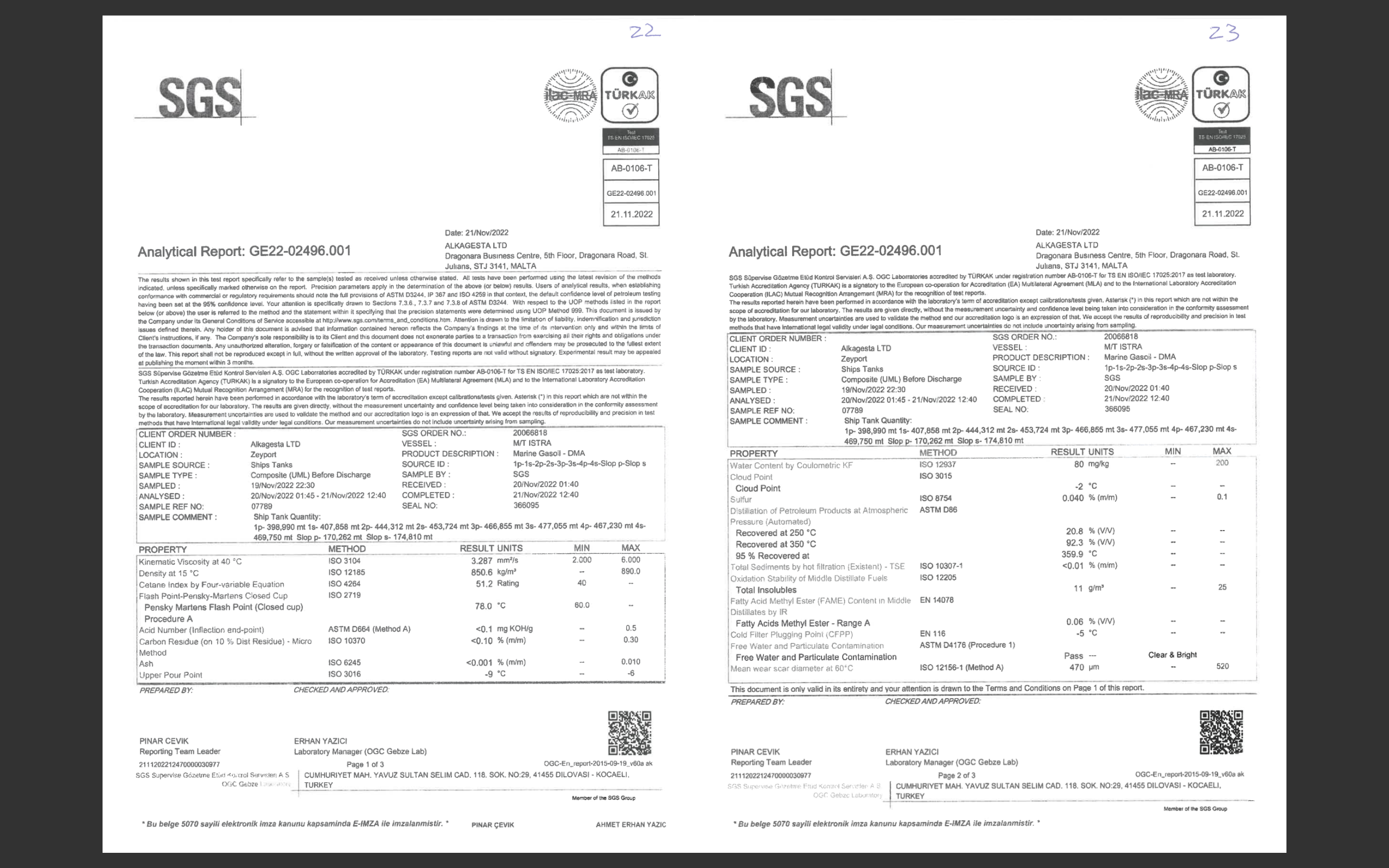
Ahmadzada’s empire allegedly began to unravel in mid-2025 due to a confluence of operational failure and geopolitical pressure. A major quality crisis erupted when dangerous levels of corrosive organic chlorides were discovered in Azerbaijani crude oil arriving in Turkey, contaminating some 200,000 tonnes and forcing emergency measures in countries like Romania.Officially, Alkagesta imported diesel fuel and crude oil from Azerbaijan, Malta or Turkey. In reality, international media investigations indicate that the company was used as a vehicle to “launder” Russian oil through the use of fraudulent certificates of origin and ship-to-ship transfers.
The transfers allegedly took place in international waters off the coast of Constanța, near Midia Năvodari, or close to the Bulgarian port of Burgas. The “ship-to-ship” procedure involved a tanker belonging to Russia’s so-called shadow fleet transferring diesel or crude oil in international waters to a vessel chartered by Alkagesta.
The vessel would then discharge the Russian cargo into the tanks and storage facilities of the Oil Terminal or into storage facilities in Midia Năvodari, where the product was allegedly blended with other petroleum products of different origins.
On Sept. 20, 2025, under pressure from U.S. President Donald Trump, Azerbaijani authorities arrested British-Azerbaijani businessman and former SOCAR executive Adnan Ahmadzada, accusing him of coordinating the entire network allegedly operating behind Alkagesta.
Ahmadzada, described by investigators as the “mastermind behind the operations,” allegedly used Alkagesta, formally managed by his relative Kamran Aghayev, to move Russian oil shipments into European markets using fraudulent certificates.
Meanwhile, European Union and British authorities are investigating Alkagesta, described as Malta’s largest bunker operator, over allegations that the company was also involved in the smuggling of Libyan oil.
In Romania, however, the authorities responsible—including prosecutors, the Ministry of Internal Affairs, the National Agency for Fiscal Administration (ANAF), the Romanian Customs Authority and the Ministry of Energy—have issued no response.
Sources within Romania’s Ministry of Finance told CUTIA NEAGRA that “it is well known at the highest levels that Romanian customs officials accept certificates of origin for fuels without border inspections and without requiring laboratory analyses.”
As the international situation deteriorated following condemnation of Russian oil smuggling by the U.S. president, Ukrainian officials warned Romania to halt the illegal imports.
Romania was given a deadline to comply. Otherwise, officials warned, the port of Constanța could be blacklisted as an oil hub, a development that would have serious consequences for Romania’s energy security.

While the cause was debated, the incident triggered a sweeping investigation that began to unpick the complex trade schemes Ahmadzada was accused of overseeing. As Western scrutiny intensified throughout 2025, major European and Arab banks, along with insurance and trading partners, rapidly distanced themselves from Alkagesta and related entities. The legal and reputational risks of association began to far outweigh any commercial benefit, leading to a financial quarantine of the network.

Alkagesta Albania 22500 ton Russian oil
For Azerbaijan, this scandal presents a profound crisis of credibility. The nation has strategically positioned itself as Europe’s reliable, alternative energy partner in the wake of the Ukraine war. The dual revelations of contaminated national oil exports and a former top executive allegedly running a global sanctions-busting operation strike directly at the heart of this ambition.
For Europe, the case is a harsh lesson in the hydra-like nature of modern sanctions evasion. It demonstrates how offshore corporate veils, document forgery, and the exploitation of storage hubs within friendly ports can keep prohibited resources flowing. The network may be disrupted, but the systemic loopholes that enabled it remain open, posing a continuous challenge to continental security and the effectiveness of collective action against aggression.
Despite being a British passport holder, Adnan Ahmadzade is now accused of using his UK citizenship to provide legal cover for Alekperov’s assets and to facilitate oil trade on behalf of Russian state-linked oil majors such as Lukoil, Tatneft, Sibur, Surgutneftegaz, and others.
Shadow Fleet Possibly Larger Than Russia’s Own
While Western powers have focused on addressing Russia’s so‑called “shadow fleet” of oil tankers that may bypass sanctions, some industry observers suggest that Adnan Ahmadzade’s network could be more extensive and integrated into Western supply chains.
This network is reported to operate through various front companies, including Maddox DMCC
Operating behind front companies such as:
- OILMAR DMCC (UAE)
- Caspian Logistic Solition (UAE) CLS

Adnan Ahmedzade GLS
- Caspian EPC Company
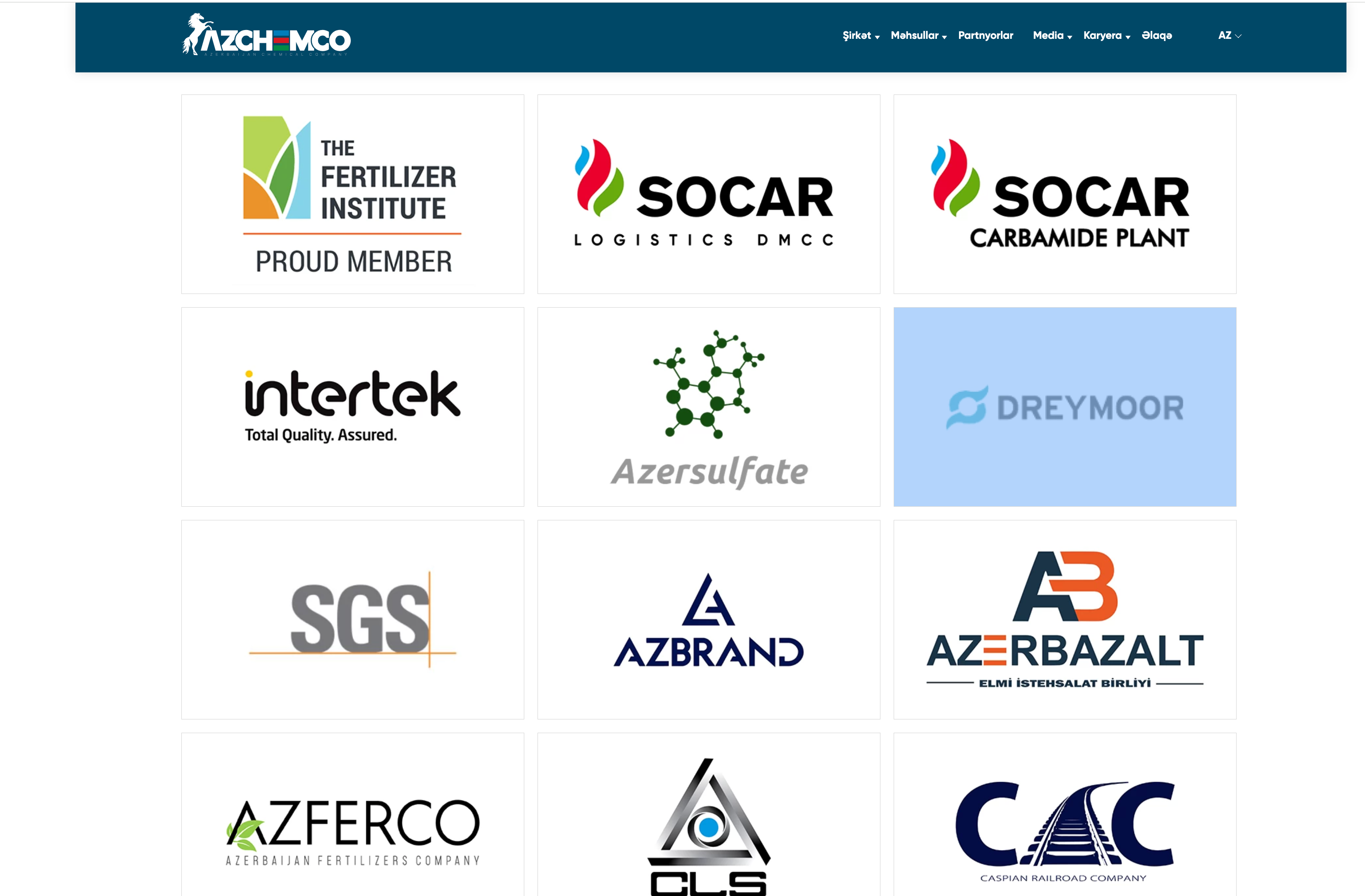
- Azerbaycan Chemikal Company AZCHMCO

- Caspian RailRoad Company CRC
- Baku Hovsan International Trade Sea Port OJSC
- One Touch Logistik oil trade company
- PACE group of Companys

- Blue Mile
“When watching the video about CLS, we see similar companies again among its partners, for example, Oilmar Ship DMCC.
“However, the company Oilmar Ship DMCC was named, alongside SOCAR Trading,among those implicated by the Albanian police in the smuggling of 22,500 tons of Russian petroleum products. In order to verify the accuracy of this information, I have shared here the links and video reports from Albanian television and media outlets

Alkagesta ltd in Albania 22500 ton Russian oil
According to the Albanian Police , OilMar DMCC (a UAE -registered company) linked to Socar Trading ,Almedia (Turkey) was involved in bypassing the embargo on Russian oil and secretly channeling it into Europe.
According to the documents, behind these structures stand Socar Trading , through subsidiary companies such as Oil Mar Shipping DMCC (Dubai), Maddox DMCC, and Almedia (Turkey).
Just three days ago, the same group, Alkagesta ,Oilmard DMCC and SOCAR Trading attempted to deliver Russian oil to Spain at the port of Tarragona, a case that was likewise blocked by the Spanish authorities. Alkagesta has recently also been registered in Albanian territory, within the free zone of Porto Romano, where it holds an identification code with the Tirana Customs Office and has been granted a storage contract.
The vessel Grace Felix, which was blocked by the Port Authority of Durrës on Sunday afternoon, appears to have used the same scheme. According to the tracking conducted by the authorities, this vessel was supplied by the ship FIDAN, which on January 20 was loaded at the port of Novorossiysk, Russia.”**
click and watsch clip
Caspian EPC Company: The Ural Oil Transit Link in Hovsan Port
In addition to maritime smuggling and falsified European shipments, investigators have uncovered a key logistical node in the operation: the Caspian EPC Company, based in Azerbaijan.
Sources confirm that Lukoil and Ural-grade Russian crude oil — under international sanctions — was delivered via tankers into Azerbaijan’s Hovsan port on the Caspian Sea, and then injected into the Baku–Tbilisi–Ceyhan (BTC) pipeline, which exports oil to global markets under the guise of Azerbaijani-origin crude.
The delivery and handling of this oil were reportedly carried out through Caspian EPC Company and CLS , a logistics contractor with deep ties to Adnan Ahmadzade’s business empire.
This maneuver not only violates international sanctions on Russian oil, but also undermines the integrity of the BTC pipeline, which is used by multiple Western energy companies and governments who assume the oil they receive is free of restricted origin.
The blending of Ural oil with Azerbaijani crude could expose SOCAR and the entire BTC export mechanism to serious legal, financial, and reputational risks — especially if European and American clients unknowingly purchased Russian oil as “clean” product.
It is said that the contamination was detected during the delivery of a tanker to one of Baku’s terminals, on board of which hazardous organochlorine compounds were discovered.
The key questions are: under what conditions did SOCAR accept this tanker, and who within SOCAR bears responsibility for technical oversight? The degree of accountability of SOCAR’s senior management in this matter is also being called into question.
About the Company
Caspian Logistics Solutions is a company owned by Ahmadzade, established in 2018 after his departure from SOCAR Trading Geneve.Company headquarters are located in Dubai.
The company is engaged in railway, maritime, and road freight transportation, as well as integrated logistics solutions for the shipment of dry cargo.
Among its partners are the Hovsan port and several logistics companies operating in Azerbaijan.
When Adnan Ahmadzada established a company in Dubai, he was still serving as an official of SOCAR (the State Oil Company of the Republic of Azerbaijan). According to Article 5 of the Law of the Republic of Azerbaijan on Combating Corruption, public officials are strictly prohibited from engaging in entrepreneurial activity. In addition, Article 10 of the same law expressly forbids close relatives from holding positions within the same institution.
Despite these legal restrictions, during his tenure at SOCAR, Adnan Ahmadzada registered companies under his name in the United Kingdom and the United Arab Emirates, acquired real estate in the UK, UAE, Spain, and other jurisdictions, and purchased luxury vehicles. Furthermore, while serving as CEO of SOCAR Trading in Geneva, he violated anti-corruption principles by facilitating the appointment of his brother, Khayal Ahmadzada, to a position within SOCAR Trading’s Geneva office, responsible for LNG sales meneger. Khayal Ahmadzada later played a direct role with Turab Musayev in the controversial gas agreement with Malta.
Subsequent investigations revealed that Khayal Ahmadzada also owned private companies and properties in Switzerland. This raises a critical legal question: under Swiss and UK law, notaries are obliged to conduct due diligence on the source of funds when property transactions occur and to raise warnings in cases where politically exposed persons (PEPs) or their relatives may be involved in money laundering. How, then, did the competent authorities in Switzerland and the UK fail to notice that Adnan and Khayal Ahmadzada—both salaried officials of SOCAR—were acquiring assets far beyond the scope of their declared income? At the time, the maximum official salary at SOCAR did not exceed 1500-5,000 AZN (approximately 750- 2,500 € ).
Recommended Legal Action – Caspian EPC Included
Given the direct involvement of Caspian EPC Company in transporting sanctioned Russian crude:
- This company, its board, and any affiliated operators must be added to the scope of the UK/EU investigation.
- Financial records, maritime logs, and port registry data from Hovsan terminal must be subpoenaed.
- The company’s communications with SOCAR departments, OILMAR ,SOCAR Trading could be subject to audit to determine whether there are any indications of conspiracy or sanctions evasion.
…Ahmadzade channeled millions of barrels of Russian oil into Europe via false certificates, claiming origin as Kazakhstan, Azerbaijan, or Libya. In most cases, the actual origin was Russian Ural crude.
These operations were facilitated during his time at SOCAR, where he allegedly opened doors for Russian oil to infiltrate Azerbaijani infrastructure and be exported as “clean” barrels under different names.
Among the most important assets are:
Both ships are linked to illegal or undeclared cargo transfers, with specific accusations of “dark fleet” activity.
Documented Incidents: Albania, Spain, Romania

- Albania: In a high-profile case, 22,500 tons of Russian diesel were seized at Porto Romano. Albanian authorities named Alkagesta and OILMAR as the companies behind the smuggling operation.
Voluntary Surrender or Strategic Escape?
Though local reports in Azerbaijan say that Adnan Ahmadzade was “arrested” recently, credible sources suggest he voluntarily surrendered to avoid international extradition and prosecution. His decision came just as UK and EU authorities intensified investigations into his involvement in illicit oil trading and sanctions evasion.
The Call to Action: Time for Western Enforcement
This case has become a litmus test for the credibility of Western sanctions regimes.
Despite being a UK citizen, Adnan Ahmadzade allegedly:
- Sheltered assets of a sanctioned Russian oligarch (Lukoil’s Alekperov)
- Actively facilitated exports of Russian oil into EU markets during wartime
- Operated an independent shadow fleet larger than many state-run entities
- Built a global network with links to Russia, Azerbaijan, UAE, Turkey, Albania, and Romania
It is now urgent for the UK, EU, Canada, Australia, and allied countries to accelerate joint investigations and impose criminal and financial penalties on every participant in this transnational network.
Failure to act will not only embolden other sanction violators — it will signal to the world that Western laws can be bypassed with the right passport and enough shell companies.
Final Word
What we are witnessing is not just a breach of oil regulations or business ethics. This is a sophisticated geopolitical operation, fueled by deep corruption, cross-border proxies, and regulatory loopholes.
The Ahmadzade network is not a footnote — it is a textbook example of how modern financial and logistical systems are weaponized to serve aggressor states. The longer this is allowed to continue, the more fragile the global sanctions framework becomes.
Prepared by investigative sources. Confidential. September 2025.
A reliable source informs us that SOCAR’s oil reservoirs located in Romania have not been filled with Azerbaijani Azeri Light crude oil. This was not always the case. Instead, smuggled Russian oil has been transported by tankers and injected into SOCAR’s reservoirs.

This method was considered safer because the oil was stored in state-owned facilities, and from there it was sold to Europe using falsified documents.
During the transfer operations, tankers frequently disabled their GPS systems and carried out ship-to-ship transfers. Moreover, when questioned by the media, involved parties remained silent and refused to provide answers.
All these activities must be thoroughly investigated by Europol and UK law enforcement agencies.
“Adnan Ahmadzada’s brother, Khayal Ahmadzada, who works at SOCAR Trading in Geneva, has also been heavily involved in these affairs. He too is among those who should be arrested, along with his circle. The next article will provide the facts. Stay tuned …”

It remains unclear how Khayal Ahmadzada was able to afford the properties registered in his name. A formal complaint will be submitted to law enforcement authorities regarding this matter.”
“Observers note that with the official salary he receives from SOCAR Trading Geneve , in Switzerland Khayal Ahmadzada could hardly afford more than a bicycle — raising serious questions about how he has financed his properties.”

Editor-in-Chief
Read more similar news:
Comments:
comments powered by Disqus