Liechtenstein prince tightens dynastic power as women win right to inherit the throne
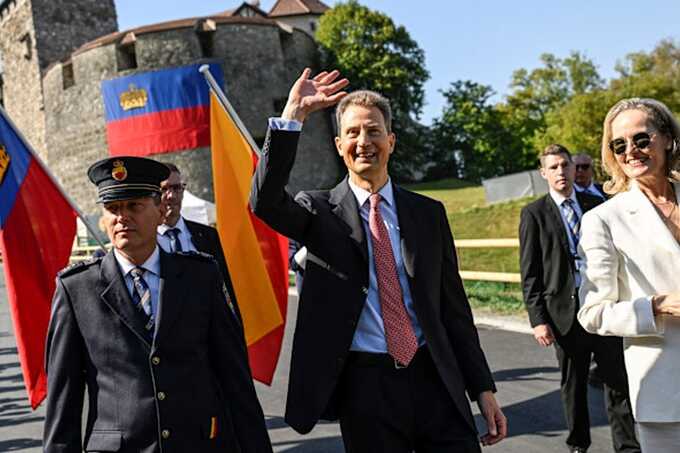
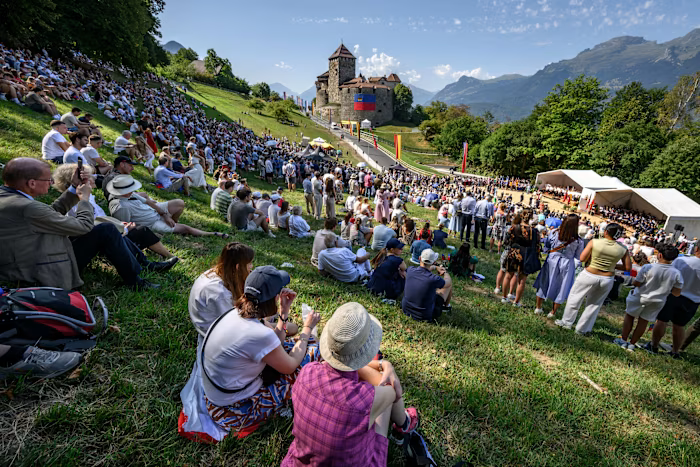
Prince Alois chose Liechtenstein’s national day on August 15 to announce a break with three centuries of dynastic tradition: future generations of women could inherit the throne on equal terms with men.
As reported by FT, for a country that was Europe’s last to give women the vote, in 1984, the change was hailed as overdue progress. But it also masked a much broader consolidation of power.
Internal documents reviewed by the FT show that three days earlier, behind the walls of Vaduz Castle, Europe’s wealthiest ruling dynasty had quietly approved an overhaul that strengthens the authority of a prince who already wields extraordinary power over his 42,000 citizens, while reducing some of the rights and checks exercised by his relatives in the Princely House of Liechtenstein.
Even before the changes, Prince Alois could veto legislation, dismiss the government, dissolve parliament, appoint judges and reject laws approved by referendum. In June, the Catholic prince said he would veto a citizens’ initiative to legalise abortion during the first 12 weeks of pregnancy, even if voters backed it.
“The prince is the most powerful ‘politician’ in the country,” said Wouter Veenendaal, professor of kingdom affairs at Leiden University, who has studied Liechtenstein. “Such a role for the monarch would be unthinkable in Europe’s larger constitutional monarchies.”
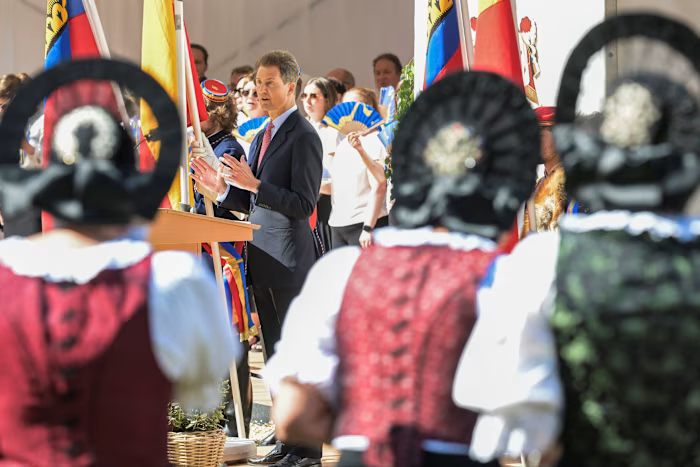
Hereditary Prince Alois, 58, has acted as Liechtenstein’s head of state since 2004, when his father, Hans-Adam II, handed him day-to-day sovereign powers while retaining the title of reigning prince. Educated at Sandhurst, Alois served in the Coldstream Guards and worked for an accountancy firm in London before returning to Vaduz.
Alois’s political authority is backed by extraordinary private wealth. The Princely House of Liechtenstein owns LGT, the international private banking group overseen by Alois’s brother, Prince Max, which manages about $482bn in client assets — including the family fortune. For 2025, the bank paid the princely family a dividend of about $878mn.
In the tiny country wedged between Switzerland and Austria, that financial clout makes the dynasty difficult to disentangle from the state itself. In 2002, Hans-Adam II threatened to move his family to Vienna unless voters backed reforms giving the monarchy the power to appoint and dismiss governments.
The threat carried historical weight: from Liechtenstein’s creation in 1719 until Nazi Germany’s annexation of Austria in 1938, its princes ruled the country from Vienna.
Liechtensteiners backed him in a referendum, despite a Council of Europe warning against the expansion of princely power. The Strasbourg-based rights watchdog described Liechtenstein’s Hausgesetz, or House Law governing the monarchy, as “astonishing” for sitting outside the state constitution.
The latest changes to the House Law go far beyond succession. According to internal documents, the prince gains greater discretion over who belongs to the dynasty and explicit authority to set rules on family names, titles and coats of arms. The Family Council, a body of relatives that oversees dynastic affairs, will expand from three to five members but loses an important check: the prince will no longer need its consent for pardons, only to consult it.
Checks on the prince were already “quite limited”, said Veenendaal.
Some of the reforms appear liberalising. Aside from allowing female succession, the new House Law widens family voting rights from adult male members eligible for the throne to all adult members by birth.
The Princely House rejects the suggestion that the changes consolidate the monarch’s powers. Many were technical or codified existing practice, said spokesperson Anja Nöstler, and they did not “affect the constitutional balance between the reigning prince and the people”.
The reforms were approved not by parliament or the public, but by members of the dynasty itself.
Documents dated June 11 show voting family members — adult males eligible for the throne — were sent a proposal for the amendment, rather than the full text, and asked to return Ja or Nein ballots by post by August 11.
Under a procedure that the Princely House said mirrored Liechtenstein’s national postal voting system, unsigned ballots were placed in sealed inner envelopes, separate from signed identification cards.
On August 12, the ballots were counted at Vaduz Castle. An internal letter reviewed by the FT named Hans-Adam II and four other princes as present; Alois was not among them. Nöstler said the count was attended by six family members, not the five listed in the letter, but later confirmed that Alois was the additional family member. She added that two non-family members were also present, but declined to identify them for “data protection reasons”.
In a letter sent that afternoon, the family was told the reform had passed with a 70 per cent majority. Members were asked to keep the result “strictly confidential” until Alois’s National Day speech. Nöstler said the restriction was intended simply to co-ordinate the public announcement.
The same letter suggested disagreement behind the result. It thanked relatives who had backed the changes as well as those who had “reservations or held a different view”, then urged the dynasty to unite behind the decision.

Editor-in-Chief
Read more similar news:
Comments:
comments powered by Disqus