Lebanon yet to issue Beirut blast indictment six years after disaster
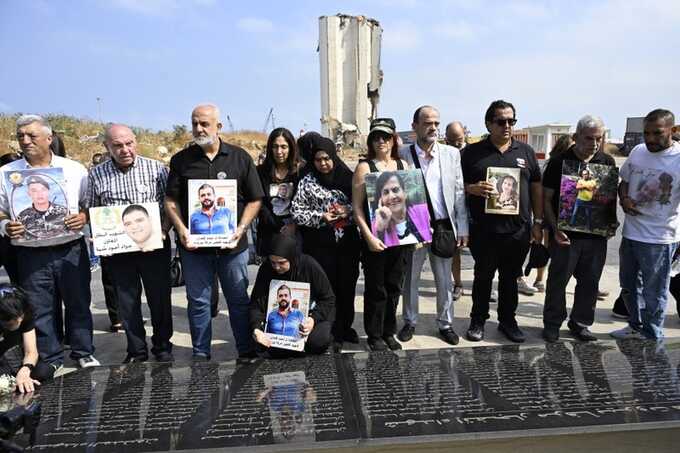
Six years after a chemical explosion ripped through Beirut’s port, killing more than 200 people and injuring thousands, Lebanon has yet to issue an indictment naming the individuals allegedly responsible for the catastrophic event.
Lebanese Minister of Justice Adel Nassar told OCCRP that he expects the public prosecution will finalize a legal opinion within 60 to 90 days, after which an investigating judge can issue a formal indictment.
“When I asked the public prosecution, they told me that they estimate a timeframe of 60 to 90 days to deliver their requisitions,” Nassar said, adding that he has no knowledge of the document’s contents, and that the judiciary acts independently of his office.
The country’s president Joseph Aoun, who took office in early 2025, renewed calls on Monday for the judiciary to hand down an indictment without delay, declaring that “justice, truth, and accountability remain obligations that cannot be erased by time.”
Lebanon’s previous government was heavily criticized for its handling of the investigation, with judges facing relentless obstruction in the form of political pressure and legal challenges.
Though some progress has since been made, representatives of the victims are now concerned about the thoroughness of the probe into the blast, which was triggered by the explosion of 2,750 tons of ammonium nitrate that had been improperly stored in the port for years.
“It’s not a question of whether [the indictment] is published or not published, but rather the scope of the investigation is what is important,” said Zena Wakim, a lawyer who represents victims of the blast and works with Accountability Now, a Swiss-based non-profit focused on combating impunity in Lebanon.
“Did they just cover the storage of ammonium nitrate, or did they look into where the explosives came from, who they were going to, and how they were able to enter Lebanon?”
Wakim said there are fears the probe might avoid sensitive aspects of the case.
“My fear is that a half-justice is rendered because there are parts of a sprawling case which, for one reason or another, are not being investigated,” Wakim said.
Minister Nassar attributed the investigation’s long delays to the numerous legal challenges that investigating judges faced before the new government took power last year.
Lebanon now has "a justice system in working order," he said.
The stage for the tragedy was set back in November 2013, when the huge volume of ammonium nitrate arrived at the Port of Beirut aboard the Moldovan-flagged cargo ship Rhosus, bound for Mozambique.
After the vessel was impounded in Beirut, the cargo was offloaded into a warehouse, where it remained improperly stored despite repeated warnings to senior officials over the next seven years.
An OCCRP investigation published earlier this year revealed that the Rhosus had been flagged for inspection by a U.N. maritime peacekeeping force upon entering Lebanese waters in late 2013.
Although the Lebanese Navy boarded and inspected the ship, it failed to report the combustible cargo, and the inspection was not included in a report submitted to the Defense Ministry five days after the 2020 blast.

Editor-in-Chief
Read more similar news:
Comments:
comments powered by Disqus