Bank of England expected to hold interest rates despite renewed inflation risks
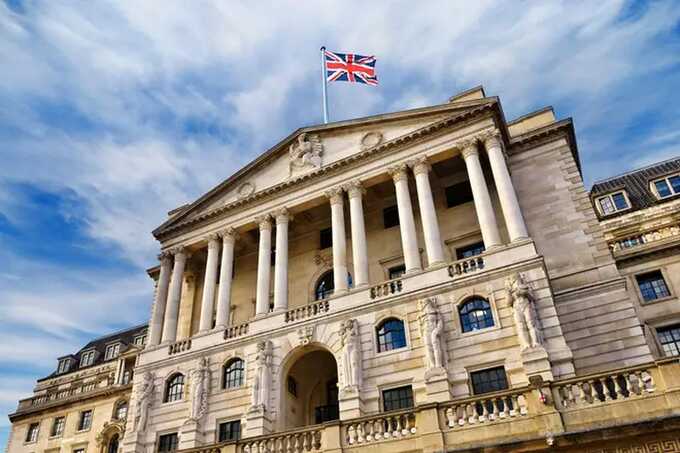
That would help keep mortgage and borrowing costs from rising for now, though any relief for households may be temporary if energy prices keep climbing.
A hold would also avoid extra pressure on people with loans or credit cards linked to interest rates, while savers are unlikely to see any major immediate change in returns.
Economists say most members of the Bank’s rate-setting committee are likely to vote to keep the base rate at 3.75 per cent, even as renewed fighting in the Middle East adds to concerns about inflation. A number of economists, including analysts at Oxford Economics and Nomura, are forecasting another seven-to-two vote in favour of holding rates steady.

The Monetary Policy Committee is due to meet on Thursday 30 July, when it will also publish fresh economic forecasts. The meeting comes after inflation eased in recent months, which has given some relief to households as well as policymakers.
The Office for National Statistics said earlier this week that UK consumer price inflation fell to a 15-month low in June, at 2.6 per cent as food and fuel prices fell.
But that easing may not last. Inflation is widely expected to rise again and move further away from the Bank’s 2 per cent target, which means the cost of living could stay sticky for longer.
The Bank has already said it expects inflation to climb back to 3.25 per cent later this year as higher energy costs begin to feed through into household bills from July. If that happens, families could see more pressure on energy, food and transport costs in the months ahead.
Until recently, most economists had expected interest rates to remain at 3.75 per cent for the rest of the year. But the intensifying conflict in Iran has added fresh uncertainty, with fears that it could push oil prices higher and feed into inflation.
Oil prices rose above 100 US dollars a barrel on Thursday for the first time since May, after attacks on shipping in the Red Sea and threats from President Trump raised concerns about possible supply disruption in the region. If oil stays high, that can eventually feed through into petrol prices, heating bills and the cost of goods in shops.
Governor Andrew Bailey is likely to be asked how the renewed fighting has affected the Bank’s inflation outlook, and what it means for future rate decisions. The Bank will be trying to balance the risk of inflation picking up again against the risk of putting more pressure on an economy that is still barely growing.

Thomas Pugh, chief economist at RSM UK, said oil prices will “largely” determine the path of interest rates over the next year.
“If they remain close to 100 dollars per barrel over the summer, a September rate hike would move firmly onto the table, with another in the winter likely,” he said.
“However, if there is another peace deal and prices drop back a little, we think a weakening labour market and deteriorating economic outlook will keep the Bank on hold this year, before cutting three times in 2027.”
The conflict is also likely to affect the Bank’s growth outlook, after GDP rebounded in May but only rose by 0.1% over the month. That weak level of growth may make rate-setters cautious about raising borrowing costs too quickly.
A rate hold would avoid an immediate shock to mortgage holders and other borrowers, but if inflation and oil prices keep climbing, that calm could be short-lived.

Politics Editor
Read more similar news:
Comments:
comments powered by Disqus