Belgian court rules treasury decision to keep frozen Russian assets blocked was illegal
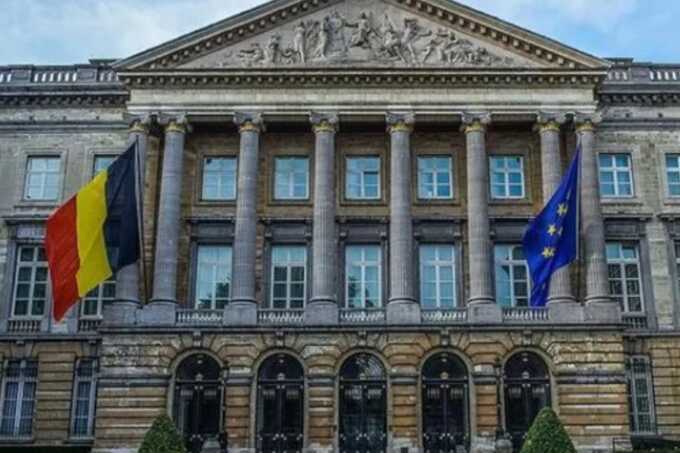
Belgium’s supreme administrative court has ruled that a decision by the country’s treasury department refusing to release frozen Russian assets was illegal.
The court, known as the Council of State, ruled that the Administrator General of the Treasury did not have the proper legal authority to decide whether or not to release the assets.
The September 11 ruling was first reported by De Tijd on Wednesday, and shared with OCCRP.
The case stems from a request made by Russia’s BCS Bank in January 2023 to unfreeze its securities and cash, which had been blocked at Brussels-based securities manager Euroclear.
The assets were frozen following E.U. sanctions imposed in 2022 on Moscow’s main securities holder, the National Settlement Depository, in response to Russia’s full-scale invasion of Ukraine.
In July 2024, the Belgian treasury rejected BCS Bank’s request to unfreeze its securities and cash. The treasury claimed that the lender had not sufficiently demonstrated that it had fully severed ties with Russia’s National Settlement Depository.
The Council of State ruling does not necessarily mean the frozen funds will be released.
"We are studying the judgment and examining its possible consequences," Ilse Coopman, a spokesperson for Belgian Finance Minister Jan Jambon, told De Tijt. "Once that analysis is completed, we will be able to communicate further."
The judgment came amid ongoing legal battles over funds ensnared in a web of Western sanctions, which OCCRP, De Tijd, and Follow the Money have previously reported on. Over 200 petitions have been filed with the Council of State challenging treasury decisions on frozen assets and blocked transactions.
Reporters discovered that much of the 258 billion euros’ worth of blocked transactions and frozen assets (about $270 billion) does not actually belong to Kremlin allies, or Russian state or corporate entities. Instead, a significant portion belongs to investors who are not sanctioned.

World Affairs Correspondent
Read more similar news:
Comments:
comments powered by Disqus