Britain is "taxing itself into death" as economists warn of looming debt crisis
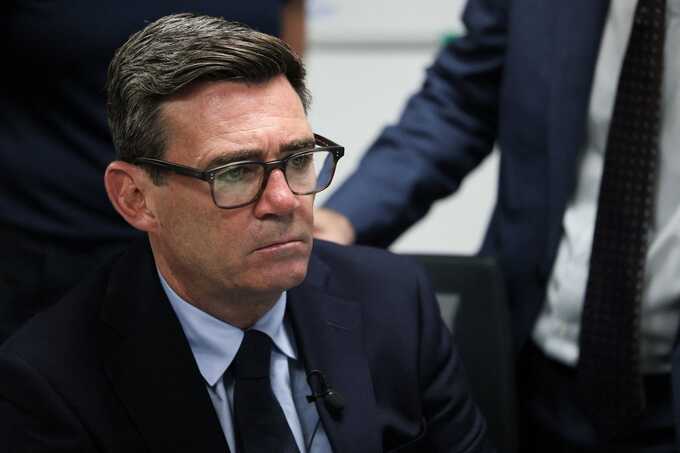
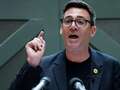
Andy Burnham and Chancellor John Healey have been issued major warnings as Britain is "taxing itself into death."
The criticism comes ahead of the Budget next month where the chancellor will set out his plans for the economy to boost growth.
Neither the Prime Minister nor Mr Healey have excluded the possibility of raising taxes in their first fiscal statement. That prospect has drawn fierce opposition from economists, investors and business leaders alike.
Senior US economist Arthur Laffer has cautioned that the country is trapped in a "death spiral."
Mr Laffer, who has served as an adviser to Ronald Reagan, Bill Clinton and Donald Trump, delivered his stark assessment ahead of a visit to London this week.
The prominent economist told The Telegraph: "I have never heard of an economy being taxed into prosperity. What’s happening is, Britain is taxing itself into death.
"Your problem is not too little revenue. Your problem is too little growth, too little prosperity."
Mr Laffer is renowned for his theory that tax revenues actually decline once rates are pushed beyond a certain threshold.
He urged Mr Burnham not to pursue a fresh tax raid in next month’s Budget, arguing it would only deepen the country’s difficulties.
"Your record is not illustrating a good set of policies," he said. "It’s really indicating exactly what you see when [an] economy gets in the death spiral."
The British Chambers of Commerce has branded potential tax increases a "road to ruin." They are urging Mr Healey not to "pile more taxes on firms" at the October Budget.
Shevaun Haviland, the BCC’s director general, said: "The Chancellor must use his first budget to cut the cost of doing business, allowing everyone to reap the economic benefits."

She added: "Piling more taxes on firms, would be a road to ruin, and the quickest way to destroy business confidence."
The trade body has laid out a series of demands, including reducing business energy bills, lowering business rates and helping young people into employment.
It has also called on the Government to scrap the triple lock on the state pension and use the savings to fund cuts to employer National Insurance Contributions for all workers under 25.
Lord Jim O’Neill, a former economic adviser to Mr Burnham who declined a formal role in his government, has similarly pressed the Prime Minister to rein in the "excesses of the triple lock."
One of the world’s largest bond investors, Pimco, has declared that Britain is losing its fiscal credibility.
Pimco, which oversees more than £1.5trillion in assets, has warned that Britain is paying a price for its deteriorating standing with investors.
Rupert Harrison, the firm’s senior adviser for the UK and a former chief of staff to George Osborne, said: "The UK is paying a premium because of a perceived loss of economic and fiscal credibility."
Mr Harrison pointed to a failure to control inflation and spiralling borrowing as the root causes. He noted that while rising borrowing costs were a global phenomenon, Britain’s had remained higher than most advanced economies for some time.
The gilt market endured a punishing week, with the interest rate charged on 10-year government loans briefly reaching its highest point since August 2007.
Britain experienced the sharpest increase in borrowing costs across the G7, fuelled by concerns over the public finances and the looming Budget.
And former IMF chief economist Kenneth Rogoff has warned that the UK faces the greatest debt crisis risk among wealthy nations.
Prof Kenneth Rogoff, who led the IMF’s economics division from 2001 to 2003, said the recent bond market turmoil posed a greater threat to Britain than to any other developed nation.
The Harvard academic said: "The UK and the US might be the two most vulnerable countries, and probably the UK more vulnerable."
He warned that the combination of elevated debt, high interest rates and stagnant growth created the conditions for a potential crisis. In such a scenario, Mr Rogoff said, one option would be for Britain to seek assistance from the IMF.
"If your debt is high, the interest rates you’re paying are already high, you’re politically paralysed, often that’s a recipe for having a debt crisis," he said.
The Government’s fiscal cushion has been severely eroded since the spring statement, when former chancellor Rachel Reeves had £23.6billion of headroom against fiscal targets. Rising bond yields and inflation driven by the war in Iran have whittled that buffer away.

The warnings come as Mr Healey prepares to set out his own plans to boost Britain’s struggling economy in a major speech on Monday.
The Chancellor will unveil a £150million fund for fast-growing businesses in the North of England as he attempts to tell a more "optimistic story" about Britain’s economic prospects.
The fund, delivered through the British Business Bank, will offer investments of between £5million and £15million to help innovative companies expand.
Mr Healey is expected to argue that public investment can be used to attract more private money into businesses and generate growth across the country.
However, the announcement comes just weeks before his first Budget on October 28, with rising Government borrowing costs putting further pressure on the Chancellor’s finances.
A Treasury source said: "He also knows that growth is not possible without fiscal stability and is determined to ensure this country’s finances have a buffer against global uncertainty."

Head of Investigations
Read more similar news:
Comments:
comments powered by Disqus