Prison laundries turned into cells as UK jails near breaking point
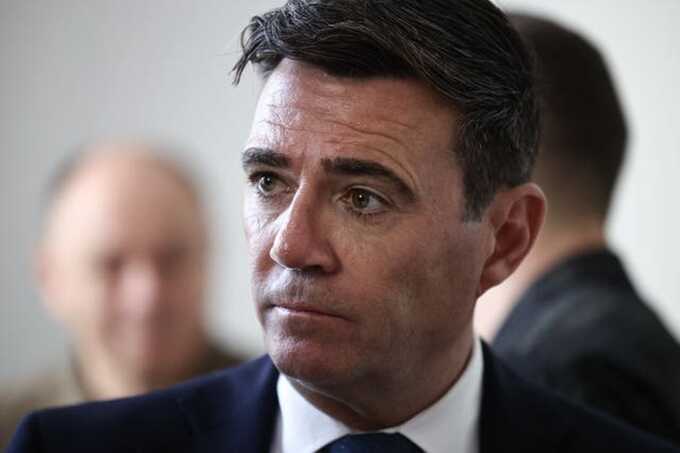
Prison laundries are to be converted into accommodation as the Government tries to avoid running out of cells.
Alex Norris, the Justice Secretary, has committed £110m to finding and converting existing space, also including offices and storerooms, to house inmates.
Alex Davies-Jones, one of Mr Norris’s junior ministers, admitted on Monday that space was now “very tight” in prisons, with male jails running at 98 per cent of capacity, with fewer than 1,700 spare places.
The overcrowding crisis continues despite the Government freeing thousands of prisoners early.
On Sunday, Andy Burnham announced that another 500 serious offenders, including the killers of Pc Andrew Harper, had been excluded from the next round of early releases, which begins in October.
Around 1,000 rapists, child sex abusers and groomers had already been barred from the early-release scheme. It means that the number to be freed early has fallen from the 6,000 originally planned to 4,500.
Prison experts have said the Ministry of Justice (MoJ) needs to be more creative in its search for space because the next prison to be built – 1,700-space HMP Welland Oaks in Leicestershire – will not open until 2029.
“This sort of radical action [announced by Mr Norris] ought to have been started two years ago,” said Ian Acheson, a former prison governor and government adviser.
“We should have had an independent audit of prison space and emergency construction, refurbishment and recruitment long before now. I’m told there are at least eight prisons that have wings mothballed because there aren’t the staff for them.
“There are 6,500 people in non-operational posts at prison service HQ. Many of those are trained prison officers and governors. They should immediately be redeployed.”
Mark Fairhurst, the chairman of the Prison Officers Association (POA), said: “It’s OK adding additional space but you also need additional staff. Where are the staff coming from?”
He said that the POA would not allow any additional capacity to exceed a prison’s operational capacity, the official number of prisoners that a jail can safely hold while maintaining control, security and a proper daily routine.

The Telegraph revealed this month that the £400m HMP Millsike, near York, Britain’s newest prison, is being forced to leave cells for 350 prisoners empty because it cannot recruit enough officers to open them safely.
Its operational capacity has been set at around 1,100 prisoners, well below its planned capacity of nearly 1,500.
The Government has pledged to provide 14,000 new prison places by 2031. Mr Norris also announced on Monday that the Government had signed a contract paving the way for the first phase of works to begin on a new 1,700-place prison in Lancashire.
However, it is not scheduled to open until 2031 after being delayed by a four-year legal battle. A residents’ group objected to the building of the prison, pointing out that the population of the village of Ulnes Walton would be outnumbered by the 3,700 inmates.
Mr Norris said: “This Government is serious about fixing the broken prison system we inherited, which is why we’ve already delivered more than 3,200 prison places in just two years.
“We’re now investing to boost these efforts further – getting spades in the ground quicker to deliver thousands more places to lock up dangerous criminals and keep the public safe.”
Mr Norris also confirmed there would be investment to purchase new land to secure potential sites for future prisons and build a credible pipeline to enable more prison building.
It has also emerged that Labour previously warned that ending indefinite prison sentences for dangerous offenders could put the public at “unacceptable risk”.
Mr Burnham has proposed legislation to scrap indefinite Imprisonment for Public Protection (IPP) sentences to free up “hundreds” of spaces in prisons as part of his early release plans.
There are currently more than 2,200 offenders on IPP sentences, which have been used to lock up criminals indefinitely if they are considered to pose a threat to society. The majority are issued for violent and sexual crimes.
But in a response to prison watchdogs earlier this year, a Labour justice minister warned that re-sentencing the offenders – one favoured way in which IPP sentences could be abolished – would probably lead to most of them being freed without any supervision under licence by probation officers.
Tories question early release exclusions
On Sunday, the Conservatives claimed child sex offenders were still eligible for early release despite Mr Burnham’s moves to exclude rapists and child groomers.
The party listed 23 categories of serious offenders who would still be eligible to be freed early from October, including those convicted of assault by penetration, buggery of a child, and sexual assault.
This was on top of other serious offences still eligible, including grievous bodily harm (GBH), threats to kill, kidnapping, intentional strangulation, and domestic abuse in the form of controlling or coercive behaviour.
The MoJ, however, said that it had excluded child rape and almost all the sexual offences would be captured by the exceptions the Government had already made. Offenders would also usually be tried under offences ministers had already excluded.
Labour has blamed the Tories for failing to build sufficient new places. Despite pledging a 10,000-place building programme, the last government only created a net 500 new prison places because of the number of Victorian prison cells that had to be decommissioned at the same time.

Technology & Business Editor
Read more similar news:
Comments:
comments powered by Disqus