Drug kingpin Sebastian Marset challenges US authority to prosecute him
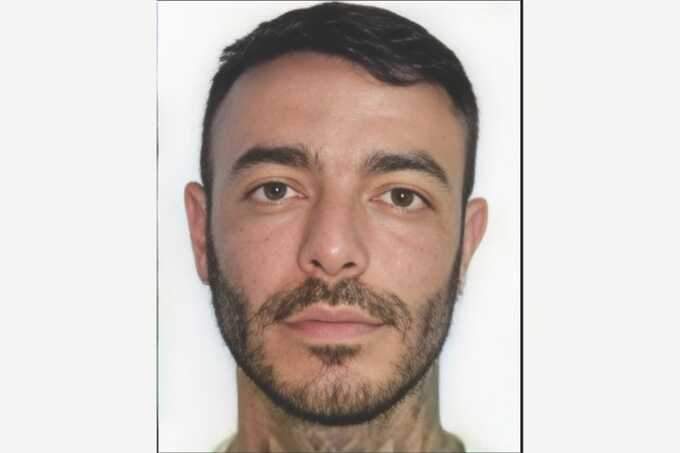
Attorneys for the accused South American drug kingpin Sebastián Marset have filed motions to dismiss all drug trafficking, money laundering, and narco-terrorism charges against him, challenging the U.S. government’s authority to prosecute the case.
Marset is seeking a complete dismissal of the indictment, alleging that agents of the Drug Enforcement Administration (DEA) interrogated him without advising him of his Miranda rights, denied him access to counsel, and brought vindictive charges after he rejected a plea deal. His defense team has also filed motions accusing DEA agents of attempting to extort cryptocurrency from him.
However, Marset’s primary defense rests on a novel jurisdictional argument. His lawyers contend that the United States lacks the authority to prosecute him because the alleged offenses took place outside the country. Prosecutors accuse Marset of leading a massive cartel that shipped cocaine from South America to Europe, with illicit proceeds allegedly wired back to South America through banks in Hong Kong and China.
According to court filings, federal jurisdiction hinges on a single financial transaction. Prosecutors allege that one wire transfer - sent from a Chinese bank to a Portuguese account by Marset’s alleged co-conspirator, Federico Ezequiel Santoro Vassallo - routed through a U.S. correspondent bank server located in Richmond, Virginia. Santoro has since pleaded guilty and is cooperating with prosecutors.
Marset’s lead attorney, Robert Feitel, argues that a single automated server transfer is insufficient to establish U.S. jurisdiction, noting that Marset was never physically in Virginia, did not initiate the wire, and could not have known the money would pass through a local server.
“This is the most egregious effort I’ve seen from the United States to assert jurisdiction over things that have nothing to do with them at all,” Feitel, a former federal prosecutor, told OCCRP, adding that he would never have brought charges in Virginia on such grounds. “One transaction, according to the government, came through a Virginia server. We’re talking about one transaction out of 203.”
Marset faces a steep legal battle given the expansive reach U.S. courts typically exercise over international cases with even minimal domestic touchpoints. The U.S. government previously offered a $2 million reward for his capture, and the presiding judge recently denied his request for private visits with his Uruguayan attorney. Still, his defense team remains steadfast.
“To the extent that this case appears to be the first of its kind, it’s because no one else had the temerity” to charge someone based on these facts, Feitel told OCCRP.

World Affairs Correspondent
Read more similar news:
Comments:
comments powered by Disqus