Prince William plans £500m land sell-off to tackle Britain’s housing crisis

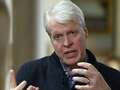
So, now we know Prince William is as good as his word. Last year, in a wide-ranging interview with actor Eugene Levy, he explained how things would be different when he succeeds his father. As he discussed his future role, he said: “I think it’s safe to say that change is on my agenda – change for good,” adding: “And I embrace that, and I enjoy that change – I don’t fear it.”
Some six months later, there are clear hints at the scale of his ambition for the pace of that change. The Prince of Wales is reportedly set to sell 20 percent of the Duchy of Cornwall over the next decade, aiming to raise £500m. This huge sum has been earmarked for investing back into the country and will be used to help tackle the housing and nature crises.
Given his father’s long-held green beliefs, this may not seem so remarkable on the surface. The King has also been a fervent supporter of handsome, affordable public housing. In 2013, he, then Prince of Wales, began developing Nansledan, a major suburb of Newquay, Cornwall, with residents moving in only two years later. It’s like a mini-Poundbury – Charles’s neo-classical Dorset housing venture. And, like Poundbury, it’s been mocked by progressive architects and adored by residents.
The difference is that William is planning to sell land. This is significant because one of the reasons the aristocracy has remained so rich for so long is that it feels hefted to its land. They might sell their knick-knacks, but they hold on to the land – and, as the old property developer’s line goes, they aren’t making any more of it. So it gains in value over the centuries.
Yes, the Duchy has sold land before. In 2005, it sold off its retail holdings in Kennington, leaving a commercial portfolio of 18 properties, worth £124m. Most of its Kennington residential buildings were sold to the London & Quadrant housing association in 1990.
But agricultural land sales are usually the last straw in grand circles.
At the heart of William’s radical sale is his long history of campaigning on homelessness. His late mother took him to visit the homeless from a young age. William, a millennial prince, also must understand that housing is an issue that affects his generation, at a time of ever-soaring rents.
Even he – to a minor extent, admittedly – understands the concept of rent. It’s just been revealed that he’s paying £307,500 a year for his new forever home in Windsor. He also voluntarily pays income tax. Earlier this month, The Sunday Times reported Prince William pays up to £7m in income tax a year, which puts the heir to the throne in the top 0.002 percent of taxpayers in the UK.
OK, this isn’t that staggering for a man who instantly became a billionaire on becoming Prince of Wales in 2022, when he inherited the private estate of land worth around £1.1bn that has been passed on to every heir to the throne since the 14th century.
But these are all signals of a bold departure from how things have been done in the past, and that he knows he needs to modernize to stay relevant. By announcing this move, he is saying that he gets it; that there has to be more accountability and transparency, especially in light of previous allegations of ambulances being charged for parking on Duchy land and him receiving £1.5m rent a year from taxpayers for Dartmoor Prison, even when it was out of action because of toxic gases on-site.
He will be aware of the acute problems with housing shortages in Cornwall – where holiday home owners drive up property prices but leave their houses empty for much of the year. Some local authorities have tried to ban outsiders from buying homes or whacking up council tax on second homes. But these measures risk killing the golden goose of tourism, the biggest business in Cornwall.
Building affordable housing, as William plans to do, is the answer. It should be a model to other great estate-owners across the country. Many of them are already longing to build on their land, but they are prevented by planning controls and nimby protests.
His father’s Poundbury model could be the answer. Build homes and the buyers will come – and the complaining neighbors, far from objecting, will welcome the move, as their own house prices grow by proximity to beauty. Charles has always been adamant, too, that Poundbury should provide its own on-site employment in ventures like Dorset Cereals, so these pretty new communities don’t become dormitory towns, emptied out by departing commuters during the day.
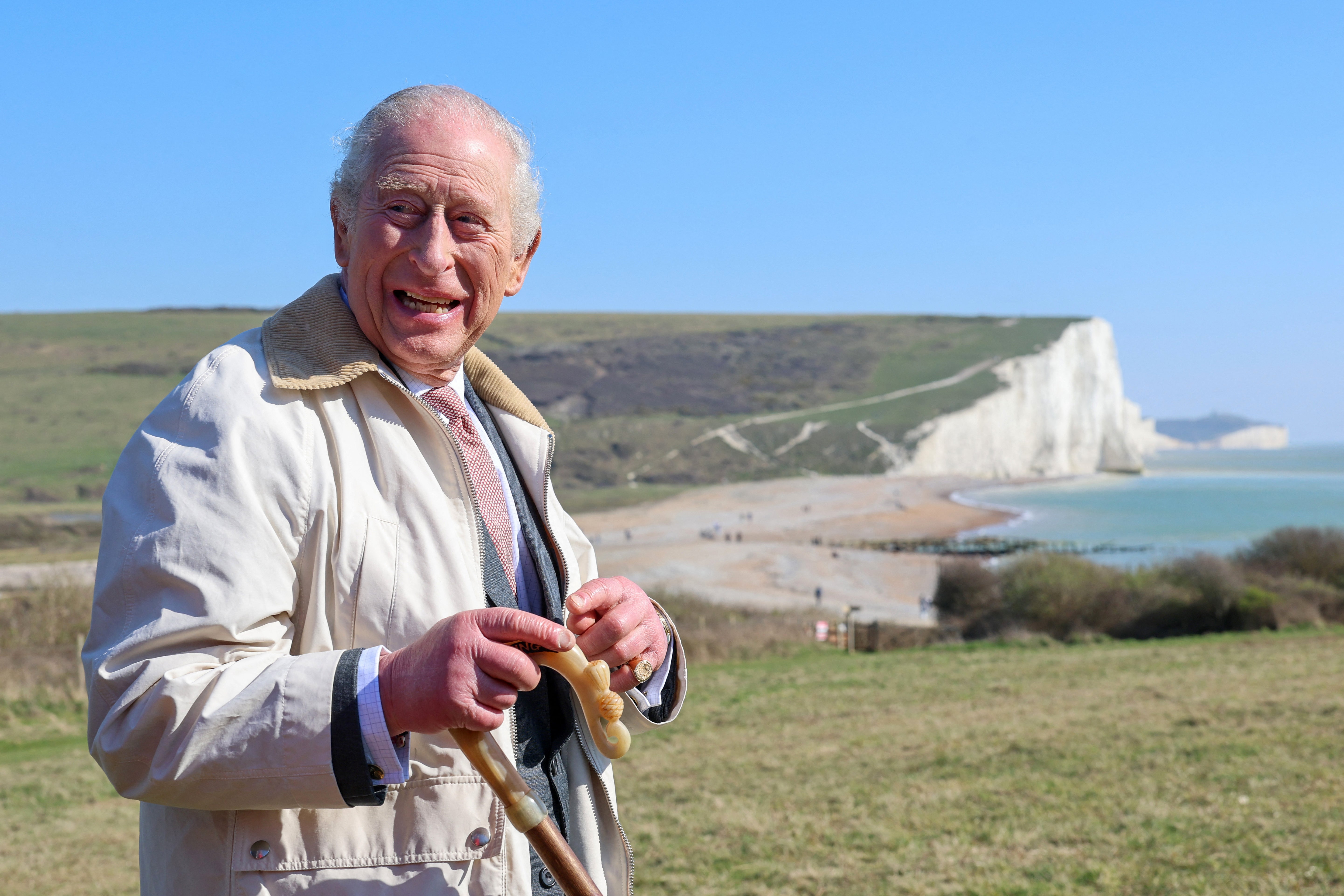
Prince William is clearly thinking of people’s priorities in the UK today. He is right to believe that housing is right at the top of that list. Perhaps he might now, in turn, influence his father’s interests in the Crown Estate and the Duchy of Lancaster, which together fund the King. Those two ancient bodies might also start selling off land for affordable housing.
It would be a mightily effective riposte to the undeniable charge that the King and the Prince of Wales are in their super-gilded positions thanks to a colossally lucky accident of birth. The Crown Estate was a Norman creation. The original Duchy charter in 1337 means that, as well as much of Cornwall, William now owns 135,000 acres, with many of those acres in Devon. His estate also extends into Somerset and Herefordshire and includes most of the Isles of Scilly.
Whenever Charles bought new land – such as Highgrove in 1980 – or in Wales in 2006, or in the Port Eliot estate in 2014, it became part of the Duchy. The Duchy income pays for William’s staff and outgoings, but there’s still plenty left over. Even though the Duchy has sold much of Kennington, it still owns Oval Cricket Ground, Lambeth County Court and houses, and commercial property across the borough.
William’s progressive housing plans could become a model for the government. A progressive royal family could work as an exemplar of how to run things in so many areas, and more importantly, help fund them from their huge wealth
How impressive then if William sells off some of that urban land for social housing or builds some of his own in an area of London that encompasses great wealth in fine Georgian and Victorian buildings and deep pockets of poverty on its housing estates.
And why stop there? The accidental advantage of a 1,000-year-old monarchy is that its land-owning tentacles reach across the nation.
The King’s Duchy of Lancaster, founded in 1351, has land in Cheshire, Derbyshire, Lincolnshire, Lancashire, Yorkshire, and Staffordshire. All those areas have housing problems. How magical if the King were to emulate his son and sell land for housing or build more social housing himself across his spreading acres.
William’s progressive housing plans could become a model for the government. Keir Starmer, like most recent prime ministers, has gone through the same old charade of promising vast new house-building schemes, only for them to collapse in a morass of incompetence and bureaucracy. A progressive royal family could work as an exemplar of how to run things in so many areas, and more importantly, help fund them from their huge wealth.
As the King showed on his recent visit to the US, the monarchy has a role to play. In a 30-minute speech to Congress, he managed to do more than the Foreign Office could ever do in building bridges with Donald Trump, while delivering a masterclass in soft power and applying the most subtle rap across the president’s knuckles.
While he was Prince of Wales, Charles used his position to road-test outspoken views he couldn’t air as a king – thus the famous “black spider” letters to government ministers and outspoken speeches on architecture and the environment.
Now, William is doing the same, converting his thoughts on homelessness and housing into bricks and mortar. It is something he can build upon from here.

World Affairs Correspondent
Read more similar news:
Comments:
comments powered by Disqus