Farage’s inner circle under scrutiny as HMRC probes George Cottrell’s finances

The finances of one of Nigel Farage’s key confidants are being examined by the UK’s tax and revenue authorities amid questions over his income from wealth and business activities, the Guardian understands.
The scoping exercise by HMRC is said to be focused on tax residency and the business affairs of George Cottrell, whom Reform UK’s leader Farage has described as “like a son to me”.
Known as “Posh George”, Cottrell, 31, leads an expensive lifestyle, frequently traveling around the world and regularly using a £4m house in one of the wealthiest areas of west London.
Cottrell has emerged as a senior figure within Reform’s leadership and supporter network at a time when the party is surging ahead in the polls.
A recent BMG poll for the i newspaper put the party on 35% – 15 points ahead of Labour.
While Cottrell does not hold an official role, party insiders refer to him as part of Farage’s inner circle when it comes to policy developments, party funding and political strategy – particularly its growing presence on social media.
Lawyers for the British businessman said he was “not aware” of any “probe or inquiry” by HMRC or other authorities. They declined to answer a range of specific questions about his financial affairs.
Cottrell runs Geostrategy.com, which states that it advises political parties and governments, according to information provided by his lawyers. Its website says that it has four locations: London, Washington, Podgorica in Montenegro and Zurich, Switzerland.
He is also working on a book titled How to Launder Money, alongside an international financial investigator. Publicity materials for this book describe it as a “guide for law enforcement, prosecutors and policymakers” which “provides concrete recommendations on how to reduce the crime associated with money laundering”. It also states that Cottrell’s proceeds from his book will go to “charitable causes”.
Cottrell has provided financial support to Farage, paying £15,000 for flights to the US for the party leader last year, at a time when Cottrell is understood to have claimed he was tax resident in Montenegro. In 2024, his mother, Fiona Cottrell, gave £750,000 to the party, according to public records.
UK political parties can only accept donations from individuals on the UK electoral register, unless it is for the cost of a trip overseas, in which case foreign residents can help fund the travel.
The finances of one of Nigel Farage’s key confidants are being examined by the UK’s tax and revenue authorities amid questions over his income from wealth and business activities, the Guardian understands.
The scoping exercise by HMRC is said to be focused on tax residency and the business affairs of George Cottrell, whom Reform UK’s leader Farage has described as “like a son to me”.
Known as “Posh George”, Cottrell, 31, leads an expensive lifestyle, frequently traveling around the world and regularly using a £4m house in one of the wealthiest areas of west London.
Cottrell has emerged as a senior figure within Reform’s leadership and supporter network at a time when the party is surging ahead in the polls.
A recent BMG poll for the i newspaper put the party on 35% – 15 points ahead of Labour.
While Cottrell does not hold an official role, party insiders refer to him as part of Farage’s inner circle when it comes to policy developments, party funding and political strategy – particularly its growing presence on social media.
Lawyers for the British businessman said he was “not aware” of any “probe or inquiry” by HMRC or other authorities. They declined to answer a range of specific questions about his financial affairs.
Cottrell runs Geostrategy.com, which states that it advises political parties and governments, according to information provided by his lawyers. Its website says that it has four locations: London, Washington, Podgorica in Montenegro and Zurich, Switzerland.
He is also working on a book titled How to Launder Money, alongside an international financial investigator. Publicity materials for this book describe it as a “guide for law enforcement, prosecutors and policymakers” which “provides concrete recommendations on how to reduce the crime associated with money laundering”. It also states that Cottrell’s proceeds from his book will go to “charitable causes”.
Cottrell has provided financial support to Farage, paying £15,000 for flights to the US for the party leader last year, at a time when Cottrell is understood to have claimed he was tax resident in Montenegro. In 2024, his mother, Fiona Cottrell, gave £750,000 to the party, according to public records.
UK political parties can only accept donations from individuals on the UK electoral register, unless it is for the cost of a trip overseas, in which case foreign residents can help fund the travel.
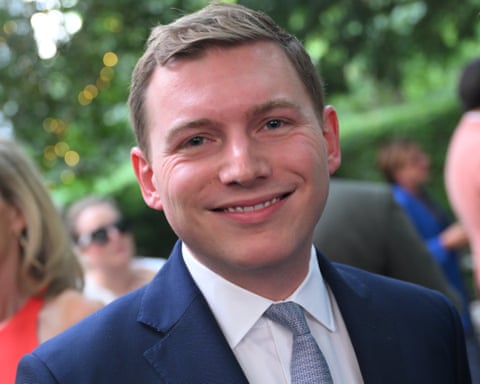
Sources with knowledge of the examination of his finances have said scrutiny is under way by HMRC. At present, HMRC’s interest is understood not to be a formal investigation. The tax authorities could ultimately decide to take no further action if they are satisfied Cottrell has paid the right taxes.
Questions over his income from wealth and business activities are understood to have in part been due to Cottrell’s continued pursuit of high-stakes gambling, sources told the Guardian.
In 2017 he was jailed for eight months in the US after pleading guilty to wire fraud, after he offered money laundering services on the dark web.
At that time he characterized himself as having “a years-long multimillion-dollar gambling addiction” and his legal representative said he would seek treatment in order to stop, blaming it for triggering his illegal activity.
Gambling can result in large sums of money moving in and out of bank accounts and therefore spark the interest of HMRC, causing officials to reassess an individual’s finances.
Questions over compliance with tax residency rules can also be another trigger for tax officials. Authorities are understood to be paying particular attention to Cottrell’s use of the multimillion-pound property in west London.
Non-UK residents do not have to pay UK tax on their overseas income, providing they spend no more than 90 days a year in the country.
Longer stays can mean that an individual is treated as a resident for tax purposes, and tax authorities conduct strict tests to assess compliance, including checking for “significant ties”, such as whether an address is available to them for a continuous period of 91 days or more during a tax year.

Politics Editor
Read more similar news:
Comments:
comments powered by Disqus