Iran moves to criminalise contact with “hostile” foreign media
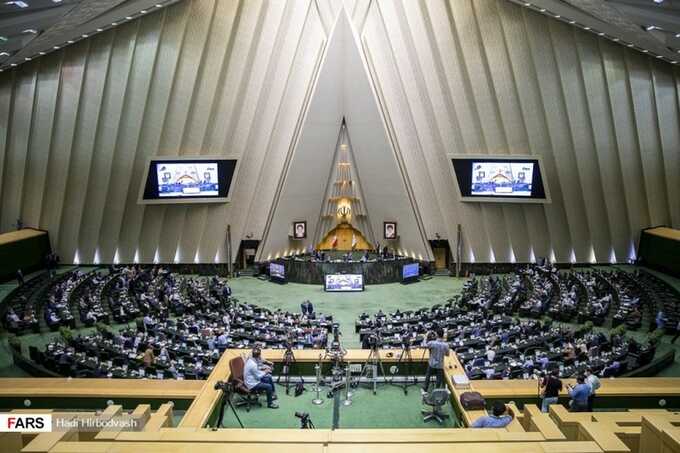
Iran’s parliament has approved the general framework of a bill that would criminalize speaking to or sharing data with foreign media outlets deemed "hostile." Human rights groups warned that the move is a dangerous attempt to isolate the country from the outside world and hide evidence of internal dissent.
The preliminary vote advances legislation that would prohibit citizens from giving interviews, communicating, or sharing information with external news organizations, particularly those affiliated with the United States or Israel. Under the draft bill, violators face between six months and two years in prison, RFE/RL’s Persian section, Radio Farda, reported.
Iranian officials framed the proposed law as a vital national security measure. Abbas Goudarzi, a spokesman for the parliamentary presidium, told state media that any communications that “facilitate foreign influence” over Iran would be outlawed under the new statute.
To become law, the bill’s specific provisions must be debated by lawmakers and in the end approved by the Guardian Council, a 12-member body of clerics and jurists responsible for vetting all legislation for compliance with Islamic law and the Iranian constitution.
International rights watchdogs described the draft law as part of a rapidly escalating state campaign to silence critics and isolate the population.
Bahar Saba, senior Iran researcher at Human Rights Watch, told OCCRP that the bill was “the latest in a series of fast-tracked legislative measures” aimed at curbing dissent.
“It comes just weeks after the Ministry of Intelligence issued a directive officially designating an extensive list of media outlets, human rights organizations, journalists and human rights defenders as ‘hostile’ or ‘enemy’ entities,” Saba said. She added that, over recent months, dozens of Iranian protesters and government critics had been executed on “vague charges of ‘cooperation with hostile states.’”
Carlos Martínez de la Serna, Committee to Protect Journalists’ chief programs officer, told OCCRP that the proposed law “threatens to close one of the few remaining avenues for independent reporting from inside the country” and would turn “routine acts of journalism… into crimes.”
“This bill is the latest step in a years-long campaign by Iranian authorities to tighten control over information,” Martínez de la Serna added, citing a history of internet shutdowns, censorship, and national-security charges targeting members of the press.
Other advocacy groups warned that the law would formalize a complete blackout on news emerging from the country.
London-based Index on Censorship expressed its deep concern over “reports of a sweeping new bill that criminalises speaking to journalists and unauthorized contact with foreign embassies,” the nonprofit said in a statement on X.
In a separate statement, Washington-based NGO Freedom House warned that “the Iranian regime wants to make it a crime to show the outside world what is happening inside Iran.”

World Affairs Correspondent
Read more similar news:
Comments:
comments powered by Disqus