Uganda declared Ebola-free as deadly outbreak continues in Congo
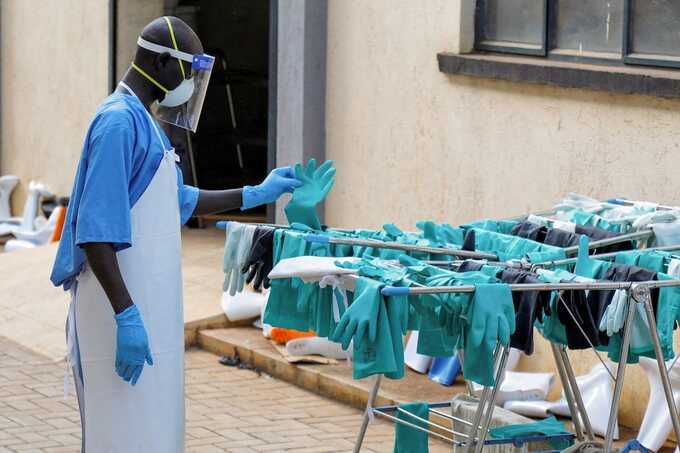
Uganda has declared itself "free" of Ebola after the last patient was discharged in mid-June, marking a significant step even as the virus continues to affect a remote part of neighbouring Congo. Ugandan authorities said the outbreak in the country was linked to the wider outbreak in eastern Congo’s Ituri province, which shares a land border with Uganda.
The health ministry said the first cases in Uganda involved Congolese people who crossed the border to seek treatment for an unknown illness before it was known they had Ebola. Congo declared its outbreak on May 15, the same day Uganda confirmed two Ebola cases, including a man who had already died.
In a statement on Tuesday, Uganda’s Ministry of Health said: "Unlike previous Ebola outbreaks that informed the current 42-day declaration policy, Uganda’s 2026 Ebola outbreak arose from a fully documented importation event." It added that Uganda could now be declared free of Ebola after "all identified contacts were institutionally quarantined and completed the mandatory 21-day follow-up without evidence of further transmission. Enhanced surveillance has detected no unexplained community transmission."
The outbreak was caused by the Bundibugyo type of Ebola virus, for which there is no approved vaccine or treatment. The regional outbreak has been declared a global health emergency. Ugandan authorities, who have experience in quickly containing Ebola outbreaks, took a series of steps after cases were confirmed in May. The president urged people to "stop shaking hands" and postponed an annual religious event near Kampala in June that draws thousands of pilgrims from Congo and elsewhere.
Other measures included suspending all public transport and flights between Uganda and Congo, where the outbreak remains a concern. In an overnight update, Congo’s Ministry of Health said confirmed cases had reached 3,262. Data from Congolese health authorities showed that 1,437 patients had died, and officials have described it as the fastest Ebola outbreak on record. The number of cases is likely to overtake the country’s previous highest toll in the next few days. That earlier outbreak lasted two years, while this one is only 10 weeks in.
Only the 2014-2016 West Africa outbreak had a higher toll, with 28,000 cases and more than 11,000 deaths. The fast spread in the current outbreak has raised concerns among residents that some communities in the affected provinces are unreachable or have been left without responders in recent days following attacks by angry residents and rebels. Tracing and isolating contacts is seen as crucial to stopping the disease, which usually appears as haemorrhagic fever. The World Health Organization says a family of fruit bats is believed to be the natural host of the viruses that cause Ebola, which spreads through contact with the bodily fluids of an infected person or contaminated materials.
Uganda’s declaration marks the end of its outbreak after contacts completed quarantine and no further community transmission was detected, but the larger outbreak in neighbouring Congo continues to spread rapidly.

Politics Editor
Read more similar news:
Comments:
comments powered by Disqus