Labour MP warns Russia is "chapping on the door" of NATO countries
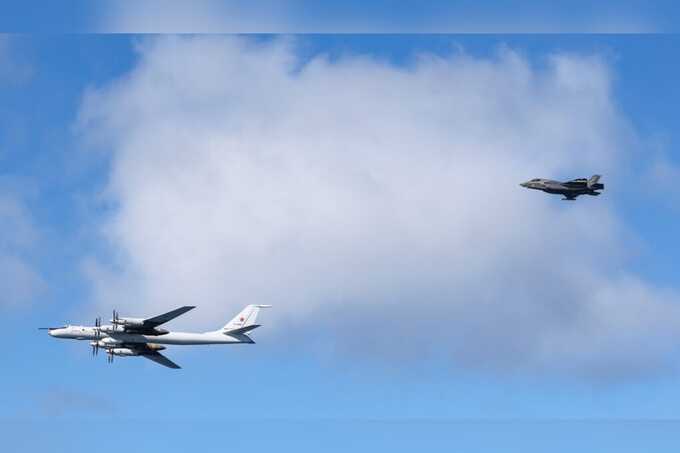
Russia is “chapping on the door of NATO countries,” Labour MP Frank McNally has warned, in a debate over the Defence Investment Plan, Trident and the nature of the threat facing the UK that is well worth a listen in full on the Go Radio Politics Show.
Host Bernard Ponsonby opened the defence segment with the numbers, noting that the long saga over the plan led to John Healey’s resignation and prompted Lord Robertson to warn his own government to get real about resources, with the £15 billion pledged sitting £13 billion short of what defence chiefs wanted, the UK reaching 2.7 per cent of GDP rather than NATO’s 3 per cent by 2030, and part of the money left to be found at the Budget later this year, giving the new Prime Minister what he called a headache on two fronts.
McNally, the MP for Coatbridge and Bellshill, mounted the government’s defence of the plan, telling listeners the threat is absolutely real with an ongoing conflict in Europe, risks from Iran, China and cyberattack, far-right influences from the US infiltrating British politics and challenges from the shadow fleet, and backing the Chief of the Defence Staff’s assessment that this is the most dangerous and perilous time in his lifetime. Labour is increasing defence spending by 27 per cent, he said, with more than £298 billion spent over the next four years, while arguing the government must follow its fiscal rules because “if we lose control of the economy, we are unable to deliver the investment that we want to deliver in defence.” He also pointed to an opportunity for Scotland, with the UK government looking to fund two defence technical excellence colleges north of the border and asking the Scottish Government to contribute £10 million, which he said the SNP has yet to answer.
Ponsonby put the question directly to the Labour MP, asking whether, given that Robertson and Healey both consider the spending insufficient to meet the threat, “what is driving the resources which you give to defence are the fiscal rules, not the nature of the threat.” McNally replied that the plan is a critical step rather than an end point, with further review and analysis of evolving threats to come.
For the SNP, MSP Michelle Campbell argued the plan is not enough but that the deeper failing is the absence of a fundamental review of foreign policy oriented towards preventing conflict, questioning what the £5 billion for drones means in practice and telling listeners that Trident, at £205 billion over its lifetime, “sits on our shores and does nothing.” Pressed by Ponsonby on whether scrapping the nuclear deterrent means closing Faslane, she said it does not, arguing the base’s future lies with a modern conventional naval fleet, and cited the fall in troop numbers from around 315,000 half a century ago to under 138,000 today.
Patrick Harvie of the Scottish Greens told Ponsonby the question of where the threat comes from was a profoundly important one, acknowledging genuine dangers from Russia, cyber and hybrid warfare, Iran and China, alongside what he described as efforts from the far right in the US to destabilise European democracy, while arguing that nuclear weapons are not a relevant response and that the conditions for peace, from climate, food and water security to development funding, are going unfunded. Spending ever more on defence without addressing those, he said, is like having no public health programme and expecting more hospitals to make the country healthier, and he challenged the refusal to change fiscal policy while “super rich individuals and super rich corporations” pay little tax.

Technology & Business Editor
Read more similar news:
Comments:
comments powered by Disqus