Russia’s Voronezh rocket project hit by funding crisis and technical failures
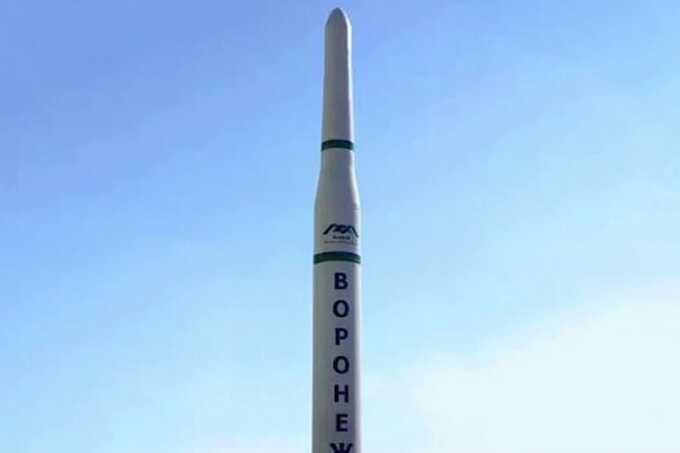
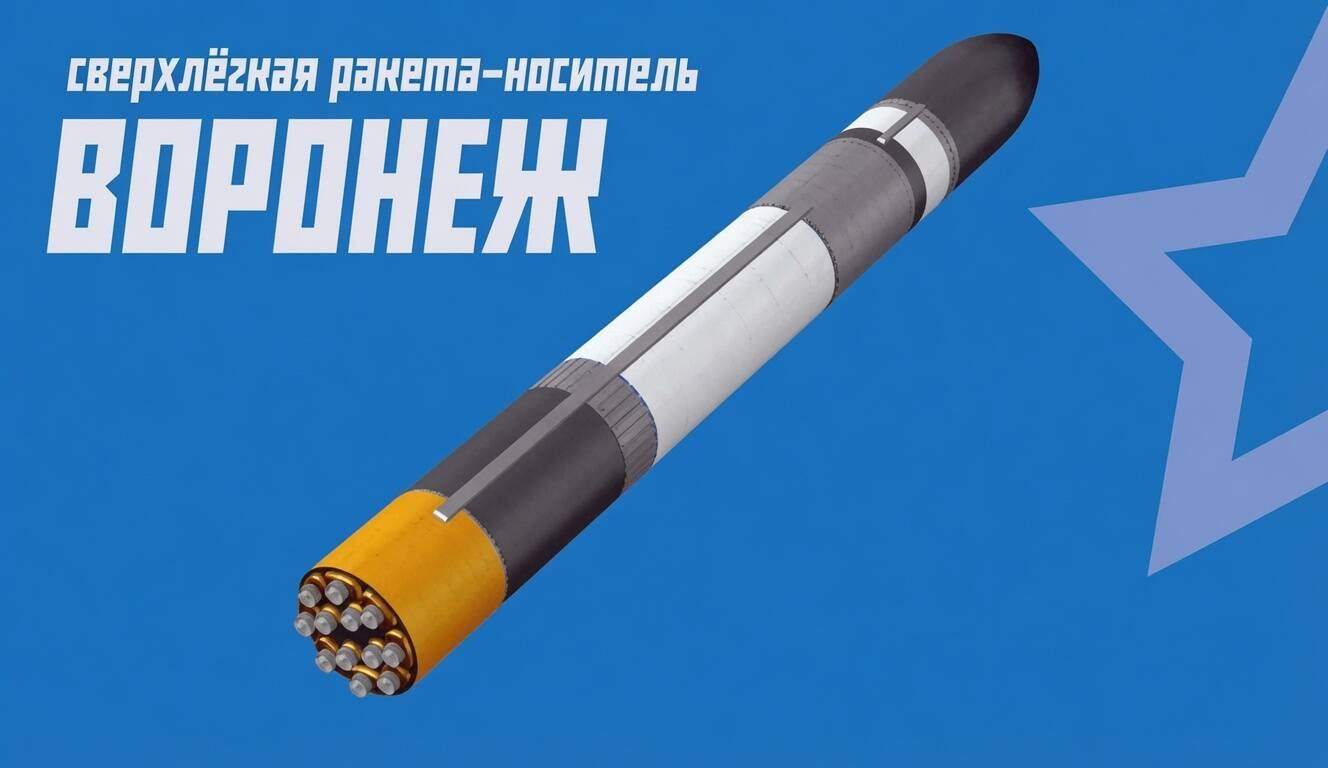
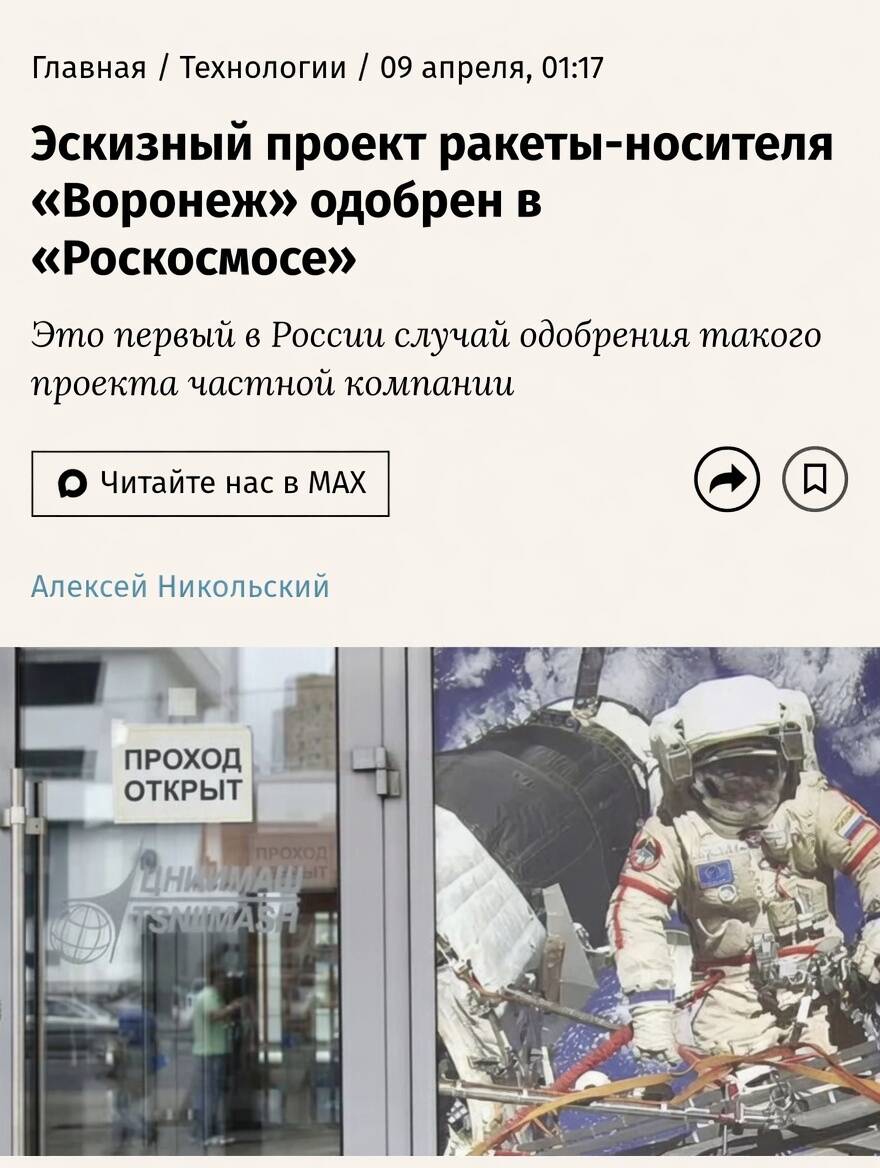
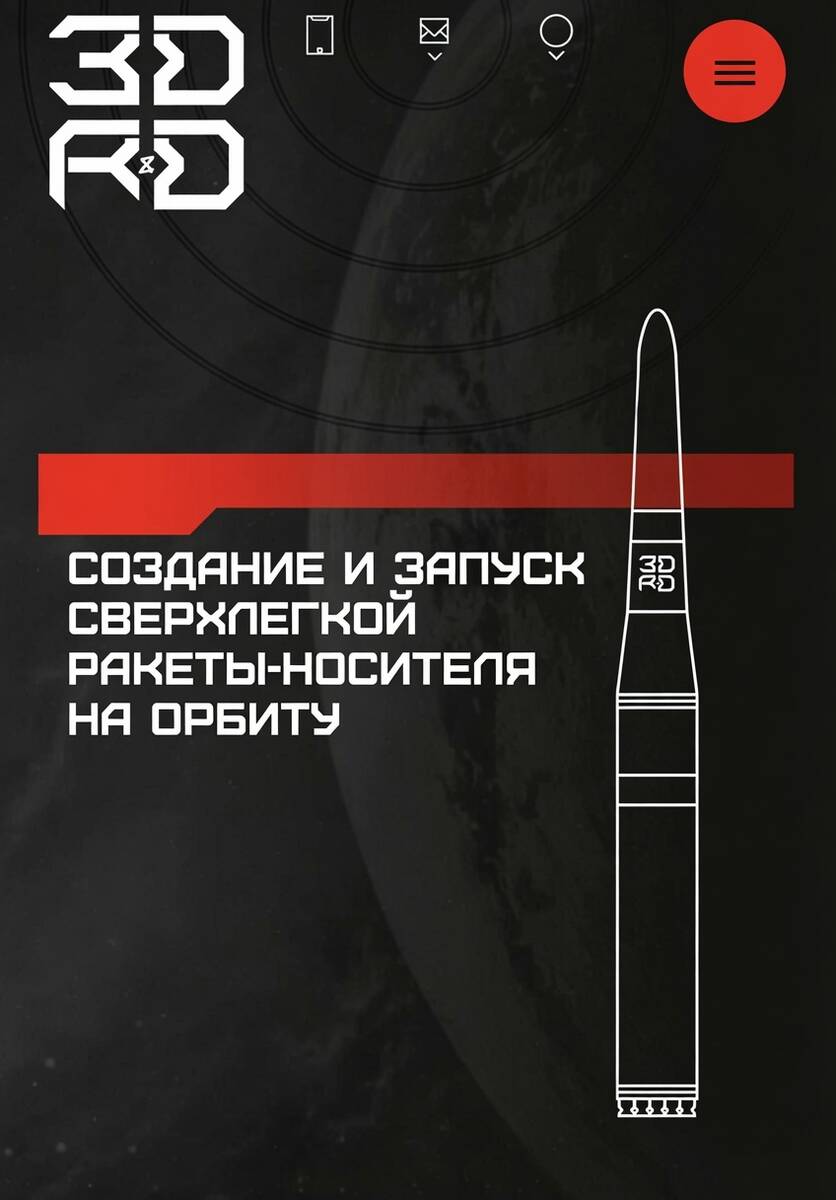
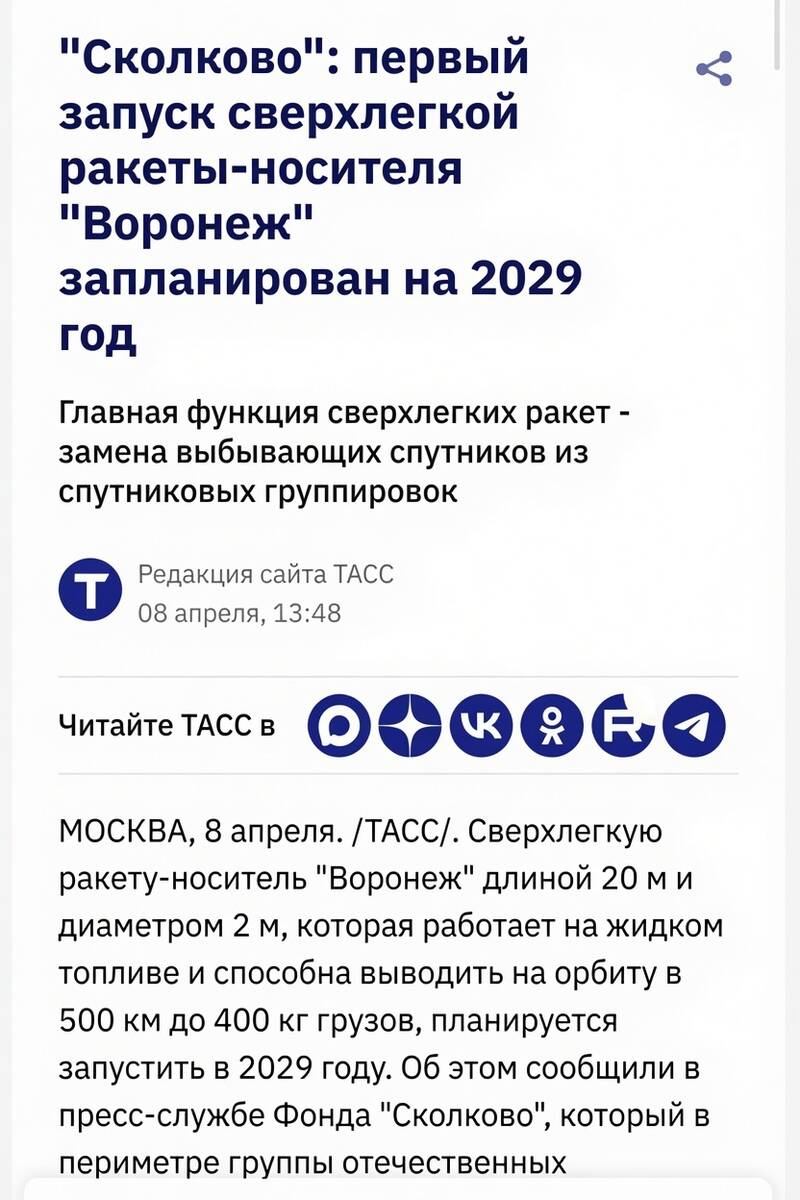
Private company VKT and its partner, 3DIiR LLC, are promoting the Voronezh launch vehicle project. The developers claim there is strong interest from businesses and foreign partners, but industry experts consider the project technically and financially unrealistic. Investigative journalists reviewed the available facts and figures.
The project lists the following participants:
-
SNIU — development of the propulsion system, stabilization engines, and second-stage ignition systems.
-
UEC-Kuznetsov PJSC — development of the NK-3A and NK-3V engines.
-
3DIiR LLC — rocket structural design.
-
Miltech LLC — onboard systems integration.
The financial requirements are substantial. The developers are currently seeking 400 million rubles to prepare the working design documentation. However, specialists estimate that developing a complete space launch system would cost more than 2.5 billion rubles, several times higher than the privately announced initial budget.
The staffing situation appears equally problematic. According to experts, the design bureau at UEC-Kuznetsov, tasked with developing the new engines, has been reduced to only five specialists, a fraction of what was once a major engineering team. The company is reportedly facing serious financial difficulties and continues producing engines for the Soyuz-2 launch vehicle largely due to state subsidies. Experts argue that expecting such a small team to develop an entirely new rocket engine program is unrealistic.
The developers identify Russia’s Ministry of Defense and Ministry of Digital Development as potential customers. However, representatives of neither ministry reportedly participated in drafting the project’s technical requirements. In the aerospace industry, technical specifications are typically prepared by the customer based on operational needs. Experts warn that bypassing this process could result in costly redesigns, changing requirements, and significant delays. They also describe the project’s technical documentation as insufficiently developed.
Another major concern is that the project initiators reportedly do not hold a license to work with classified state information, and the project does not include a military acceptance process. According to experts, this would effectively prevent the Voronezh rocket from being used for military or other classified government missions, undermining claims of interest from Russian security agencies.

Deputy Editor
Read more similar news:
Comments:
comments powered by Disqus