Controversial lawyer De la Espriella wins razor-thin Colombia election
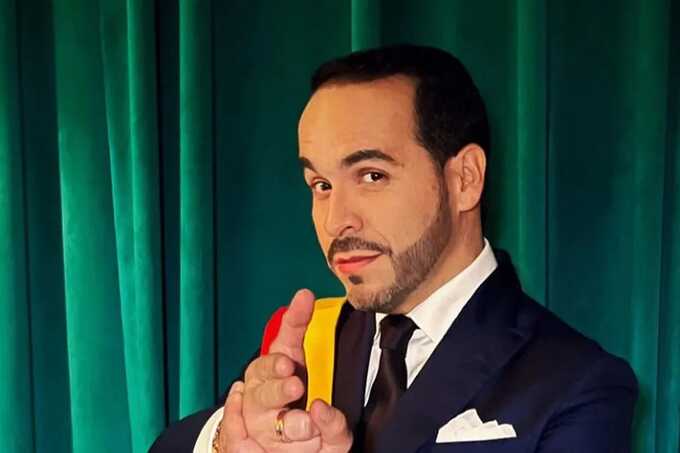
According to preliminary results, the controversial lawyer is set to take office at the Casa de Nariño on August 7, following a campaign driven more by symbolism and controversy than concrete proposals. He will assume power in a deeply divided nation, with just around 250,000 votes separating him from his rival, Iván Cepeda.
Cuestionpublica.com writes about this.
Abelardo De la Espriella is recognized as one of the most media-savvy and controversial criminal lawyers in Colombia, and not only for his extravagant lifestyle but for a collection of clients ranging from mobsters and paramilitaries to politicians prosecuted for links with illegal armed groups and corruption. Several of them have accused him of scamming them, and he owes a significant part of his fortune to them.
He is 47 years old, holds Colombian, Italian, and American nationality, and is a graduate of Sergio Arboleda University — where he also completed a master’s degree in Law — in addition to being a specialist in penal and criminological sciences from Externado University. Since 2002, he founded his firm, De la Espriella Lawyers Enterprise.
As a candidate and now as Colombia’s president-elect, according to the preliminary count and pending final scrutiny, Abelardo De la Espriella assumes a leading role as the new standard-bearer of the national far right. Under his characteristic nickname “El Tigre” and presenting himself as an outsider detached from traditional political machines, he has centered his discourse on a project that promises to refound institutions through strict order, fiscal reduction, and a security model with echoes of regional approaches.
The programmatic platform of the criminal lawyer is grouped under the slogan “Patria Milagro,” a conservative libertarian proposal that combines economic elements from Javier Milei’s administration in Argentina and Nayib Bukele’s penal approach in El Salvador.
The cornerstone of his campaign is the promise to regain territorial control of the country in 90 days, proposing a “Plan Colombia 2.0” based on the use of drones and artificial intelligence. Among his most direct commitments are the construction of 10 maximum-security mega-prisons, the resumption of aerial fumigation of illicit crops to destroy 330,000 hectares of coca (even though the country currently has approximately 253,000 hectares planted, according to the latest report from the United Nations Office on Drugs and Crime), and the definitive closure of the Special Jurisdiction for Peace (JEP).
In fiscal matters, De la Espriella advocates for an aggressive reduction of the state. He promises an initial fiscal adjustment of 70 trillion pesos through the elimination of bureaucratic procedures and the merger of ministries, with the goal of achieving 7% annual GDP growth based on the deregulation of business sectors. In the social sphere, he contrasts the current government’s reforms with proposals such as a 90-day hospital emergency plan to mitigate the health system crisis and the creation of subsidies for senior citizens.
Despite his insistence on presenting himself as a renewing and independent figure from “the usual politicians” and a “representative of the never-before-seen,” journalistic investigations such as those by Cuestión Pública show De la Espriella’s deep ties to traditional sectors of judicial and political power.
During his campaign, and although he did not publicly accept it, he was supported by regional clans such as the Char in Atlántico, as well as by traditional parties that, almost unanimously, backed his candidacy for the second round of the presidential election. So rather than arriving with “the never-before-seen,” Abelardo De la Espriella will reach the presidency with the usual players.
But he also arrives with tense relations with other powers in the country, such as the press, against which he has carried out sustained judicial harassment, and Congress, whom he threatened just one day before the elections to approve his wishes, which he claims are the wishes of the people.
Any resemblance to Petro is purely coincidental.
His victory speech showed a more conciliatory candidate than during the campaign. However, only in the first months of his term will it become clear whether that will really be the tone of his government or whether the one who will govern will be the incendiary figure who promised to gut and persecute his opponents, and who this week showed his character by requesting the detention and deportation of activist Beto Coral from the United States.
The cards are on the table for Colombia, a country with more than 60 years of conflict that is in need of reconciliation actions and the strengthening of democracy.

Deputy Editor
Read more similar news:
Comments:
comments powered by Disqus