Rural landlords targeted in Labour’s ‘nice pub tax’ business rates overhaul

Rural landlords are to be impacted by a “nice pub tax” under new government guidelines.
HMRC has instructed officials to impose higher business rates on pubs located in “attractive locations,” that play a significant role in the community, or are situated in “character properties.”
Pubs with playgrounds and large car parks will also face higher rates, as will gastro pubs that offer a “premium-priced menu.”
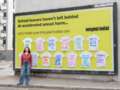
The Tories have labeled the increase as a “nice pub tax,” stating it would result in “last orders for countless beloved watering holes.”
The Telegraph is running a Save Our Pubs campaign, urging Chancellor Rachel Reeves to reduce the tax burden on struggling landlords.

Nearly 40,000 pubs across England and Wales are undergoing a revaluation this year to determine their business rates obligations.
This process assigns a rateable value to each pub, essentially gauging its worth as a business. Pubs then pay a percentage of this value as tax.
The last time this exercise was conducted, pubs were evaluated based on their value during the Covid pandemic, which resulted in lower payments for landlords.

However, valuations are expected to surge this year, leading to significantly higher tax bills that industry leaders warn many in the sector cannot afford.
Sir James Cleverly, the shadow communities secretary, said: “Labour’s business rates raid is exacerbating the struggles of pubs across England. Instead of reducing bills as promised, Rachel Reeves has increased them significantly.
“Now, ministers have targeted some of Britain’s best pubs for particular penalties. Gastropubs, pubs in ’attractive locations,’ and even community pubs are under threat.
“Under Labour, it will be last orders for countless beloved watering holes. The Conservatives are the only party committed to supporting Britain’s pubs. We propose to eliminate business rates entirely for thousands of pubs, restaurants, and shops, fostering stronger high streets.”

Pubs that will have higher values include those in “attractive locations,” such as those with riverfronts or scenic views.
The guidelines suggest consideration of “substantial outside trading facilities that might include children’s play areas with ample parking.”
“Rural houses will be character properties well-maintained with good amenities,” it adds.
Meanwhile, pubs in towns and cities may be more heavily impacted if they serve breakfast, morning or afternoon coffee, or engage in late-night trading.
All establishments will be evaluated on whether they have a “premium-priced menu” and “well-planned facilities to maximize food income.”
Under the revaluation process, pubs are classified into three categories based on location: town and city pubs, “destination houses” in popular areas like tourist spots, and “urban fringe, local and rural houses.”
Officials are allowed some flexibility to decide whether to apply an “upper” or “lower” level for each bracket when determining a pub’s new rateable value, based on location and facilities.
The final business rates bill is determined by applying a government-set multiplier to this value, with the funds going to councils.
They have been lobbying the Treasury and HMRC to alter the criteria for revaluation, but their concerns were disregarded.
Ms. Reeves announced an emergency tax carve-out for the pubs sector during the last Budget to mitigate the most severe increases.
However, she is still expected to generate an additional £12bn from the pubs tax, which will not be re-examined until the next revaluation in 2029.
Labour committed in its manifesto to abolishing business rates in favor of a “fairer” model of taxation that encourages investment.
Allen Simpson, the chief executive of UKHospitality, said: “We have long advocated for complete reform of the flawed business rates system, which has resulted in hospitality sector disproportionately bearing high costs for decades.
A Government spokesperson said: “We’re supporting Britain’s pubs – cutting this year’s business rates bills by 15 percent, followed by a two-year freeze, extending World Cup opening hours, and increasing the Hospitality Support Fund to £10m to help venues grow.
“HMRC’s expert surveyors use standard industry methods that have been used to value pubs for decades.”

Politics Editor
Read more similar news:
Comments:
comments powered by Disqus