Reform UK hit as crypto donations freeze follows foreign interference review

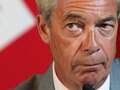
Sir Keir Starmer has announced a temporary ban on cryptocurrency donations to political parties following a government review into political interference, in a major blow to Nigel Farage’s Reform UK.
The government will also cap donations from British citizens living abroad who are still on the electoral register in line with the review by Philip Rycroft, a former home secretary at the Home Office.
Sir Keir told MPs the review set out the "stark threats posed by illicit finance" as he criticized Mr. Farage, whose party has accepted a number of crypto donations.
In the last year, Reform received about £12m from the Thai-based British investor Christopher Harborne, as well as a series of smaller donations from overseas.
An independent review into foreign financial influence warned that Iran, Russia, and China are trying to “cause harm” to the UK’s democracy.
Foreign interference in the UK is “real and persistent” and the government needs to make it a “far higher” priority, it added.
Sir Keir told MPs at PMQs that the government would “act decisively to protect our democracy, which will include a moratorium on all political donations made through cryptocurrencies,” he said. “I hope that will be welcomed.”
The announcement led to immediate calls for Mr. Farage to “return all the crypto donations he’s received from anonymous overseas sources.”
Lib Dem cabinet spokeswoman Lisa Smart said: “Reform taking untraceable secretive crypto-donations to fund their Trump-style politics here in the UK should never have been allowed. Farage must return all the crypto donations he’s received from anonymous overseas sources or admit he’s happy to let foreign sources of money poison our politics in the UK.”
The report was ordered after Reform UK’s former leader in Wales, Nathan Gill, was jailed for taking bribes to make pro-Russia statements while a member of the European Parliament.
The report also calls for a ban on foreign-funded online political ads.
In a sign of the scale of the problem, the report’s authors warned that social media posts on Scottish independence fell dramatically recently when the Iranian authorities cut off internet service inside the country.
It also urged MPs to cap donations from British nationals living abroad.
Mr. Farage was forced to defend a £9 million donation from Thai-based crypto billionaire Christopher Harborne last year, insisting he “wants nothing from me.”
But the donation prompted concerns about political funding, as Mr. Farage publicly promoted Tether, the cryptocurrency company that Mr. Harborne is a shareholder in, shortly after receiving the donation.
Former top civil servant Philip Rycroft urged ministers to legislate for a moratorium in its Representation of the People Bill going through Parliament.
He wrote that this should be seen not as a "prelude to an outright and permanent ban" but an interlude for regulation to catch up to reality.
"The government should legislate in the Representation of the People Bill to introduce a moratorium on political donations made in crypto assets," he wrote.
Few parties accept crypto donations, but Reform UK is the most prominent to do so.
Speaking to reporters, Mr. Rycroft said he had spoken to Nigel Farage’s party while compiling the report.
Asked about the prospect of Reform feeling targeted by the crypto recommendation, he said: "I wasn’t here to look out for the interests of any political party, I was here to look out for the interest of our democratic processes.”
Attempts to use financial influence to infiltrate politics by gaining leverage and sowing division and distrust are not new but "arguably more acute", Mr. Rycroft noted.
He said he was "not pressing the panic button" but "ringing the alarm bell" on the issue and urged the government to "act swiftly" on his recommendations.

Editor-in-Chief
Read more similar news:
Comments:
comments powered by Disqus