Royal Marines deliver £35m blow to drug trade in Middle East operation
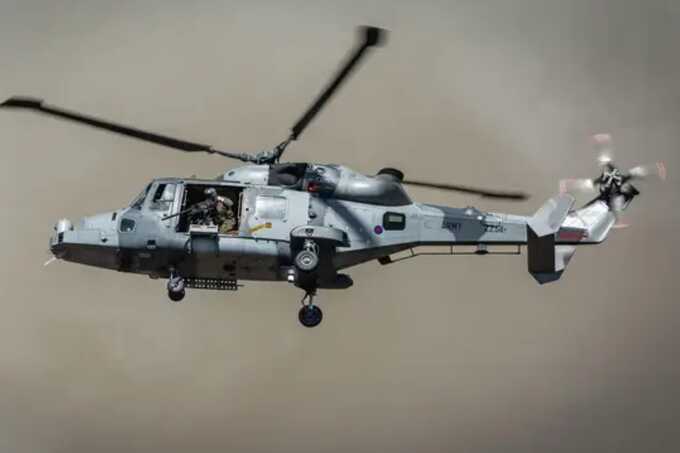
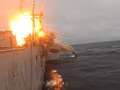
Royal Marines have incapacitated a high-speed drug boat with a single, precise sniper shot in one of the most dramatic counter-narcotics operations the Royal Navy has conducted in the Middle East.
A sniper team from 42 Commando disabled the vessel’s engine with one precise round fired from a Wildcat helicopter launched from HMS Lancaster, stopping the craft as it raced across the Gulf of Oman at more than 40 knots.
The operation delivered a £35 million blow to the illegal drug trade, with more than one-and-a-half tonnes of heroin, crystal methamphetamine, and hashish seized.
It’s the latest in a series of major drug busts by the Royal Navy in the region, marking the first time snipers have used non-lethal disabling fire in Gulf waters—a tactic more commonly utilized in the Caribbean.
Minister for the Armed Forces, Al Carns, said: "Outstanding work by the crew of the HMS Lancaster who stopped and seized £35M worth of dangerous and illicit drugs at sea. Moreover, a well-planned operation culminating in a surgical shot by a Royal Marines sniper disabling the engine of a vessel traveling at 40 knots. That’s excellence at work.
"Not only have our Royal Navy and Royal Marines disrupted a major criminal enterprise and kept drugs off our streets and away from our children, but have once again demonstrated effectiveness, decisive action, and the exceptionally high standard of our Royal Navy and Marines.
"I salute our Royal Navy and Royal Marines for their tireless work keeping us safe at home and strong abroad."
According to the Ministry of Defence, the operation reflects the government’s broader commitment to security, with plans to increase defense spending to 2.6% of GDP from 2027 and a goal of reaching 3% in the next parliament.
The interception began when HMS Lancaster launched its Wildcat helicopter from 815 Naval Air Squadron for a dawn patrol over the Gulf of Oman. The crew identified three fast-moving skiffs and covertly tracked them, relaying live information back to the ship.
A Peregrine mini-helicopter drone was then deployed to continue surveillance undetected, feeding live imagery to Lancaster’s operations room.
After refueling, the Wildcat embarked a Maritime Sniper Team from 42 Commando and moved in to intercept. When the helicopter appeared overhead, the smugglers increased speed and began dumping their cargo to lighten the load.
Two of the three skiffs were abandoned, but one continued its escape attempt until the Royal Marines took aim and disabled its outboard engine with a single round.
Crew from HMS Lancaster’s sea boat then recovered the floating drug packages and located a partially-submerged skiff.
Commander Sam Stephens, Commanding Officer of HMS Lancaster, said: "I’m hugely proud of the team’s professionalism, patience, and skill throughout what was a protracted chase.
"This operation saw Lancaster’s crewed and uncrewed aircraft working hand-in-hand under the direction of the ship’s operations room. The outcome was a highly successful bust, removing large quantities of narcotics from the streets and preventing their profits from fueling extremism."
Wildcat pilot Lieutenant Guy Warry said: "Non-lethal disabling fire has not been seen in the region and was essential in preventing the drug runners from moving their product.
"Being the Wildcat pilot carrying out a live weapons firing on drug-running skiffs while flying backwards to provide a stable platform for the snipers was definitely a career highlight.
"This interdiction is a true testament to the high levels of training that both the flight, MST, and ship have achieved prior to the bust."
HMS Lancaster, a Type 23 frigate, is currently deployed to the Middle East as part of the UK’s long-term mission to maintain maritime security and stability in the region.
The interception follows a previous operation in late May, when Lancaster seized a £30 million shipment of illegal narcotics.

Technology & Business Editor
Read more similar news:
Comments:
comments powered by Disqus