21 September 2026 , 13:04
395
0
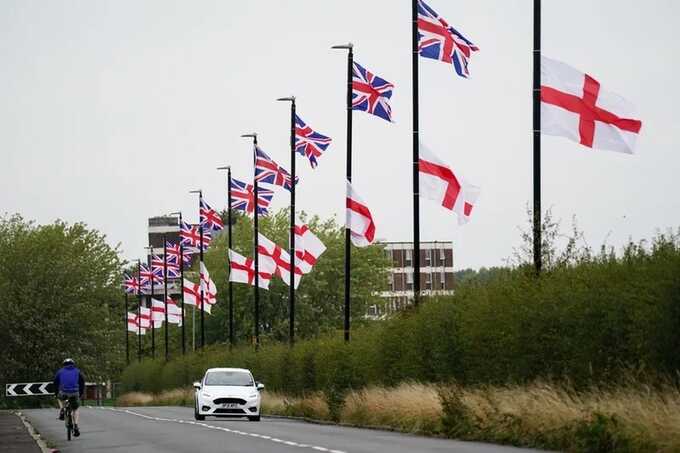
Britons could be jailed or fined for attaching St George flags to publicly owned lamp-posts and railings under new council proposals.
Bristol City Council, which has already spent roughly £50,000 stripping flags from infrastructure across the city, is now exploring whether to seek a High Court injunction.
The idea is modelled on Oxfordshire County Council, which secured a ban on flags on public furniture and has inspired the legal crackdown on flag flying.
Birmingham City Council, one of the authorities revealed to have spent thousands of pounds responding to hoisted St George’s flags in a GB News investigation, has also sought a High Court interim injunction, with court filings suggesting it could spend up to £2.6million.
If such an order is granted, anyone who defies it could face imprisonment, financial penalties, or the seizure of their assets.
Liberal Democrat councillor Stephen Williams described the situation as a frustrating cycle of removal and replacement.
He said: "Unfortunately we’re in a situation where our highways contractors have taken down hundreds of flags, they pretty soon go up again, so we’re in a cat-and-mouse situation.
Mr Williams also warned that fixing flags to lamp-posts poses a safety risk.
He added: "There is divided opinion about the meaning of people putting up flags on council lamp-posts or railings."
The phenomenon dates back to the summer of 2025, when thousands of St George flags began appearing on street furniture in towns and cities across England.
Those responsible said they aimed to celebrate patriotism.
Elsewhere in the West of England, Somerset Council reported that the issue has cost local taxpayers upwards of £2,900 between August 2025 and August 2026, and indicated it would pursue "recovering costs for removal from those responsible".

A council spokesman stressed that "many residents do not support these unauthorised public displays", adding: "If we want Somerset to remain a welcoming and vibrant place then we need to ensure flags are used to foster belonging, not division."
A spokesman for Somerset Council said it will look at "recovering costs for removal from those responsible".
They added: "It’s important to remember that many residents do not support these unauthorised public displays.
"If we want Somerset to remain a welcoming and vibrant place then we need to ensure flags are used to foster belonging, not division."

South Gloucestershire Council has adopted a firmer stance, implementing a dedicated removal policy and labelling unauthorised flags a "serious matter".
Councillors Maggie Tyrrell and Ian Boulton said that while national flags can foster "vibrancy, pride and a sense of unity", their "placement in unauthorised locations and recent campaigns and behaviours linked to the unauthorised display of flags have caused genuine concern among many residents".
Wiltshire Council has opted not to launch a formal enforcement campaign, instead addressing each incident individually.
David Bullock, the council’s director of highways, said: "Our concern isn’t with the flags themselves, but with where they’re displayed."
He noted that "flags, banners and bunting attached to lamp-posts, road signs, roundabouts or other highway infrastructure without permission can create safety risks for road users and pedestrians and may obstruct visibility".
The authority emphasised its obligation to keep highways safe, unobstructed, and accessible to all users.
Bath and North East Somerset Council, meanwhile, has confirmed it currently has no intention of bringing in any measures targeting the hanging of unauthorised flags.

Editor-in-Chief