28 August 2026 , 17:24
616
0
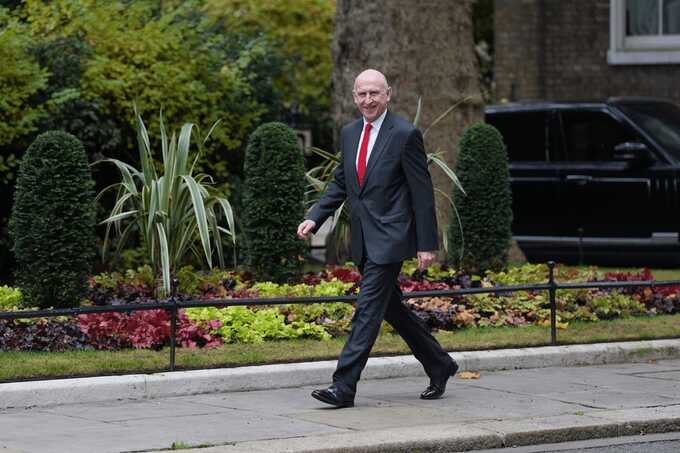
Chancellor John Healey could be forced to contend with a £4billion fiscal headroom hit following the publication of shocking new immigration figures.
Analysis from the Institute of Fiscal Studies (IFS) is sounding the alarm that Britain’s declining immigration projections weigh on the UK’s economic growth outlook.
This warning from the think tank comes just two months before his inaugural Budget on October 28, when the Office for Budget Responsibility (OBR) will publish fresh economic and fiscal forecasts.
The squeeze on headroom against the Chancellor’s central fiscal rule adds to existing strains on the public finances caused by the conflict in Iran, which has pushed up both inflation and Government borrowing costs.
Economists cautioned that the OBR’s final assessment would depend on numerous moving parts, with some factors, such as stronger-than-anticipated wage growth feeding through into higher tax revenue, potentially cushioning the impact.
The Chancellor and Prime Minister Andy Burnham face a challenging fiscal backdrop as they seek to convince markets of their commitment to reducing borrowing amid turbulent conditions in global bond markets.
Much of the pressure stems from the Government’s own crackdown on work, study and family visa routes. Home Office figures released earlier this week revealed a steep fall in arrivals via the skilled worker and health and care worker pathways.
Immigration has served as a significant driver of UK labour force expansion, meaning a slowdown in adult population growth translates directly into a smaller economy and reduced tax revenues.
Nick Ridpath, research economist at the IFS who has been studying the migration data, said: "It will be one of the things that play a role in the Budget. There will be a lot of moving parts from what happened between March and October."
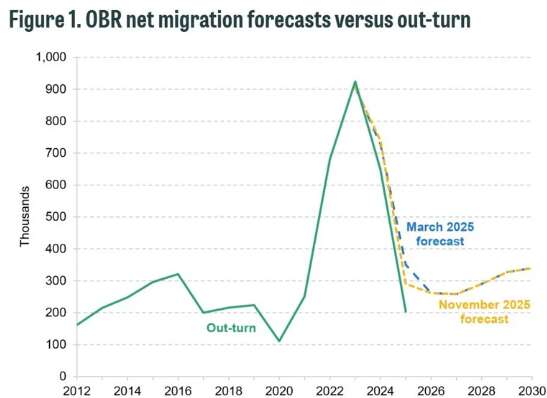
Mr Ridpath said the impact on headroom could fall anywhere between £1billion and £4billion , depending on how the OBR chose to incorporate the latest Office for National Statistics (ONS) population outlook.
"£4billion would be the biggest downgrade they’d be likely to do," he noted, adding that net migration could drop by a further 50,000 annually based on more recent estimates.
Ben Brindle, senior researcher at the Migration Observatory at the University of Oxford, said: "A decline in net migration will have more of a negative impact in the short term than over the longer term, so it is more of a concern for a government that’s living from Budget to Budget."
Beyond the immigration drag, the Iran conflict’s impact on energy prices has driven interest rates higher, heaping additional borrowing costs onto the Government.
Pantheon Macroeconomics estimates these extra charges could erode the fiscal buffer to approximately £15billion, down sharply from the nearly £24billion projected in March.

The OBR forecast in March last year that Labour’s planning reforms designed to boost home construction would generate an additional £3.5billion in Government receipts by 2029-30.
Rob Wood, chief UK economist at Pantheon, said those assumptions were now "clearly at risk" given the Government’s failure to hit its own targets for new homes.
Offsetting some of these headwinds, stronger-than-expected inflation feeding through into wages and income tax could provide a fiscal uplift, though this makes it difficult to predict precisely where the headroom figure will settle.
Mr Healey has pledged to maintain the fiscal rules established by his predecessor Rachel Reeves when she took office in 2024. These require the current Budget, excluding investment, to reach surplus by 2029-30, while public debt as a share of GDP must be falling by the same date.
A Treasury spokesperson said that the Chancellor remained "fully focused on his priorities to boost business, help with the cost of living and support people in every postcode, underpinned by fiscal discipline and a commitment to meeting the fiscal rules with a buffer against uncertainty"

World Affairs Correspondent