29 July 2026 , 09:31
735
0
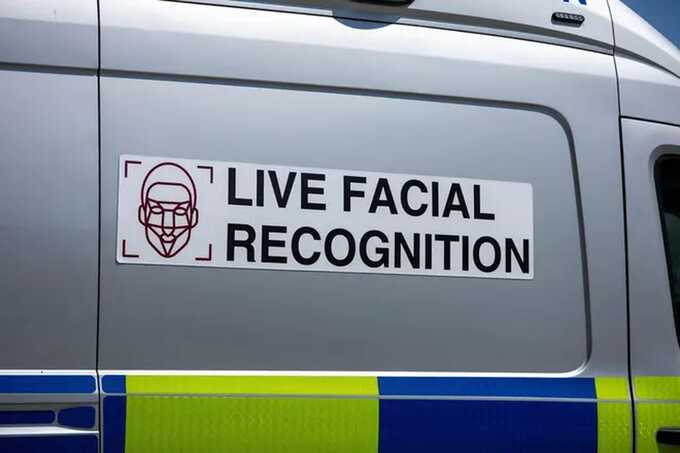
The force says the technology will be deployed in Nottingham city centre as early as next month, targeting hotspot areas where officers already have intelligence about offending.
It marks the latest step in their ongoing efforts against persistent youth anti-social behaviour, with police previously telling LBC that many of those causing the most disruption are aged between 11 and 16 as we joined police on the streets arresting the troublemakers.
Detective Superintendent Will Henley said live facial recognition would give officers “an additional tool” to help keep communities safe and identify wanted people.
DS Henley told LBC the equipment will be taken “wherever there’s intelligence in our hotspot areas across Nottinghamshire".
He said: "We are looking to do our first deployment in the second half of August, and we’re looking to deploy that in the city centre for those very reasons."
This new technology, which is already being used by several police forces, will mean Nottinghamshire Police will be able to take more robust action against nuisance youths, including those already known to officers through Operation View, the force’s city centre anti-social behaviour operation.
The parents of children who repeatedly commit anti-social behaviour in Nottingham could face serious consequences, including the possibility of being thrown out of social housing.
LBC previously reported that officers had drawn up a watchlist of young people believed to be causing the most problems, with names added weekly as part of a wider crackdown.
Police said some of the children involved are already known to officers, with reports including youngsters climbing onto the roofs of empty buildings, throwing eggs, stones and water at members of the public, harassing shop staff and gathering in large groups while wearing balaclavas.
During previous patrols with LBC, officers arrested a 12-year-old boy on suspicion of anti-social behaviour after reports of a disturbance in the city centre, before taking him home to his parents.
DS Henley said the facial recognition system can be used with "all ages, ethnicities, and sex", and said officers would decide what action to take if a match is made.
He said the technology works by converting the faces of people passing the cameras into a biometric image and comparing that against a police watchlist made up of lawfully held images - which we put to the test by adding my face into the watchlist.
Those could include custody photographs, or in the case of high-risk missing people, images supplied by relatives.
"We decide on a deployment-by-deployment basis what we are going to be looking for," DS Henley said.
"The images that will be on the van that the live facial recognition cameras will be looking for will only be those who are known to us or wanted."
He also explained that the technology itself does not make enforcement decisions: "Any matches that we do get, it gives a score, alerts the officers.
"The technology doesn’t make any decisions on behalf of officers. They will then go out and engage with the person that there’s been an alert on, and they will decide, if any, what action to take."
Police say the system will be used overtly, with uniformed officers in the area, warning signs in place and advance notice of deployments published online and on social media.
Mr Henley also sought to reassure members of the public concerned about privacy, saying facial data from people not on a watchlist is deleted: "If they’re not on that watch list, that is instantly deleted, that entire process happens in less than a second.
"We don’t retain any information, and the police don’t have access to any of the information within that process. If you’re not on our watchlist, you’re not affected."
In a six-month trial of "live facial recognition" in Croydon, the Met Police said that crime had fallen by around 10.5% and there was a 21% reduction in offences relating to violence against women and girls.

Technology & Business Editor


