22 July 2026 , 18:49
770
0
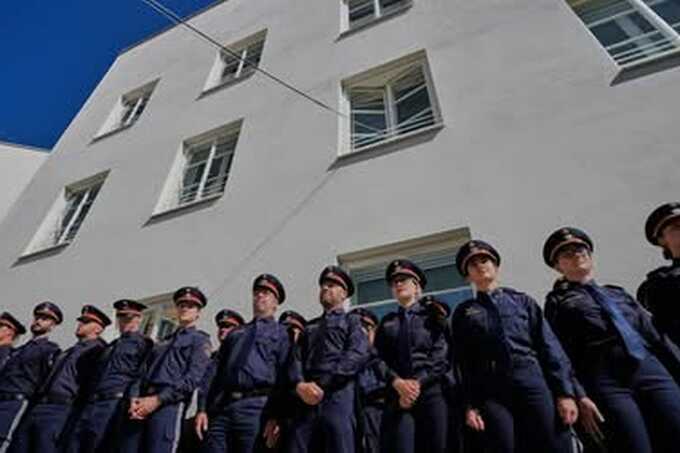
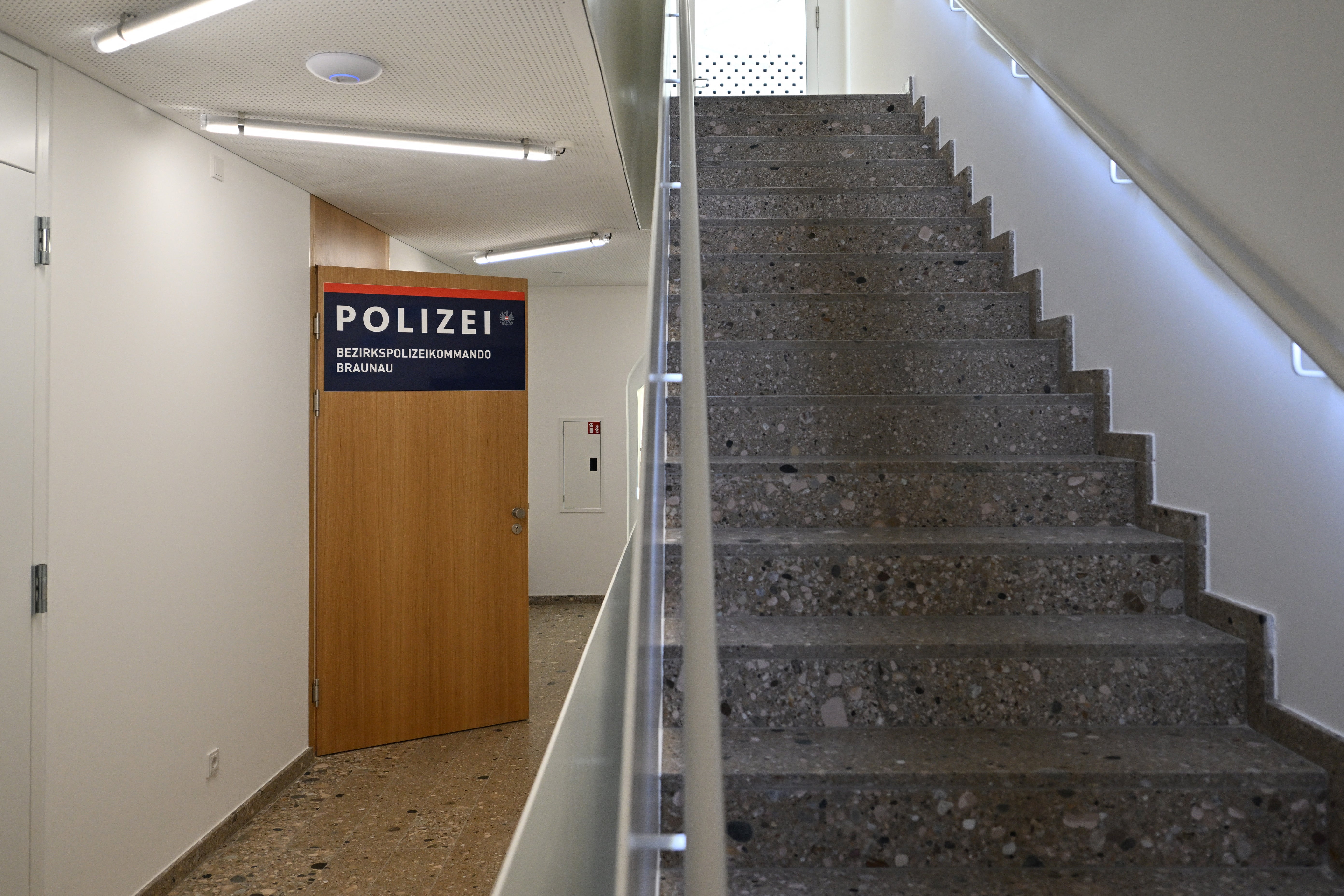
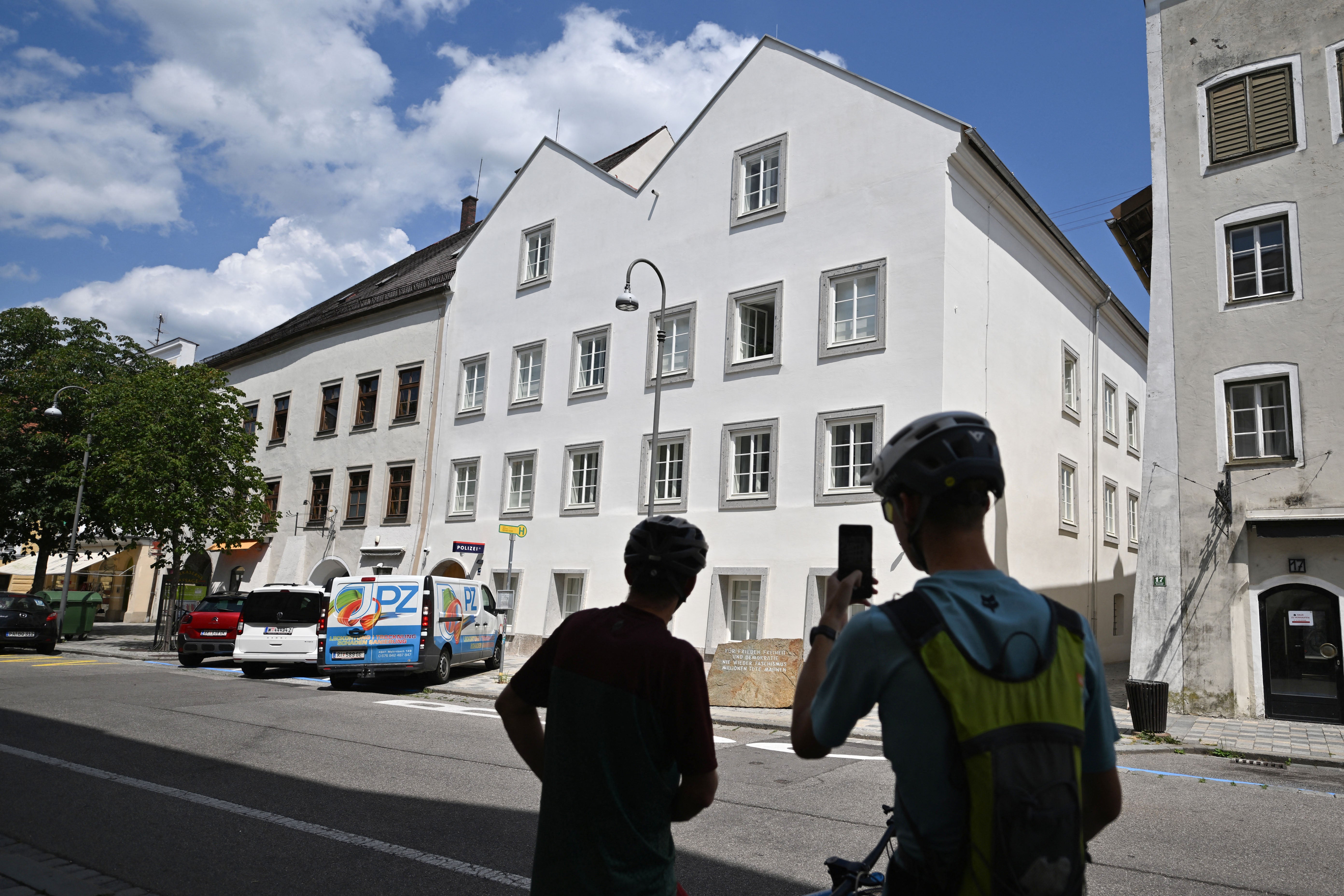
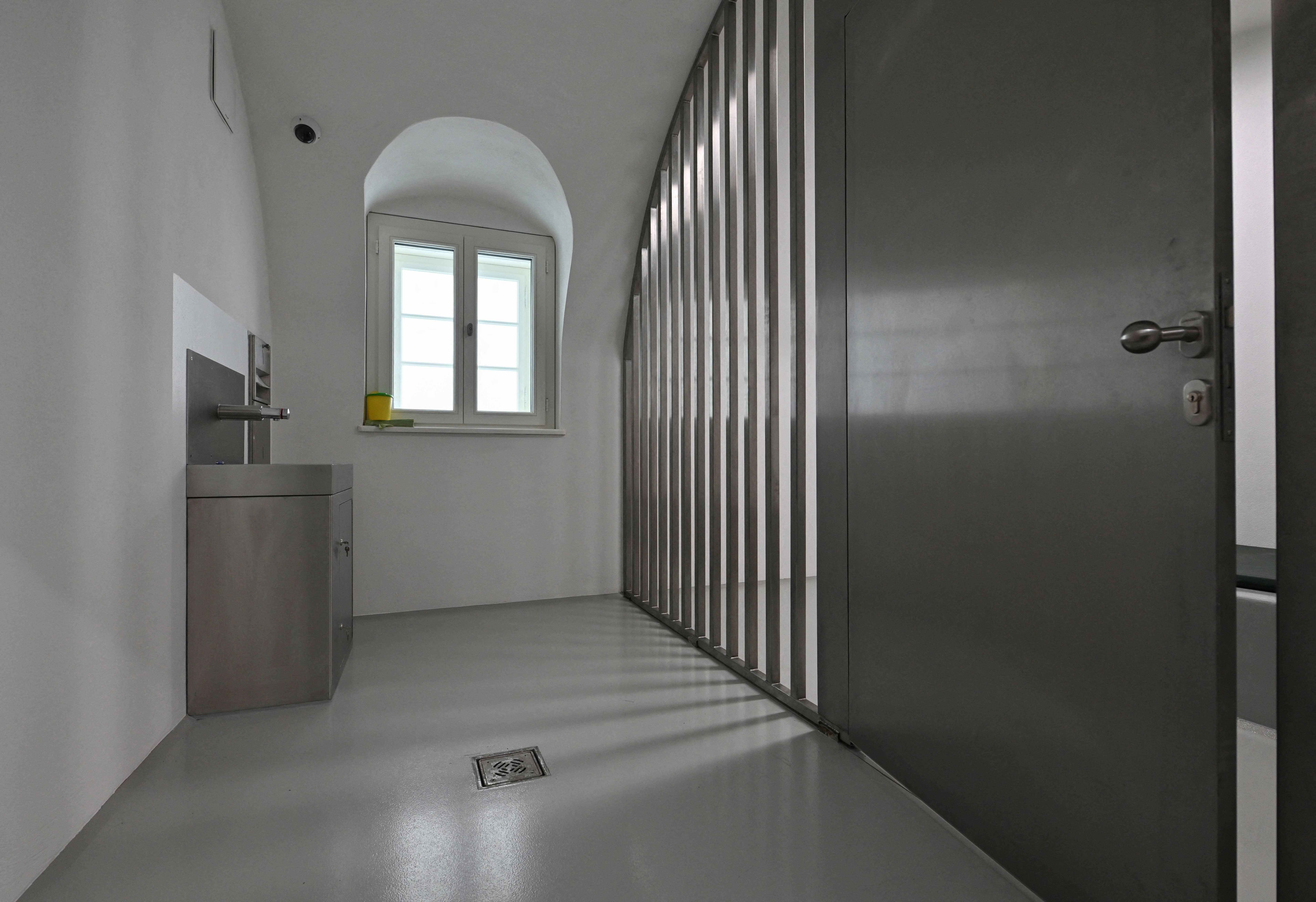
The building where Nazi leader Adolf Hitler was born in 1889 has begun its new life as a police station.
The large, terraced house, in the town of Braunau am Inn near the Austrian border with Germany, was previously in private ownership and had housed a charity for disabled people.
Austria made a compulsory purchase of the building in 2017, and two years later announced that it would be remodelled and turned into a police station.
The government hopes that the conversion will prevent neo-Nazis from making pilgrimages to the building.
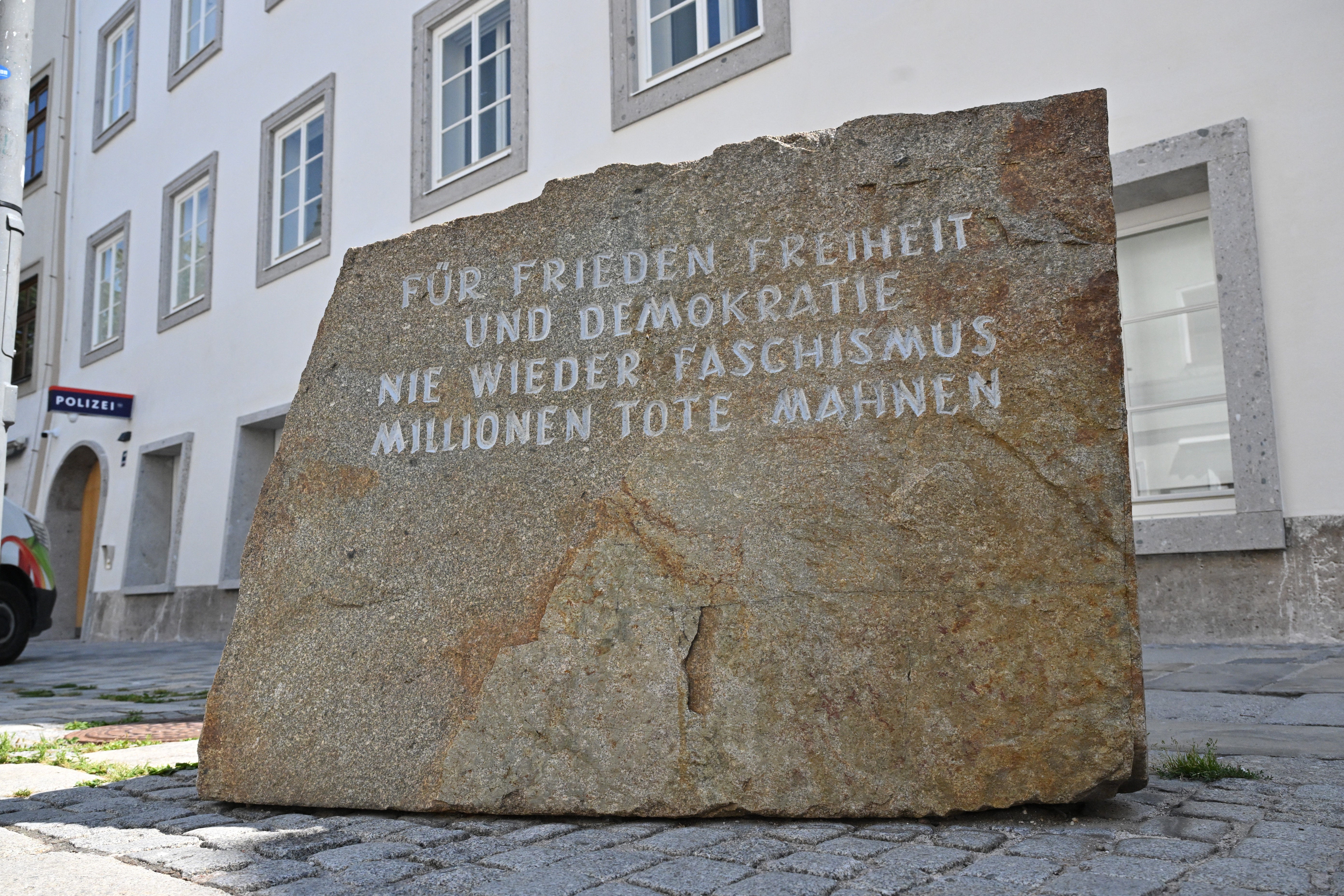
Even before the remodelling began, the only sign of the building’s historical significance was a rock on the pavement from the Mauthausen concentration camp, where between 90,000 and 120,000 people died during the Holocaust.
The rock, which remains in place, bears the inscription “Never again fascism” and does not mention Hitler.
A sign that says “Police” has been added to the building’s white facade.
“The aim was to prevent any association with Adolf Hitler, so as to strip it of that mystique,” the head of the Austrian interior ministry’s history department, Stephan Mlczoch, said.
‘Isolated incidents’
That mystique was encouraged by the Nazis’ cult of personality around Hitler, under whose rule the "Fuehrer birth house" was an art museum.
Hitler only lived there for a few weeks in 1889 before his family moved out, Mr Mlczoch said.
Passers-by often stop to take pictures, but their views on Hitler are usually not known.
Local officials said there are now only "isolated incidents" involving visitors, fewer than before.
While they did not elaborate, the Hitler salute and other Nazi symbols are banned in Austria.
Asked about the public response to the project, Mayor Johannes Waidbacher said: "I think on the whole the people of Braunau have accepted it and can live with it."
Mr Waidbacher was on a commission that recommended the building be used either for a charitable or official administrative purpose.
In the end, having a charity based there would have made it too accessible to the public, he said.
"I think it isn’t a bad approach but whether it works as we all hope and expect, we’ll have to wait and see," he said.
Opposition to the project
There has been some opposition, including from the Mauthausen Committee, Austria’s main Holocaust survivors’ group.
It has argued that a police station is an inappropriate use of the building, and that more should be done to draw attention to Hitler’s crimes.
"Every year at the Mauthausen concentration camp memorial there’s a ceremony to say: never again. And in Braunau they’re saying: let’s forget as soon as possible," said Robert Eiter of the Mauthausen Committee and the Network Against Racism and Right-Wing Extremism.
For decades, Austria argued that it was the first victim of National Socialism, having been annexed by Hitler’s Germany in 1938.
It now says that Austrians were also perpetrators, but rarely elaborates beyond that.
"The world won’t forget where the worst mass murderer in history was born. Wikipedia won’t change its entries," Mr Eiter said, adding there will be no reduction in the number of neo-Nazis making "the pilgrimage to Braunau".
Some local residents also questioned the house’s conversion.
"I would have preferred if they had done something else but it is what it is," said Irene, 74, adding that she would have wanted the charity to stay there.
Most, however, were supportive.
"It’s great and a good idea," said Thomas Spreitz, an estate agent. "Every now and then there are (neo-Nazi) groups there, and now that’s history."

Deputy Editor