09 September 2026 , 19:14
818
0
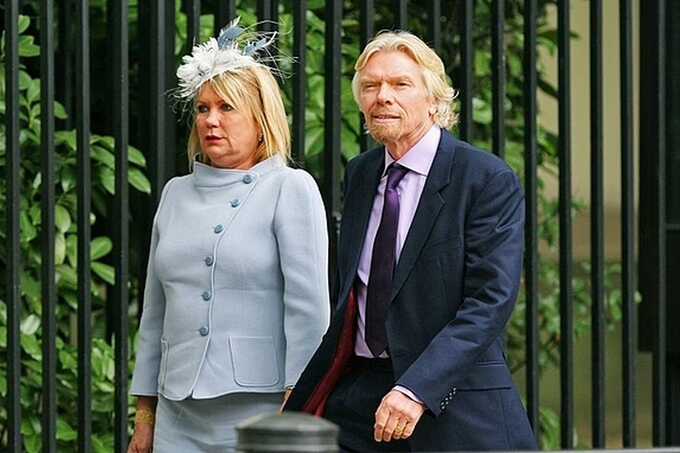
Sir Richard Branson’s wife died from an untreated blood clot by doctors, an inquest has heard. Lady Joan Sarah Drummond Branson, 80, passed away in November 2025 at The Lister Hospital. The court heard that she died following complications from a back injury she obtained as a result of a fall at the family home on Necker Island.
Joan suffered a "massive" blood clot in one of her lungs and was admitted to the hospital on November 17 following a GP referral for "persistent" pain following the fall. The court heard how she tripped over a pair of slippers by her bed and was "unable to get up", leaving her "in a lot of pain".

His wife had a history of blood clots dating back as far as 2010, and had previously taken blood clot jabs. But while she was in hospital, doctors didn’t offer her Enoxaparin injections despite her medical issues, the court heard.
Dr Nevil Pavithran, who took over Lady Branson’s care, told the inquest she should have been given anti-coagulants within 12 hours of her admission to hospital. Her daughter, Dr Holly Branson, expressed her concern at her mother’s treatment, but said she didn’t want to "attribute blame to any individual doctor."
While supporting her mother, she asked why Joan wasn’t offered the medication, adding that she "does not accept" her mum refused to take her regular medication in the hospital. Dr Branson said her mum was "accustomed to anti-coagulant (anti-blood clot) injections and never had difficulty with them."
She explained how her mum "used them extensively while flying and during previous hospital admissions" and always took the injections when advised. Dr Branson added: "The suggestion she refused Enoxaparin due to prior pain or bleeding concerns is not consistent with her usual practice or attitude."

Her daughter also said in a statement that while at her mother’s side during the first two days, Enoxaparin "was never offered". She explained: "Had I been aware she was not receiving Enoxaparin injections, I would have been very concerned given her recent long-haul travel and medical history."
She also said that Joan had not been given anti-clot stockings to wear for up to 48 hours after her admission to the hospital and had to ask nurses for some. The consultant in charge of her care told the inquest he "deeply regretted" not having prescribed her clot-busting drugs.
Dr Inaki Bovill said a VTW assessment (Venous Thromboembolism assessment) "should have been carried out" and the medication should have been prescribed when she was admitted. He went on: "Yes, it should have been done and should have been prescribed. It was a regret that it wasn’t spotted by me that evening."
The doctor, who was on duty at the Lister Hospital, was quizzed by the coroner about whether he thought she should have been on anti-coagulant medication. He accepted that it was his responsibility to prescribe the drugs and told the court that Joan should have been given the drugs.
When asked why she wasn’t, Dr Kunduzi explained that he wanted to arrange a CT scan to ensure there was no bleeding, which the medication could worsen. He added that he wrote on Joan’s records that he had not given the anti-clot drugs and believed any doctor who took over would review the decision.
Dr Kunduzi added that he now realises "the importance of communication between team members" and has now "changed" his team practice. He said the decision not to administer the anti-coagulants would live with him for the rest of his life. He told the court: "I would like to express my deepest condolences to Lady Branson’s family." The inquest continues this week.

Head of Investigations